

Gorongosa, Africa’s Most Trending National Park and Conservation Success Story
Gorongosa’s Rise as Africa’s Leading Recovery Safari Destination 2026
Gorongosa National Park has become one of Africa’s most talked about safari destinations for 2026. Once nearly destroyed during Mozambique’s civil war, the park has returned as a global symbol of ecological restoration and community driven conservation. Today it offers a wilderness rich with elephants, lions, buffalo, wild dogs, and more than 500 bird species. The floodplains, forests, and rainforest slopes of Mount Gorongosa create a uniquely diverse safari experience that feels exclusive, uncrowded, and deeply connected to nature. Tourism here drives real impact, funding education, health care, and conservation programs in surrounding communities.
For travellers seeking a safari with purpose, Gorongosa offers meaningful experiences grounded in both wildlife and people. Many visitors end their journey with a beach extension to Vilanculos, Bazaruto, or Machangulo, creating a seamless bush and beach combination that showcases the best of Mozambique.
It is also the perfect destination to combine with Mozambique’s extraordinary beaches and islands. After exhilarating game drives and walking safaris, many travelers continue their journey to Vilanculos, the Bazaruto Archipelago, or Machangulo for barefoot luxury by the Indian Ocean. Book one of our safari packages to Gorongosa followed by time on Mozambique’s tropical coast creates one of Africa’s most rewarding bush and beach holidays, where adventure and relaxation flow together seamlessly.
1
Mount Gorongosa, Coffee Forests and Community Partnerships
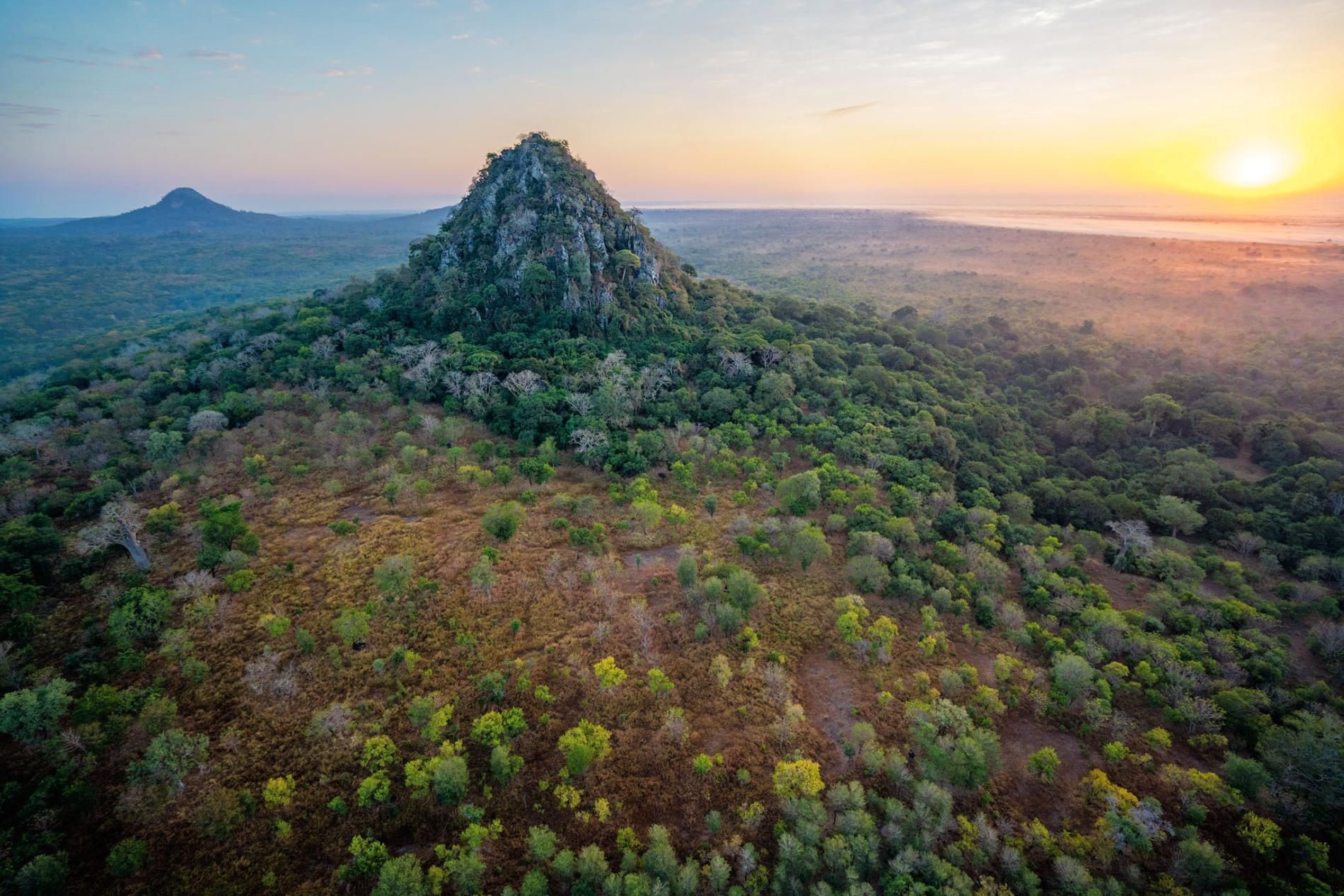
Mount Gorongosa anchors some of the most important restoration work in the region. Community led reforestation has transformed degraded slopes into thriving agroforestry landscapes, where shade grown coffee, cashew trees, and fruit crops now support local families. The Gorongosa Coffee Project has expanded steadily, with beans sold internationally and profits returning to farmers and conservation programs. New forest conservancies funded through regional partnerships teach communities about sustainable land use, watershed protection, and carbon storage. The mountain is also home to rare species found nowhere else in Mozambique. For travellers, visiting Mount Gorongosa provides insight into how reforestation, livelihoods, and ecological recovery are tightly connected.
Gorongosa means “place of danger” in the indigenous Sena or Chi-Gorongosi dialect, a reminder of the park’s wild and untamed past. Since its reopening in 1998, Gorongosa has undergone a remarkable metamorphosis, transforming from a war-ravaged landscape into one of Africa’s most inspiring conservation stories. Internationally recognized as a model of ecological recovery, it is now hailed as one of the finest safari destinations in Mozambique, drawing travelers eager to see a living example of resilience in both nature and communities.
2
Best Time to Visit Gorongosa National Park
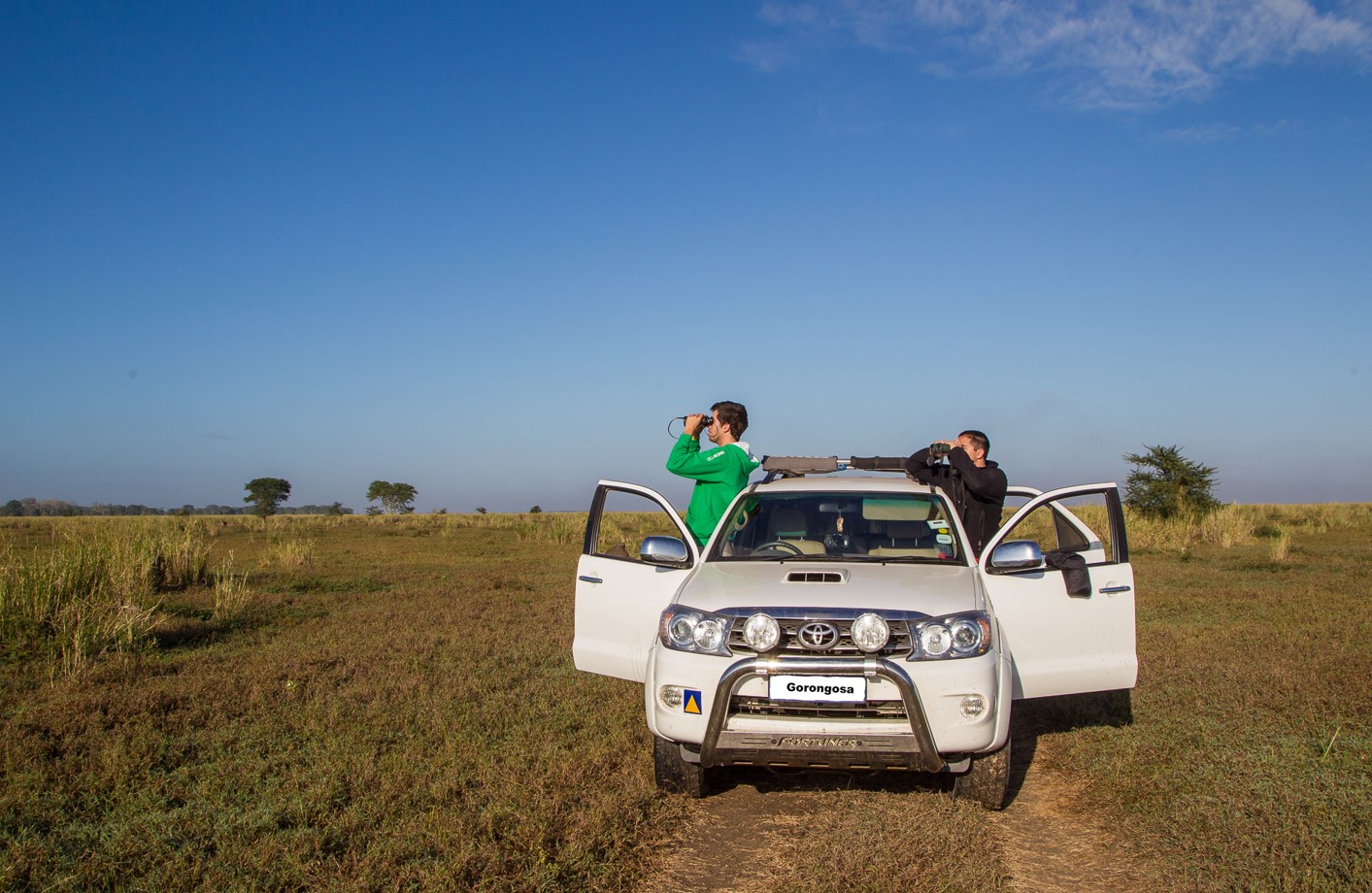
The safari season runs from mid April to November, with June and July offering peak game viewing as wildlife gathers around shrinking water sources. Throughout the dry season, travellers can expect reliable sightings of elephants, buffalo, waterbuck, and predators, along with exceptional photography conditions. The mix of floodplains, woodlands, and seasonal pans means each month feels different, allowing visitors to tailor their trip around birding, walking, or classic game drives.
Early in the season, from April through May, Lake Urema becomes a highlight with unforgettable boat safaris. Gliding across the shimmering waters provides a unique perspective of Gorongosa’s ecosystems, with dramatic views of hippos, crocodiles, and flocks of aquatic birds thriving in this vibrant wetland environment. Equally captivating is the Urema River Floodplain, a vast expanse alive with activity. Here, travelers encounter herds of waterbuck, Cape buffalo, common reedbuck, and the graceful oribi antelope moving across open grasslands.
Remember the par is closed 15 December to mid April due to flooding. Keep this in mind when planning your safari to Gorongosa.
3
The Return of African Wild Dogs to Gorongosa
Most of Gorongosa’s large carnivores were eradicated during the brutal Mozambican Civil War, leaving the park’s ecosystems severely imbalanced. Without apex predators, herbivore populations shifted unnaturally, and the intricate food web collapsed. Today, conservationists are reversing this damage through carefully managed reintroductions, and one of the most notable successes has been the return of African wild dogs.
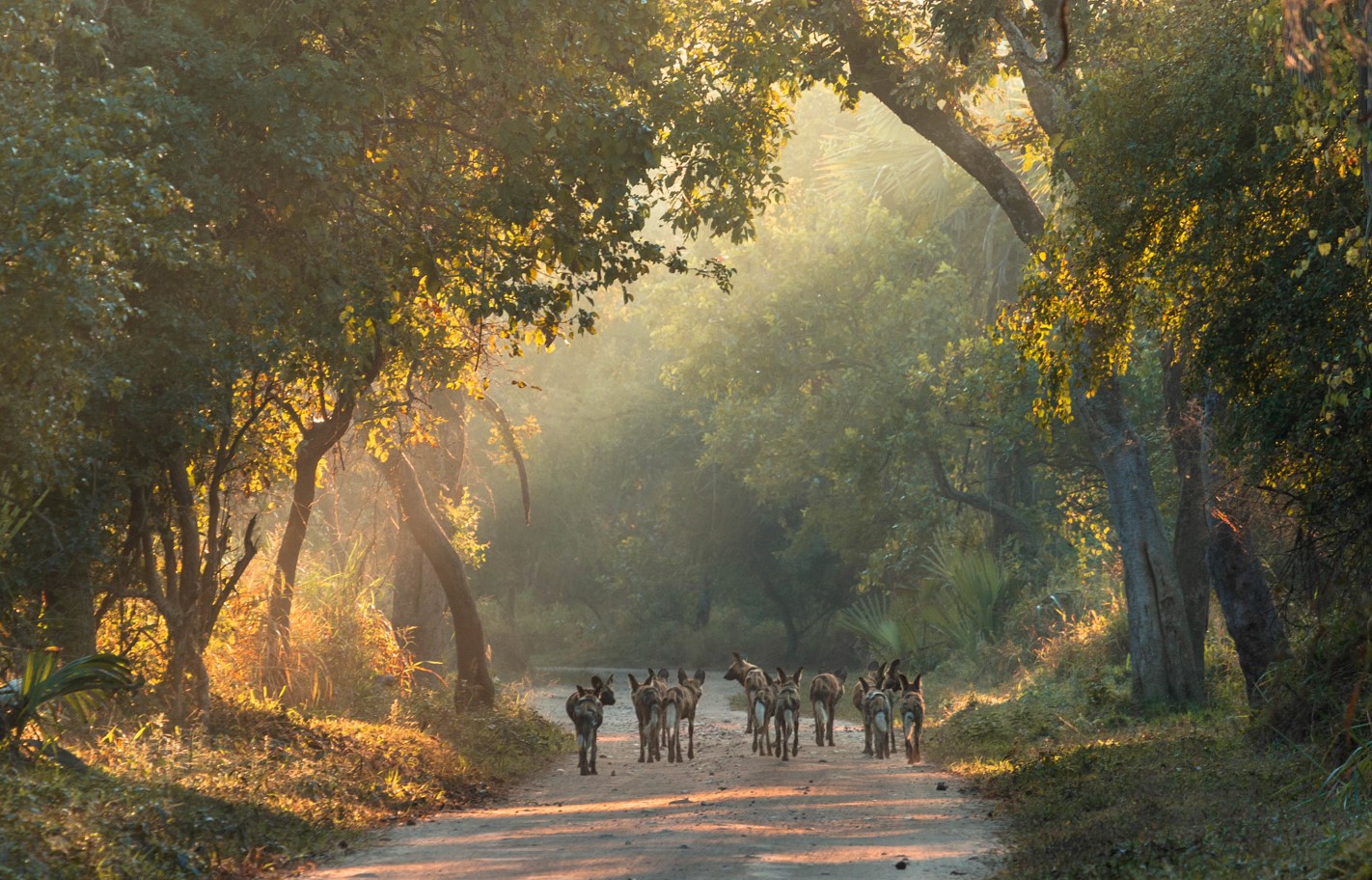
These charismatic predators, also known as painted wolves, were successfully reintroduced into Gorongosa in a groundbreaking project that continues to attract global attention. Scientists closely monitored the first releases, ensuring that the animals adapted safely without conflict with new lion populations or nearby villages. Remarkably, the wild dogs quickly established natural packs, breeding successfully in their very first season. The survival rate has reached 73 percent, with only a handful of losses due to natural causes, signaling the strength of the program.
This achievement is significant on a continental scale, marking the very first successful wild dog reintroduction in Mozambique and only the second in all of Africa. It represents not only a triumph for Gorongosa but also a blueprint for predator restoration elsewhere. The packs have not yet spread across the park’s entire 4,000 square kilometers, but as they explore further and more individuals are introduced, conservationists aim to establish a thriving, connected population that extends into the wider Gorongosa-Marromeu landscape.
For visitors on of of our safari packages to Gorongosa, seeing a pack of African wild dogs in action is one of the most thrilling safari experiences imaginable. Their highly social behavior, cooperative hunting strategies, and boundless energy make them fascinating to watch. Every sighting is also a reminder of Gorongosa’s resilience and the dedication of the scientists and rangers who are restoring one of Africa’s most threatened predators to its rightful place in the ecosystem.
4

Floodplains, Seasonal Wildlife and Birding
Gorongosa’s floodplains are among the most productive habitats in southern Africa. Waterbuck, zebra, sable, and buffalo gather in huge herds, especially during the cooler mid year months. The wetlands fed by Mount Gorongosa sustain thousands of waterbirds, including storks, cranes, openbills, pelicans, and raptors. As the season shifts, the landscape transforms from lush green grasslands to open plains with concentrated wildlife. The diversity of habitats across the park ensures that no two days feel the same and that game drives remain consistently rewarding.
5
Game Drives, Boat Trips and Ranger Guided Safaris
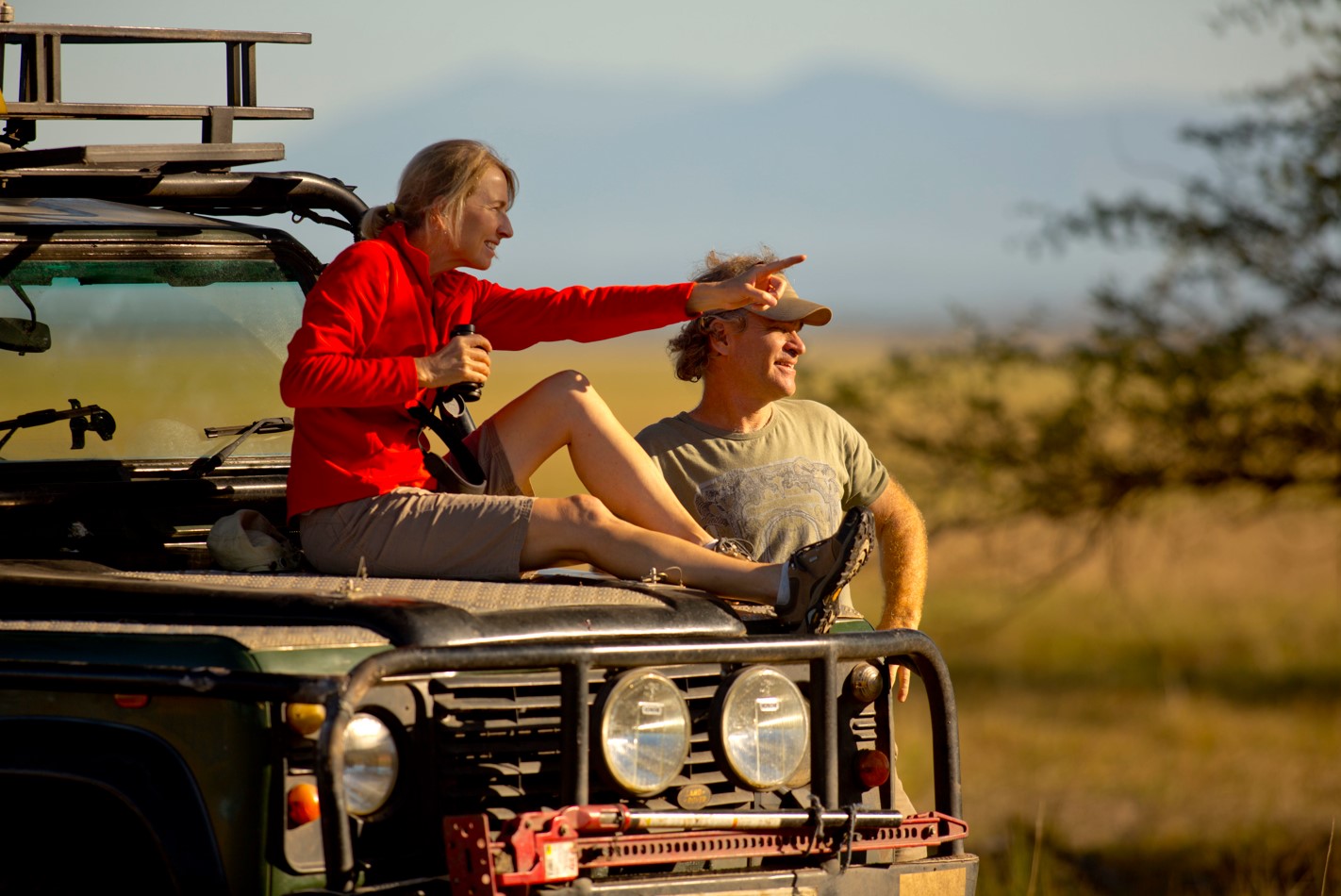
Game drives take travellers through fever tree forests, palm savannas, and wide floodplain systems where predators and large mammals move freely. Many guides come from neighbouring communities and blend traditional knowledge with formal conservation training. Boat safaris on Lake Urema remain a signature experience, with hippos, crocodiles, and vast birdlife on display. Specialist birding trips and walking excursions can be arranged for guests wanting a more immersive and educational approach. Each experience highlights how local guides and rangers safeguard the park’s wildlife and ecosystems every day.
6

Lake Urema Boat Safaris in Gorongosa National Park
Boat safaris on the shimmering blue waters of Lake Urema in Gorongosa are an unforgettable highlight for many visitors. These excursions reveal enormous flocks of water birds, giant crocodiles basking on the banks, healthy pods of hippos wallowing in the shallows, and endless scenic vistas perfect for photography. It is the only way to explore this unique watery wonder at the very heart of the national park, where the rhythms of aquatic life unfold at every turn.
Most boat safaris last between three and four hours and are led by highly trained skippers and knowledgeable game rangers. These experts provide fascinating insight into the biodiversity of Gorongosa, explaining the behaviors of hippos, the role of crocodiles in the ecosystem, and the significance of the wetland habitats for hundreds of bird species. For those who are passionate about ornithology, specialized birding cruises can last a full day, giving guests time to search for rare and seasonal migrants.
The waters and floodplains around Lake Urema are a feathered paradise, home to Grey-Crowned Cranes, storks, pelicans, flamingos, and African fish eagles. Twitchers can add new species to their life lists daily, while casual birders marvel at the sheer abundance. These Gorongosa safari holidays also provide opportunities to witness predator-prey interactions and seasonal changes in the landscape, making them one of the most diverse and rewarding activities in Gorongosa.
7
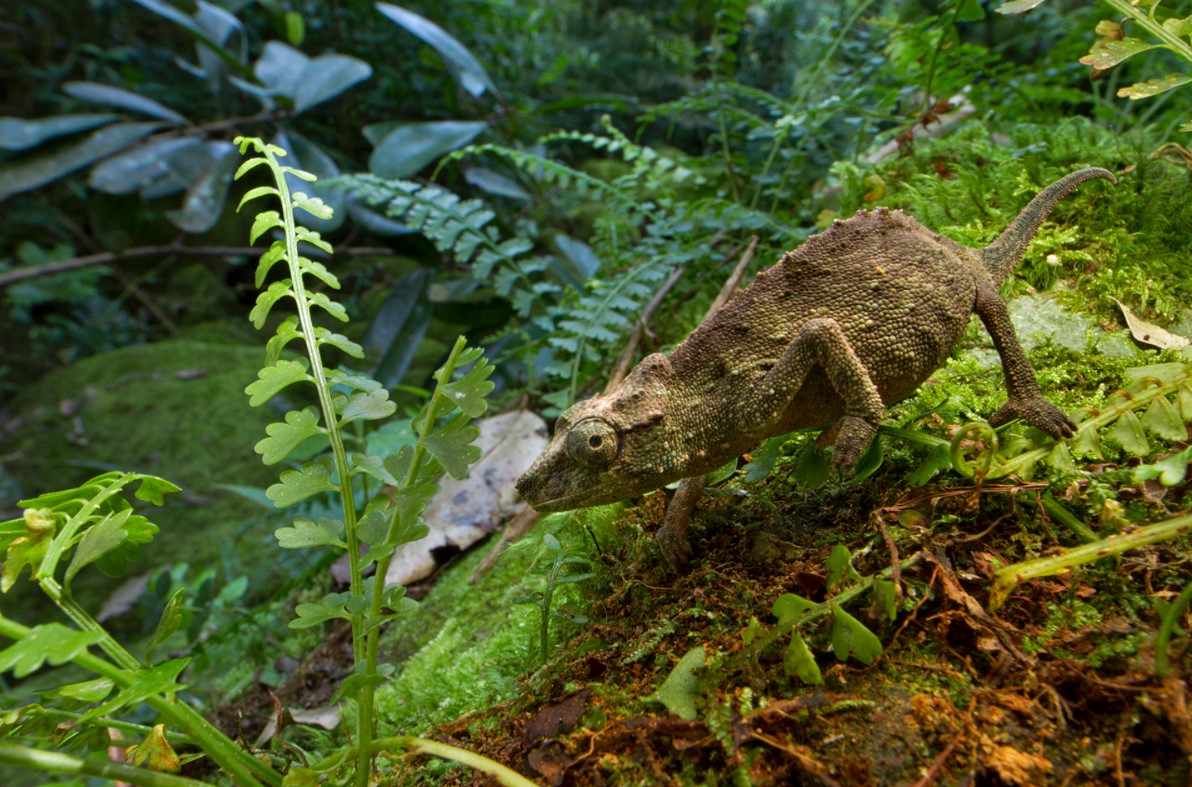
The Rare Mount Gorongosa Pygmy Chameleon
Most people are fascinated by chameleons, creatures that have inspired myths and legends across Africa. In many traditional cultures, they are associated with witchcraft and spiritual power. Some beliefs hold that witch doctors can send bad spirits through chameleons because of their ability to change color, while others say the animals can shift good fortune into misfortune, or vice versa. This mystical reputation adds to their allure, but it is their biology that truly captivates nature enthusiasts.
There are dozens of chameleon species found across Africa, yet Gorongosa National Park is home to one of the rarest: the Mount Gorongosa Pygmy Chameleon. Discovered in 1971, this tiny reptile is endemic only to this mountainous region, making it an important conservation priority. Barely the length of a human pinky finger, it scurries along the forest floor using its sticky tongue to catch unsuspecting insects. Its camouflage and miniature size make it difficult to spot, which is why sightings of this pygmy chameleon are such a special experience for visitors. For wildlife enthusiasts, encountering this rare endemic species is one of the unique highlights of exploring Gorongosa’s rich biodiversity.
8

Unique Wildlife, Endemics and Iconic Trees
Gorongosa is home to species found nowhere else, including the tiny Mount Gorongosa Pygmy Chameleon, a favourite among nature enthusiasts. Ancient baobab trees add drama to the landscape, acting as microhabitats for birds, bats, insects, and even large mammals that feed on their fruit and bark. These rare species and ancient giants embody the ecological and cultural richness that makes Gorongosa different from traditional safari destinations.
9

The Return of Buffalo to Gorongosa
In 1972, South African ecologist Ken Tinley carried out the very first aerial survey of Gorongosa in its pre-war glory. His count revealed an astonishing abundance of wildlife: roughly 14,000 buffalo, 5,500 wildebeest, 3,500 waterbuck, 3,000 zebras, 3,000 hippos, 2,200 elephants, and 500 lions roamed the park.
Seventeen years later, the devastation of Mozambique’s civil war was laid bare. Tinley returned to find a barren landscape, where no buffalo, wildebeest, or hippos remained. The surviving wildlife was reduced to a fraction of its former glory, with only 129 waterbuck, 65 zebras, and 108 elephants estimated to be left. The collapse of these populations highlighted the catastrophic impact of conflict and unchecked poaching on biodiversity.
Restoration efforts began decades later under the Gorongosa Restoration Project, spearheaded by philanthropist Greg Carr in partnership with the Mozambican government. In 2006, a milestone was achieved when 200 disease-free African buffalo were translocated from South Africa’s Kruger National Park to Gorongosa. This carefully managed initiative was a turning point for rewilding the park’s floodplains.
Today, those herds have flourished. The latest counts show that Gorongosa’s buffalo population has rebounded to well over 1,000 animals, a sign of resilience and hope. For safari travelers, witnessing buffalo once again thundering across the plains is both a thrilling experience and a reminder of how dedicated conservation can restore what was nearly lost.
10

Guides and Rangers: The Guardians of Gorongosa
Passionate guides are at the heart of every safari in Gorongosa, sharing their profound knowledge of the park’s biodiversity and revealing the intricacies of its natural environment. Visitors who book guided drives or walks quickly discover that these men and women are not just interpreters of wildlife, but storytellers who connect people to the living landscape. Guests learn about the medicinal uses of plants, the behavior of bird species, and the delicate balance between predators and prey.
Beyond guiding, Gorongosa depends heavily on its dedicated Law Enforcement team of more than 260 highly trained rangers. Entrusted with the protection of the park’s wildlife and habitats, these rangers patrol nearly 12,000 square kilometers of territory on foot, by vehicle, and with aerial support. Their work is critical: they intercept ivory smugglers, deter illegal loggers, prevent pangolin poaching, and remove countless snares and gin traps that threaten both animals and ecosystems.
Training for this team goes far beyond anti-poaching techniques. Rangers study conservation science, human rights laws, and community engagement so that they can lead by example in their own villages.
11
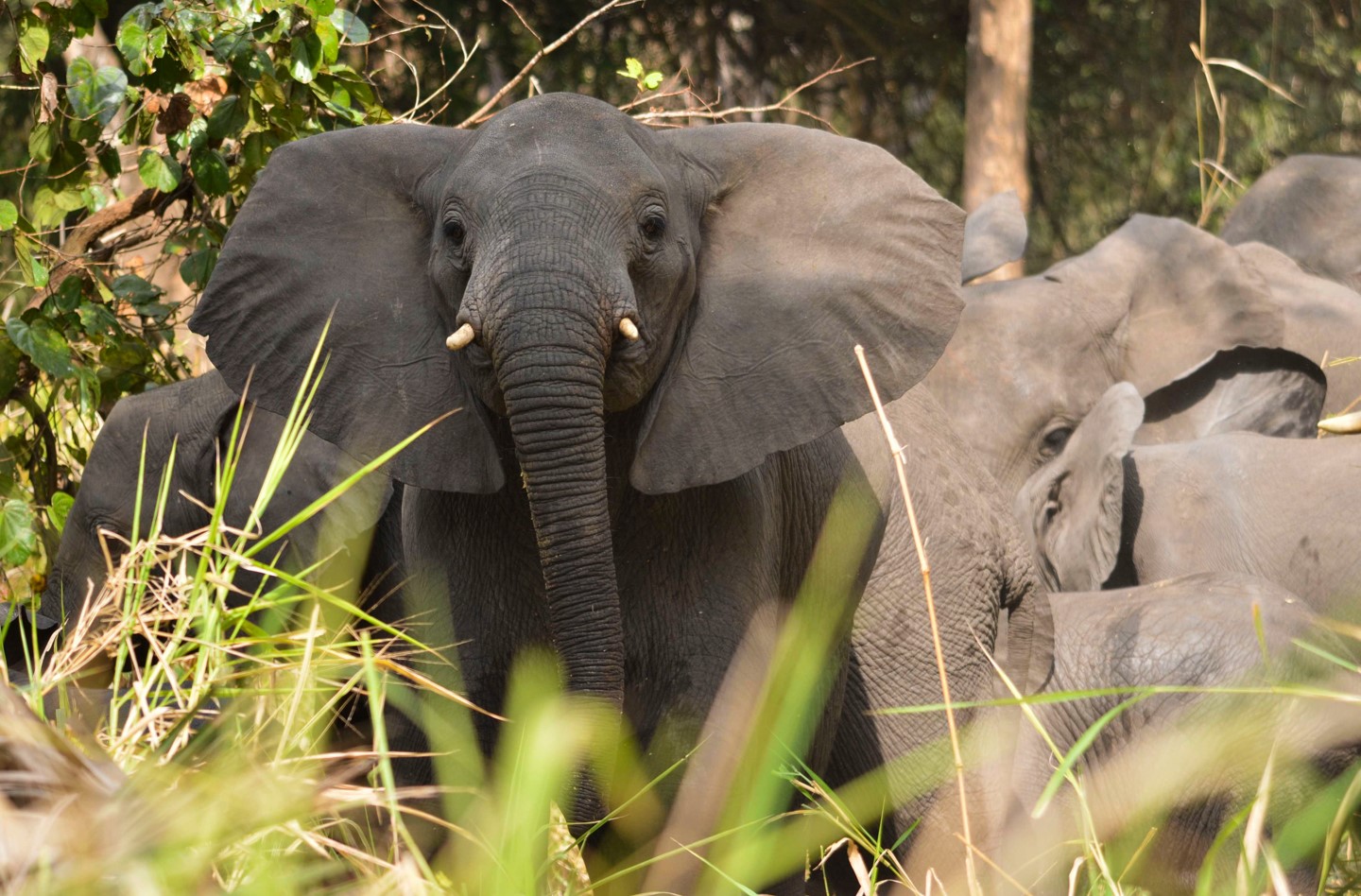
Elephants: Ecosystem Engineers of Gorongosa
The wild herds of elephants at Gorongosa are essential to the park’s ecological health. As they move through the bush, elephants push down trees, open thickets, and graze on long grasses, clearing areas that smaller species need for food and shelter. This constant reshaping of the landscape helps maintain balance in the ecosystem. To sustain their massive bodies, elephants feed for nearly 16 hours every day, consuming hundreds of kilograms of vegetation.
Their impact goes far beyond what they eat. Elephant dung is packed with nutrients, enriching the soil and fertilizing new plant growth. It also spreads the seeds of countless trees and grasses, ensuring the continuation of diverse habitats. Dung beetles thrive on this resource, recycling it further into the ecosystem. Before Mozambique’s civil war, Gorongosa’s elephant population was estimated at 2,000, but relentless poaching reduced numbers to just 108 individuals. Today, thanks to conservation efforts and protection by rangers, the herds are rebounding strongly, with recent counts revealing around 1,000 elephants once again roaming the park’s plains and forests. This recovery is one of Gorongosa’s most visible success stories.
12
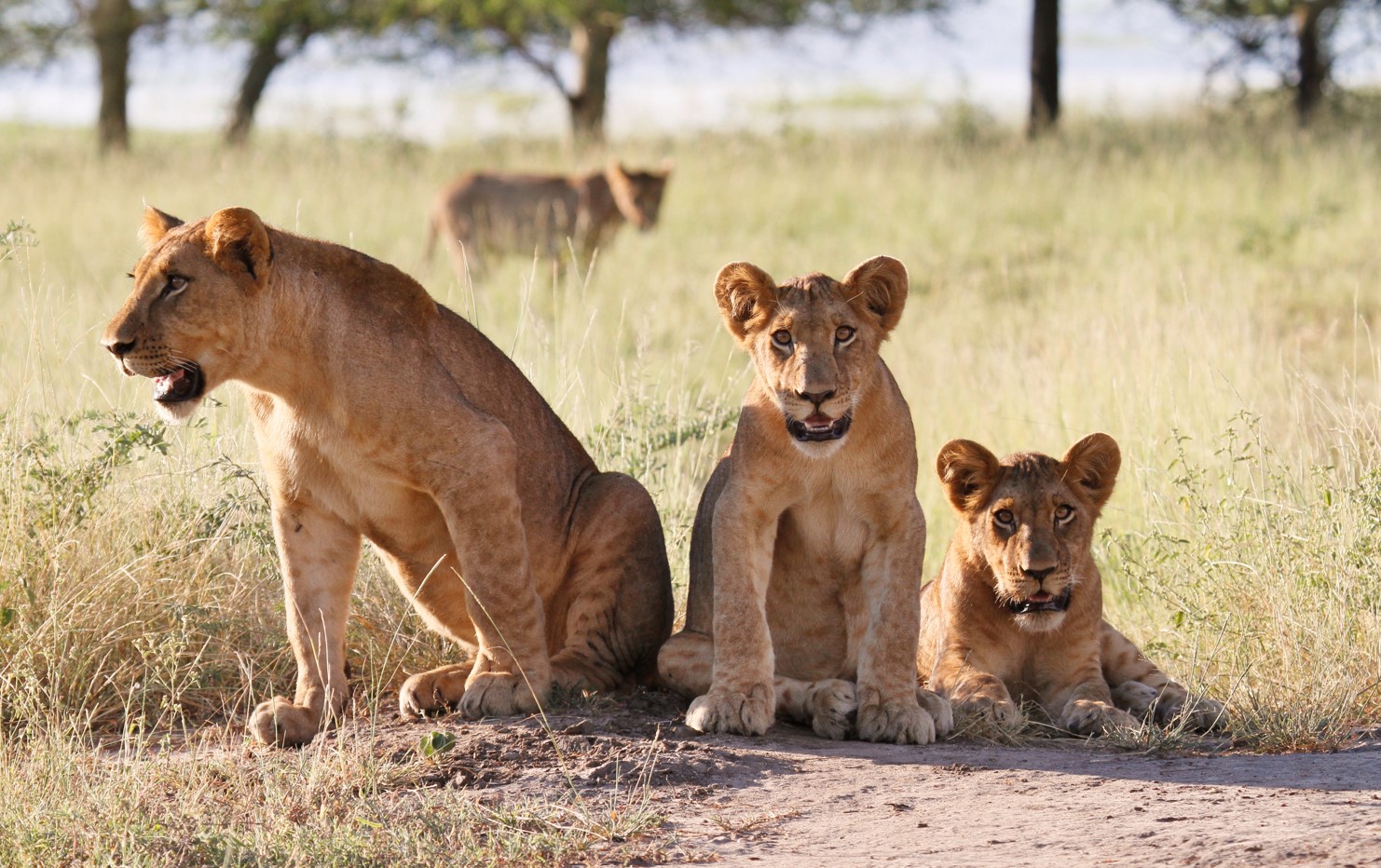
The Lions of Gorongosa
Lion densities in Gorongosa before the civil war were among the highest recorded in Africa, with around 500 individuals counted during the 1970s. This abundance reflected the park’s extraordinary biodiversity and earned it the title of “Africa’s Eden.” After years of conflict, however, only about five lions remained, many crippled by snares and struggling to survive. When Greg Carr began the Gorongosa Restoration Project, his strategy was to reintroduce herbivores first to rebuild prey numbers. This careful approach provided a foundation for the lions’ recovery, allowing their population to stabilize naturally over time.
By 2019, researchers documented 13 new males, evidence that the population was regaining strength. Today, Gorongosa is home to more than 150 lions, with numbers continuing to climb steadily thanks to ongoing protection and monitoring. Conservation programs now focus on maintaining genetic diversity, reducing human-wildlife conflict, and protecting lions from renewed threats of poaching. These apex predators are once again fulfilling their vital ecological role, helping to regulate herbivore populations and ensure balance across Gorongosa’s ecosystems. Their comeback stands as one of the park’s most powerful conservation success stories.
The Big Five Comeback in Gorongosa
Gorongosa National Park is witnessing an inspiring revival of Africa’s iconic Big Five. Elephant herds, once reduced to fewer than 110, now number around 1,000 and continue to grow. Lions, nearly extinct after the war, have rebounded to more than 150, while leopard reintroductions are restoring balance to predator populations. Buffalo, once gone completely, now roam in healthy herds after translocations from Kruger. Rhinos are still absent, but ongoing discussions raise hope for their future return. Together, these successes mark Gorongosa as one of Africa’s most remarkable examples of wildlife restoration and conservation in action.
Accommodation, Safari Packages and Bush to Beach Extensions
Travellers can choose from three main accommodation experiences. Chicari Camp offers solar powered tented suites and guided walks in a quiet seasonal area.
- Gorongosa Chicari Camp is a seasonal spot in a prime safari area boasting canvas tents complete with comfy beds, solar lighting and ensuite outdoor bathrooms. Game drives and bush trails are the highlights of safari holidays to this Gorongosa Chicari camp.
- Muzimu Tented Camp peeps out from a bend of the Mussicadzi River and comprises 6 luxury tents, raised on stilts with timber decks. Meet up at the dining, lounge and pool area on your Mozambique luxury safari itinerary.
- Montebelo Gorongosa Lodge and Safari promises chic family accommodation in select premium villas with garden views close to the central Chikalango restaurant serving delicious breakfasts.
Start your Gorongosa safari holidays with Mozambique Travel, trusted experts in African holidays for over 20 years. Our team creates tailor-made safari and beach packages, arranging flights, transfers, and accommodation so every detail is seamless. Experience wildlife, conservation, and community upliftment in Mozambique’s most inspiring park. Book now and let us design your unforgettable Gorongosa adventure with confidence and care.