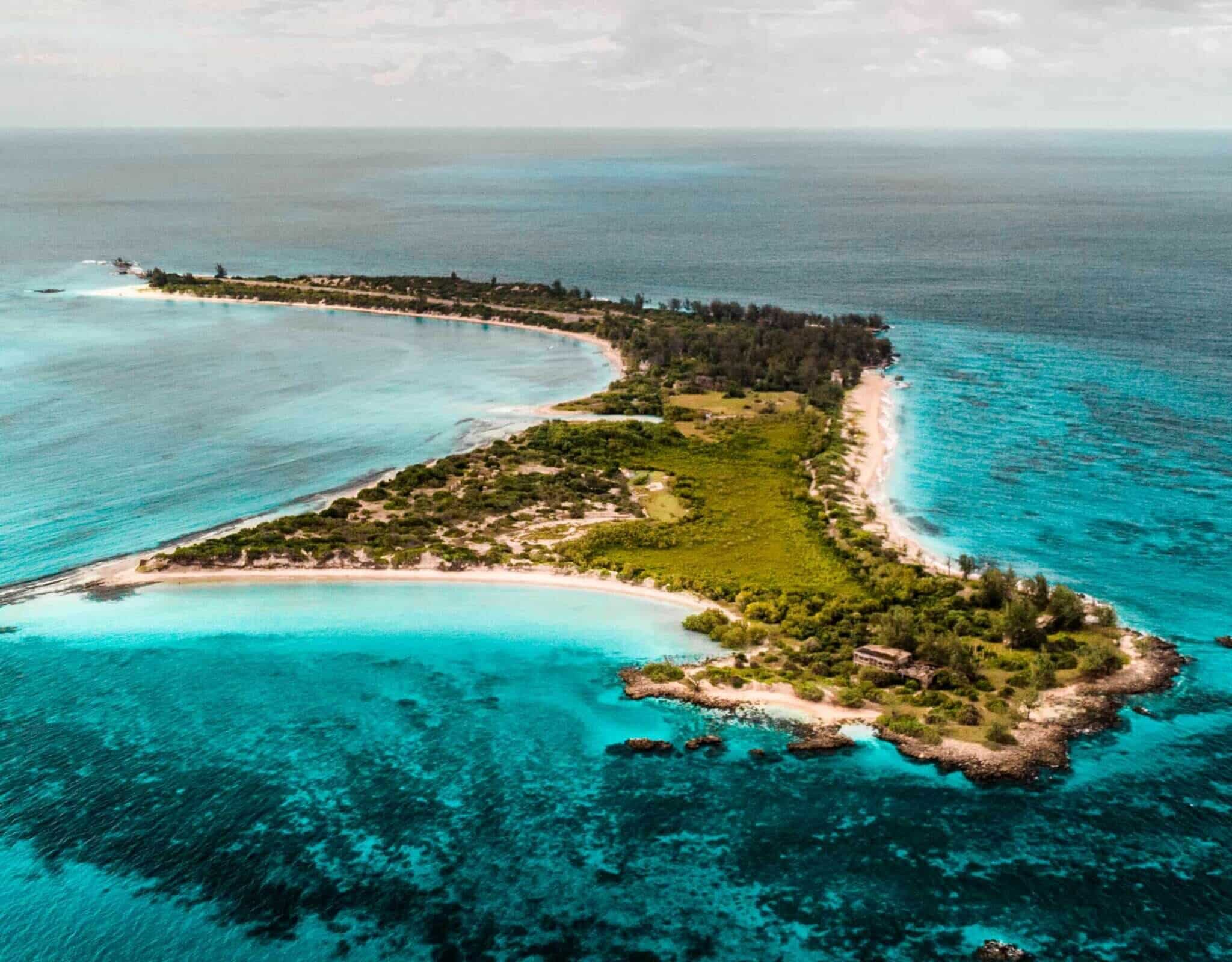
Choosing the Best Time to Visit Bazaruto Island
Choosing the right month can fundamentally shape the quality of a Bazaruto Archipelago holiday. While the islands enjoy warm, tropical conditions year round, seasonal changes play a decisive role in sea state, visibility, marine wildlife activity, wind patterns, and overall comfort. Timing affects everything from how calm the lagoons feel in the morning, to how clear the water is for snorkelling, to whether boat excursions and island hopping are smooth or weather dependent.
Some months are best suited to slow beach days, shallow water swimming, and uninterrupted relaxation. Others deliver peak underwater visibility, increased marine movement, and optimal conditions for snorkelling, diving, and photography. Wind strength, tidal cycles, and ocean temperature all shift subtly through the year, creating distinct travel windows that favour different experiences rather than a single “best” season.
Understanding Bazaruto Weather Patterns
The Bazaruto Archipelago experiences two main seasonal phases rather than extreme weather shifts. The dry season runs from May to October and is characterised by cooler daytime temperatures, lower humidity, steady sunshine, and lighter winds. These conditions create consistently calm mornings and excellent boat travel windows.
The green season runs from November to March, bringing warmer air and sea temperatures alongside short, localised tropical showers that rarely affect full day activities. Seasonal changes influence snorkelling visibility, marine wildlife behaviour, and the comfort of boat excursions. Travellers can visit Bazaruto year round, but certain months stand out for clarity, calmer seas, or heightened marine activity.
Best Months for Snorkelling and Marine Wildlife
April, May, September, and October are widely regarded as the strongest months for snorkelling visibility, with clear water and balanced conditions that suit a wide range of travellers. These months are ideal for exploring reefs around Two Mile Reef and Magaruque, where coral structure and fish density are most easily observed. Marine life remains present year round, but travellers visiting late winter and early spring often experience calmer seas and more consistent encounters with turtles, rays, dolphins, and large schools of reef fish. Dugong sightings are rare and unpredictable in every season, but lodges typically plan excursions early in the morning when water movement is minimal and marine activity levels are highest.