

Easy Self-Drive Travel to Mozambique from South Africa
How the Maputo–Katembe Bridge Changed Road Trips to Maputo
Driving from South Africa to Mozambique has quietly become one of the easiest international road trips in Southern Africa. The completion of the Maputo–Katembe Bridge and the fully tarred southern access roads has fundamentally changed how travellers reach Maputo, Ponta do Ouro, and the wider southern Mozambican coastline.
For South Africans, Maputo is no longer a complicated border crossing followed by ferries or long detours. Today, the capital is a realistic long-weekend destination, an affordable coastal break, or a natural start or finish to a broader Mozambique holiday.
Why the Maputo–Katembe Bridge Matters for Travellers
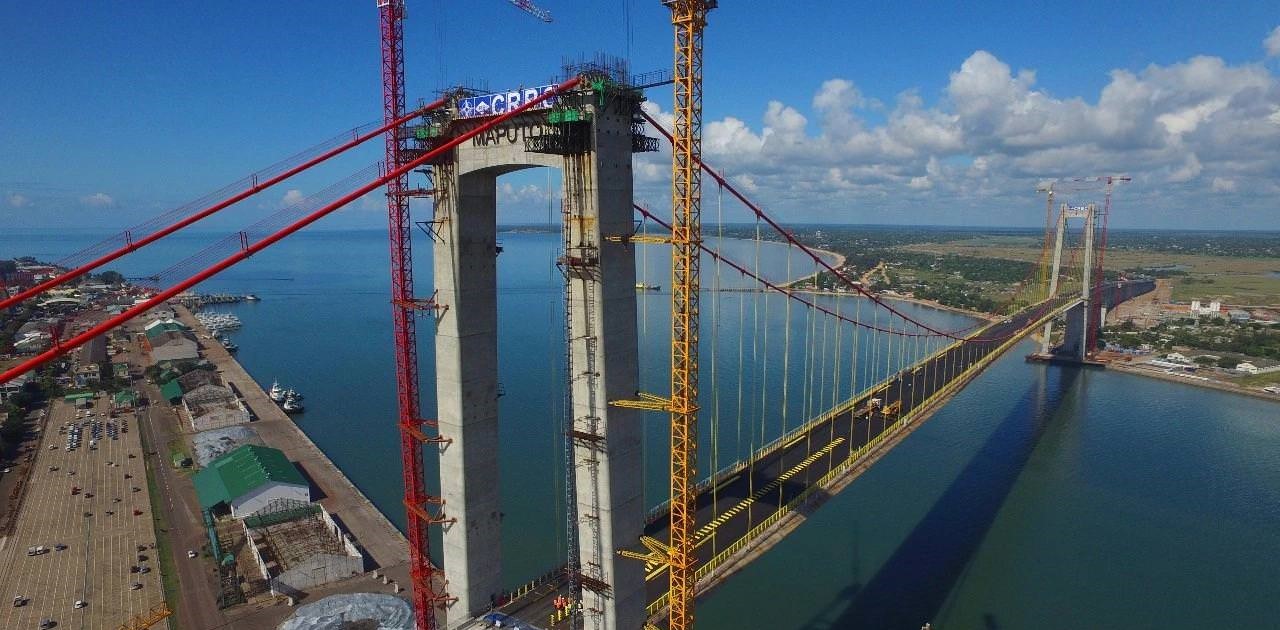
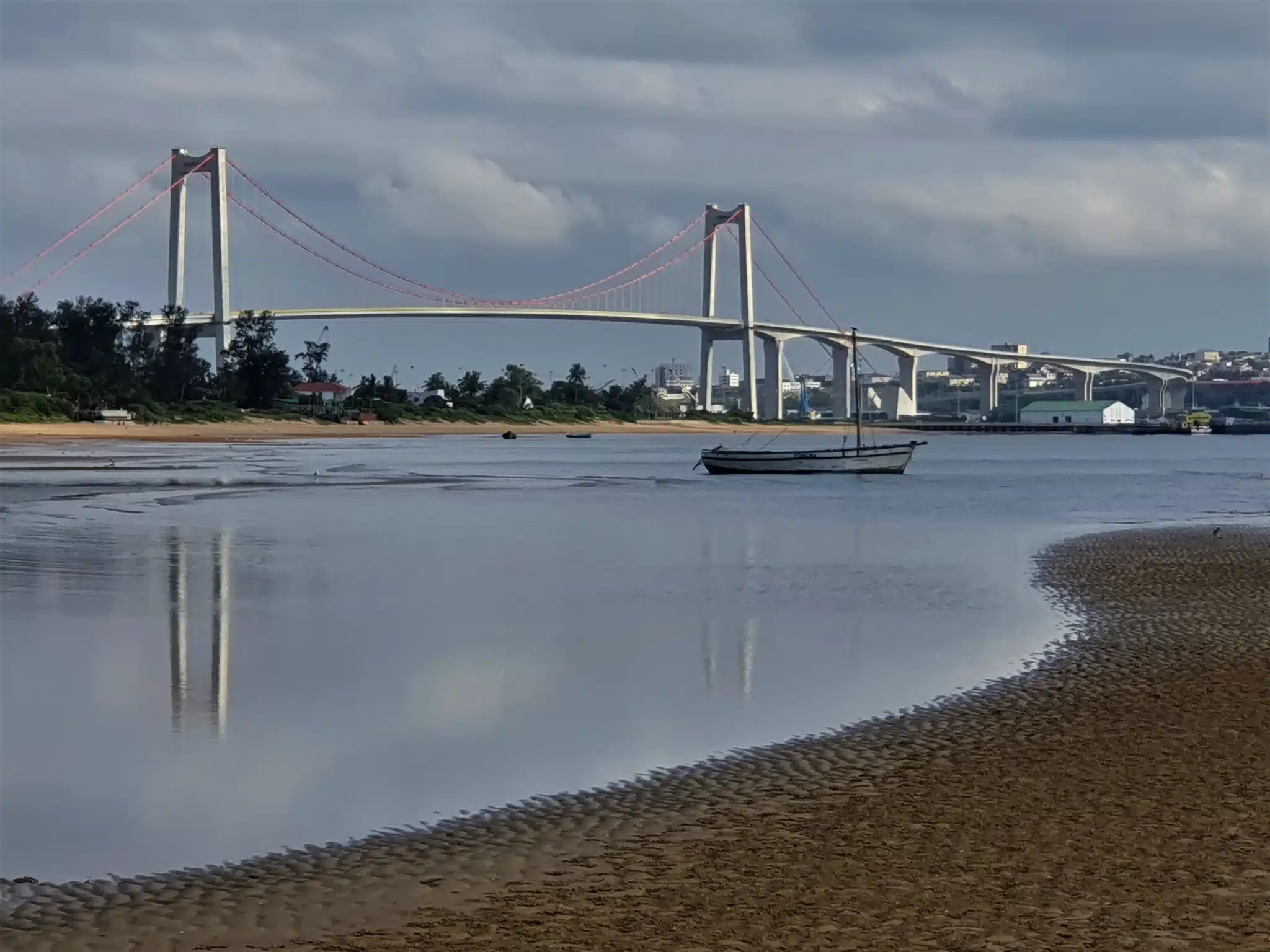
Opened in 2018, the Maputo–Katembe Bridge connects central Maputo directly to Katembe on the southern side of Maputo Bay. At just over 3 kilometres long, it replaced the slow and unreliable ferry system that once bottlenecked access to southern Mozambique.
For travellers, this means:
• no ferry queues
• no waiting schedules
• no weather disruptions
• continuous road access into the city
The bridge allows vehicles to move seamlessly from the EN1 and southern access roads straight into Maputo, dramatically reducing travel time and uncertainty.
Driving to Maputo from South Africa in 2026
Self-drive travel from South Africa to Maputo is now straightforward for standard vehicles. The most popular routes include:
• Kosi Bay Border (KwaZulu-Natal) – ideal for travellers heading to Ponta do Ouro, Ponta Mamoli, or Maputo
• Komatipoort / Lebombo Border (Mpumalanga) – common for travellers combining Kruger or Limpopo with Maputo
From the Kosi Bay border, travellers can reach central Maputo in approximately 5–6 hours, depending on border traffic. The road is fully tarred until Ponta do Ouro village. Beyond that point, coastal access roads become sandy and require a 4×4.
This has opened Maputo to:
• Durban weekend travellers
• Gauteng self-drivers
• Kruger + beach combinations
• affordable short breaks without flights
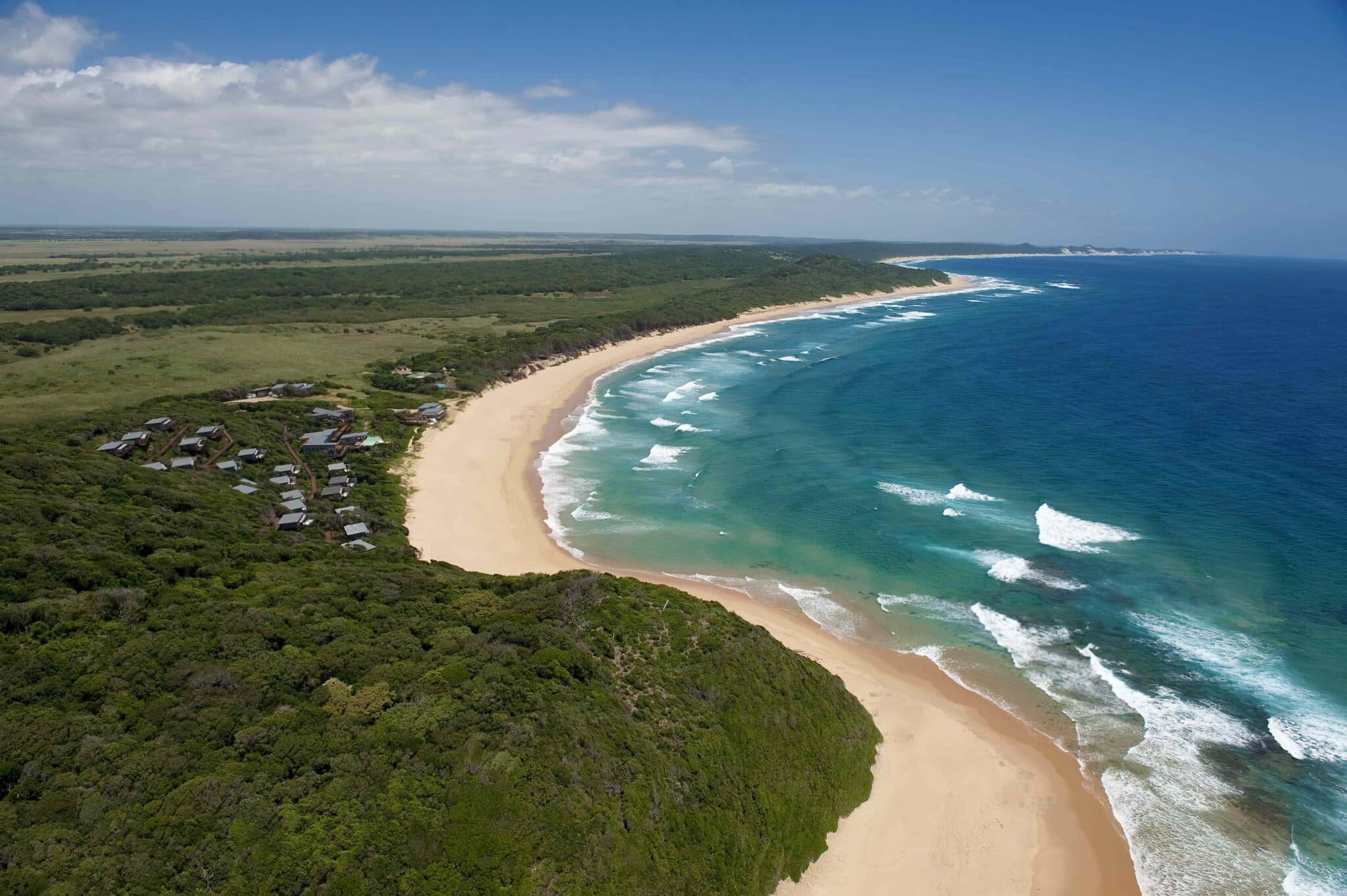
One of the unique advantages of the southern route is the ability to pass through Maputo National Park when travelling between Maputo and the coast.
This route offers:
• elephant, buffalo, hippo, and antelope sightings
• coastal dune and mangrove ecosystems
• a true bush-to-beach transition
Access inside the park requires a high-clearance 4×4 due to sandy tracks, but the experience adds significant value for travellers wanting more than a simple coastal transfer.
Weekend Road Trips from South Africa to Maputo
One of the biggest shifts since the bridge opened is how Maputo is now used by South African travellers. Instead of being a once-off destination, it has become a repeat, short-stay city break.
Typical travel patterns include:
• Thursday departure, Sunday return
• food-focused weekends
• nightlife and culture breaks
• add-on city stays before island or beach travel
Maputo’s compact size, strong dining scene, and affordable accommodation make it particularly attractive for adults, couples, and friend groups looking for something different without long-haul travel.
Accessing Ponta do Ouro, Ponta Mamoli, and the Deep South Coast
The tar road now extends south from Maputo toward the Kosi Bay border, significantly improving access to Ponta do Ouro. However, travellers should note:
• the tar road ends near Ponta do Ouro village
• onward travel to Ponta Mamoli or Ponta Malongane requires a 4×4
• beach access roads remain deep sand
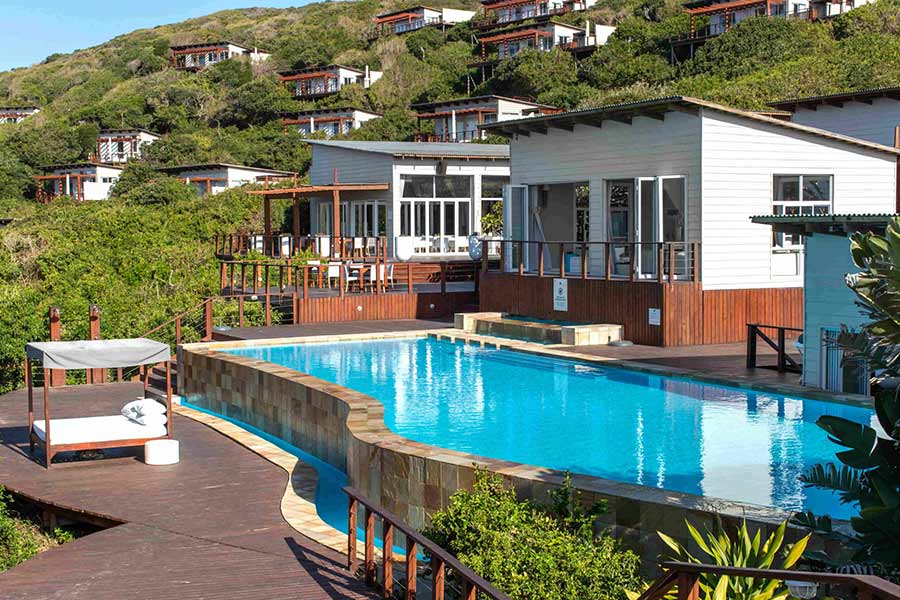
Many lodges offer park-and-transfer services, allowing travellers to leave vehicles safely near the border and transfer by 4×4 to their accommodation. This has made the region more accessible without compromising conservation areas.
Driving Through Maputo National Park on the Way South
Self-drive travel from South Africa to Maputo is now straightforward for standard vehicles. The most popular routes include:
• Kosi Bay Border (KwaZulu-Natal) – ideal for travellers heading to Ponta do Ouro, Ponta Mamoli, or Maputo
• Komatipoort / Lebombo Border (Mpumalanga) – common for travellers combining Kruger or Limpopo with Maputo
From the Kosi Bay border, travellers can reach central Maputo in approximately 5–6 hours, depending on border traffic. The road is fully tarred until Ponta do Ouro village. Beyond that point, coastal access roads become sandy and require a 4×4.
This has opened Maputo to:
• Durban weekend travellers
• Gauteng self-drivers
• Kruger + beach combinations
• affordable short breaks without flights
What Documents You Need When Driving to Mozambique
Self-drive border crossings are manageable when prepared. Travellers driving from South Africa into Mozambique should carry:
• passport valid for at least six months
• unabridged birth certificates for minors
• valid driver’s licence
• original vehicle registration papers or SAPS-certified copy
• letter of authority if the vehicle is financed or not owned
• compulsory third-party insurance certificate
• ZA sticker and reflective triangles
Border posts operate on fixed hours, typically 08:00–17:00, and travellers should plan arrivals early during peak holiday periods.
Why Road Access Has Boosted Maputo Holidays
The Maputo–Katembe Bridge has not only improved logistics, it has reshaped how travellers experience Mozambique. Lower transport costs, reduced travel stress, and flexible itineraries have made Maputo a gateway rather than an obstacle.
Travellers now use Maputo as:
• a food and culture stop before beach holidays
• a final city stay after Vilanculos or Bazaruto
• a cost-effective alternative to island-only travel
• a flexible entry point for multi-region itineraries
For 2026, this ease of access is one of Maputo’s strongest advantages over other Indian Ocean destinations.
Planning a Self-Drive Maputo Holiday
Mozambique Travel assists travellers with:
• route planning and timing advice
• accommodation selection for self-drivers
• park-and-transfer logistics
• border preparation support
• combining Maputo with beach or island stays
With proper planning, driving to Maputo from South Africa is no longer an adventure of uncertainty, but one of the most efficient ways to experience Mozambique’s capital and southern coastline.
Visiting Maputo National Park by Road: What to Expect and How to Access It
Visiting Maputo National Park has become one of the most rewarding add-ons for travellers driving into southern Mozambique, especially those entering via the Maputo–Katembe Bridge or the Kosi Bay border. Located roughly 80 kilometres south of Maputo city, the park protects a rare meeting point of coastal dunes, mangrove systems, freshwater lakes, and savanna woodland. Wildlife sightings commonly include elephants, giraffe, zebra, hippo, crocodile, antelope species, and prolific birdlife. Access rules matter. Visitors in 2WD vehicles can enter the park but must leave their vehicles at designated gate areas and explore via guided game drives or lodge transfers. This option suits travellers short on time or those unfamiliar with sand driving. 4WD vehicles with high clearance are essential for self-driving deeper into the park, as most internal tracks consist of soft sand, uneven surfaces, and seasonal water crossings. Tyre deflation is mandatory, and recovery equipment is strongly advised.
The park strictly limits vehicle numbers, creating a quiet, uncrowded safari experience that feels far removed from urban Maputo despite the short distance. Travellers combining Maputo National Park with coastal destinations such as Ponta do Ouro or Santa Maria benefit from the natural transition from bush to beach within a single region. Importantly, quad bikes, jet skis, and off-road recreational vehicles are prohibited, preserving the park’s fragile ecosystems. Whether visited as a half-day excursion from Maputo or as part of a multi-night bush-and-beach itinerary, Maputo National Park adds genuine conservation value and wildlife depth to a southern Mozambique journey, provided travellers plan vehicle choice, timing, and access realistically.
Driving Safely in Mozambique as a Self-Drive Traveller
Driving in Mozambique is straightforward when travellers understand local road rules and conditions, particularly when entering from South Africa and travelling around Maputo, Katembe, and Maputo National Park. Main routes in southern Mozambique are tarred and generally well maintained, including the Maputo–Katembe Bridge and roads leading into the city. Speed limits are strictly enforced, often with handheld or older radar equipment, so driving slightly below posted limits is advised, especially in towns and near checkpoints. Roadblocks are common but routine, typically focused on documentation rather than fines. Drivers should always carry passports, driver’s licences, vehicle registration papers or certified copies, and third-party insurance.
Night driving outside central Maputo is discouraged due to livestock, pedestrians, and poor lighting. Daytime traffic is calm but unpredictable, with minibus taxis stopping frequently, making defensive driving essential. Fuel is readily available along main routes but limited in rural areas, so refuelling early is recommended. Conditions change quickly once leaving tar roads, particularly toward Maputo National Park and southern coastal areas, where deep sand and seasonal flooding are common. Tyre pressure reduction is essential, and drivers unfamiliar with sand driving should avoid off-road routes without support.
Read Practical Mozambique Travel Safety Article here.
Plan Your Trip: Self-Drive Mozambique with Local Support
A successful self-drive holiday in Mozambique depends less on confidence and more on preparation. Mozambique Travel helps travellers plan realistic routes, border timings, vehicle suitability, and accommodation placement to ensure driving remains an asset rather than a risk. We advise on which routes are best for 2WD vehicles, where 4WD is essential, and when transfers or guided access make more sense. For travellers entering via South Africa, we coordinate border advice, insurance requirements, and road updates before departure. In Maputo, we help align accommodation with parking, secure access, and location convenience, particularly for travellers planning city stays combined with Maputo National Park or southern beach destinations.
For those visiting Maputo National Park, we advise whether self-drive access is appropriate or if vehicle handover at the gate with lodge transfers is the smarter option. Our itineraries balance driving distances with rest days, wildlife access, and coastal recovery time. Importantly, our support does not end once you cross the border. We remain available during travel to assist with route changes, weather impacts, or logistical questions. Whether you are planning a weekend road trip from South Africa, a bush-and-beach itinerary, or a longer Mozambique journey, Mozambique Travel removes uncertainty while preserving the freedom that makes self-drive holidays so appealing. Plan with local experts who understand Mozambique’s roads, rules, and realities, so your journey feels confident from the first kilometre.