

Gorongosa Coffee and Forest Restoration: A 2025 Conservation Success Story
Conservation Through Coffee
Coffee has become one of the most powerful conservation tools on Mount Gorongosa, where restored rainforests and sustainable farming now work together to safeguard biodiversity. Few people realise how deeply coffee has shaped the recovery of this magnificent massif overlooking Gorongosa National Park. Its fertile volcanic soils once supported rich forests that declined through decades of war, displacement, and unsustainable agriculture. Today, coffee farming and forest regeneration are rebuilding both ecosystems and livelihoods, proving that conservation can uplift entire communities.
Farmers now grow shade-grown Arabica beneath restored tree canopies, creating a productive landscape where wildlife and agriculture coexist. This integrated model provides stable income, reduces reliance on slash-and-burn farming, and supports schools, clinics, and ranger training through each bag of coffee sold. Replanting indigenous trees alongside coffee improves soil, protects watersheds, and rebuilds habitat for birds, insects, and primates. Visitors to Gorongosa can walk these plantations, meet farmers, and taste the coffee reshaping the mountain’s future. Mount Gorongosa stands as a living example of conservation and enterprise working hand in hand.
2025 Coffee & Community Advances on Mount Gorongosa
In 2025, Gorongosa coffee reached a new stage of technical growth, driven by significant upgrades in processing infrastructure across the mountain. Three newly built wet-mill stations now serve farming clusters in Tambarara, Vunduzi, and Nhanguco, giving growers reliable access to clean pulping, fermentation tanks, and improved water management. A modern dry-mill facility was also installed, complete with advanced hullers, graders, and density tables that dramatically improve bean uniformity and traceability. These enhancements ensure coffee can consistently meet international specialty standards, while transparent weighing and payment systems boost farmer confidence. The 2025 season highlighted how better equipment, training, and quality control are strengthening both incomes and conservation outcomes.

Expanded Farmer Support and Climate-Resilient Planting in 2025
The year 2025 also brought new advances in climate resilience on Mount Gorongosa. Agronomy teams introduced improved shade-tree combinations that help buffer rising temperatures and retain moisture across steep slopes. Farmers received updated training on pruning, mulching, soil regeneration, and intercropping coffee with bananas, pineapples, and nitrogen-fixing legumes to protect yields against erratic rainfall. A pilot program on climate-smart nurseries produced hardier seedlings for both coffee plants and indigenous forest trees, increasing survival rates during dry periods. These developments show how Gorongosa coffee continues to adapt to environmental pressures, combining ecological restoration with agricultural security for thousands of families.
Gorongosa’s Unique Ecosystem and the Story of Mount Gorongosa
Mount Gorongosa bridges two worlds: the warm savannas of the national park below and the cool, mist-covered rainforests on its slopes. This rare blend of habitats creates conditions for exclusive species found nowhere else on Earth. Visitors can explore open floodplains on safari, then ascend into dense green forests alive with waterfalls, orchids, and endemic birds. The mountain also holds cultural importance, sustaining communities that have weathered decades of conflict and displacement.
The Gorongosa Restoration Project began two decades ago, rebuilding wildlife populations, supporting communities, and protecting watersheds that feed the plains below. Today, Mount Gorongosa remains central to this renewal, where forest health and coffee production rise together.
Mount Gorongosa Coffee and the Communities Behind It
The revival of Mount Gorongosa is driven by local farmers who plant indigenous tree saplings each morning, guided by project leader Pedro Muagura. Coffee and forest restoration offer families meaningful alternatives to resource depletion, helping them maintain food security while protecting the mountain. Established in 2014, the Gorongosa Coffee Project began in the township of Canda and has expanded into multiple districts, engaging thousands of growers. Gone are the days of separating communities from conservation. Gorongosa now follows a rights-based model where people are partners in managing land, forests, and water.

Gone are the days of the old-fashioned “fortress conservation” paradigm that historically led to the isolation of communities from nature reserves and tourists. Instead, this reserve is a human rights national park where men and women are included in the management of natural resources and biodiversity conservation, as a way to strengthen their own futures. If the land belongs to the people, the people need to manage it holistically for the water, soils, plants, animals and their own needs.

Mount Gorongosa Coffee Project and Forest Conservation
Shade-grown coffee has become a cornerstone of forest revival. Farmers have planted hundreds of thousands of trees, including 250,000 indigenous saplings, helping reduce erosion, stabilise soils, and create habitat for endemic species. Complementary programs distribute eco-efficient cookstoves to reduce firewood use, while coffee profits are reinvested into schools, health programs, and agricultural training. Specialty buyers value Gorongosa coffee for its quality and its conservation mission, giving small-scale growers reliable income rooted in sustainable practices.

The History of Rebirth of Mount Gorongosa
The rebirth of Mount Gorongosa began when warden Pedro Muagura secretly planted the first coffee seedlings surrounded by fast-growing indigenous trees. His vision was to replace war-scarred slopes with restored forests that would protect the watershed and support a new local economy. The mountain had been heavily damaged during the civil war years, but reforestation now restores water, shade, and wildlife habitat. Community-led agriculture continues to expand, guided by ecological principles that emphasise soil health and long-term sustainability.
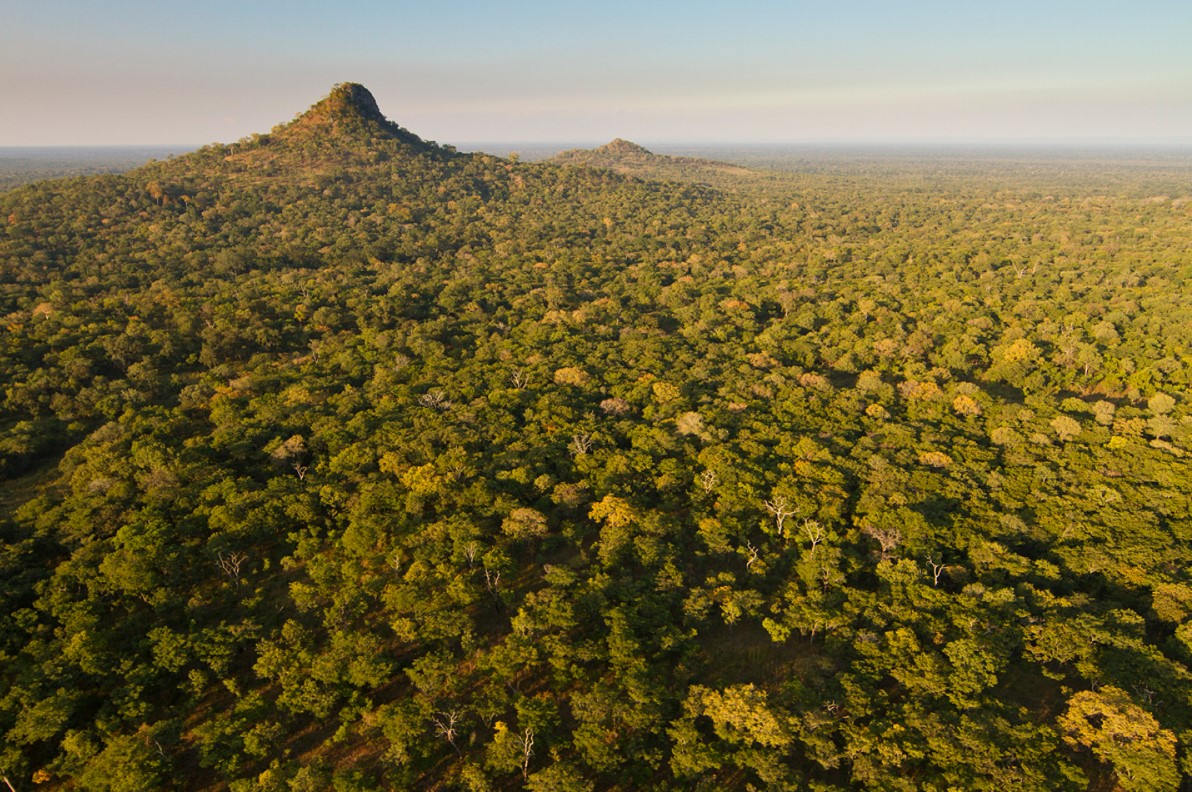
Community Coffee Farmers Driving Conservation in Gorongosa
Gorongosa families are now central to conservation outcomes. By planting coffee and trees, they restore forests while building sustainable livelihoods. Farmers like Manuel demonstrate the project’s impact: expanding their farms, hiring workers, and supporting children’s education through coffee income. These stories show how conservation through coffee reshapes entire communities, creating stability where once there was vulnerability.
Changing Lives With Gorongosa Coffee
Since its launch, communities around Mount Gorongosa have planted more than 260,000 coffee trees and tens of thousands of indigenous trees. Annual harvests continue to grow, and women now make up a significant portion of the producers. Coffee sales support reforestation, education, and conservation, proving that landscape restoration can succeed when local people benefit directly from the land they protect.

Gorongosa National Park stands as a beacon of sustainable prosperity, employing around 1,500 people from the local community. Various job opportunities include maintenance and game-ranging, anti-poaching teams, cutting-edge research, and ecotourism posts. All coffee profits are ploughed back into the farmers’ pockets and other eco-farming endeavours include honey harvesting and cashew nut trees.
The bottom line is that people need to eat and as the population grows, so Mount Gorongosa farming projects need to expand, as long as they are in accordance with the way of the Earth. The community is dedicated to its coffee plantations, and even during the terrible war years between 2013 and 2018, the village women ventured out during moments of respite from gunfire, nurturing the coffee bushes and sustaining the project’s vitality.

By safeguarding their indigenous forests, communities could offset climate-changing carbon dioxide, fostering a mutually beneficial relationship and the next step is carbon credits, holding the potential to transform conservation efforts into a source of income for communities.
The Amazing Biodiversity of Mount Gorongosa
Mount Gorongosa is home to extraordinary biodiversity shaped by Afromontane meadows, rainforest pockets, and unique climate patterns. The region hosts rare species such as the Greenheaded Oriole, the Greater Double-Collared Sunbird, and numerous endemic plants and insects. Historically, forest cover declined significantly due to agriculture and conflict, but restoration efforts are reversing these trends. Birds, pollinators, and soil organisms are returning, strengthening ecological balance and helping sustain both coffee and forest systems.
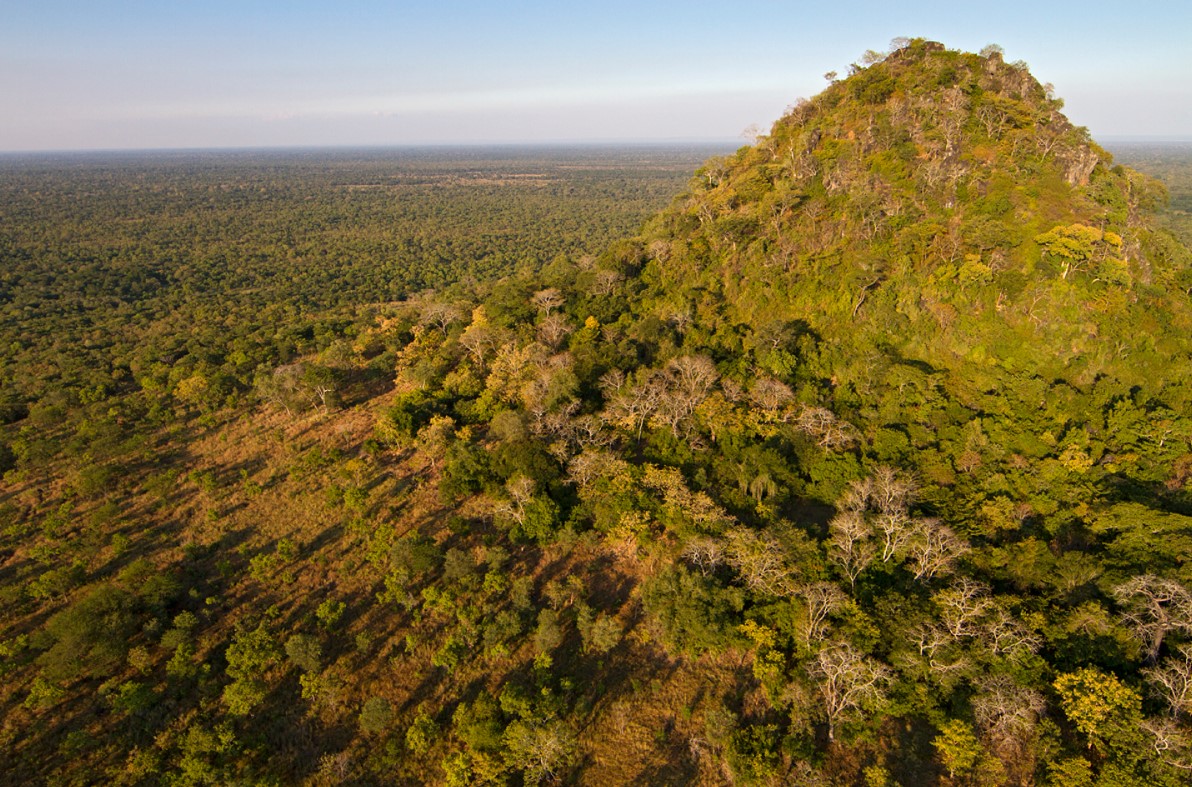
Way back in the 1970s, the lush forest coverage of Gorongosa Mountain spanned a staggering 14,193 ha but a staggering 32.23% of the forest succumbed to slash-and-burn agriculture, habitat fragmentation from local population pressures, and the lingering impacts of the civil strife that gripped the nation from 1976 to 1992. This led to an alarming reduction in biodiversity, ending in the tragic loss of the once-thriving wildlife.
Gorongosa National Park commenced a groundbreaking initiative focused on cultivating shade-grown coffee using indigenous forest species. Today, Mount Gorongosa is a haven of endemism, a sanctuary that shelters various exclusive species. Two rare birds are only found here: the Greater Double-Collared Sunbird (Cinnyris afer amicorum) and the Greenheaded Oriole (Oriolus chlorocephalus speculifer).
Support Gorongosa Coffee and Conservation with Mozambique Travel
Gorongosa’s coffee story demonstrates how community-led farming and ecological restoration can thrive together. When you book your safari with Mozambique Travel, you help sustain the programs that protect forests, support farmers, and restore ecosystems. Visit Mount Gorongosa to explore plantations, meet growers, and experience the landscapes revitalised through coffee. Pair your visit with a safari in the national park and a beach retreat on Mozambique’s coast for a meaningful journey that supports conservation and communities. With more than 20 years of expertise, Mozambique Travel ensures seamless planning and knowledgeable support for your adventure.