

Gorongosa Walking Safaris 2026
Why Walking Safaris Matter in Gorongosa
Gorongosa walking safaris in 2026 offer one of the most immersive ways to experience this extraordinary national park. Unlike traditional game drives, walking safaris slow the pace and shift the focus from sightings alone to understanding how the ecosystem functions. On foot, travellers engage with the landscape at ground level, noticing tracks, plant life, bird calls, insects, and subtle animal behaviour that is often missed from a vehicle.
Gorongosa is particularly well suited to walking safaris because of its conservation driven philosophy. The park is not marketed as a high density predator destination, but as a living, recovering ecosystem. Walking allows guests to understand how wildlife, vegetation, water systems, and communities interact. For travellers who want depth rather than spectacle, walking safaris are one of Gorongosa’s most rewarding experiences.
What Makes Gorongosa Ideal for Walking Safaris
Gorongosa’s diverse habitats make walking safaris varied and engaging. Floodplains, woodlands, a sky island at Mount Gorongosa, riverine forests, and open savanna create constantly changing environments. Each area supports different species, plant life, and ecological processes, giving guides rich material to interpret during walks.
The park’s low visitor numbers also play an important role. Walking safaris require space and quiet, and Gorongosa’s uncrowded nature ensures that walks feel calm and unhurried. There is time to pause, observe, and learn without pressure from other vehicles or groups. This reinforces Gorongosa’s reputation as a park for thoughtful, conservation focused travel rather than fast paced tourism.
What You Experience on a Gorongosa Walking Safari
Walking safaris in Gorongosa focus on the finer details of the bush. Travellers learn to identify animal tracks, understand feeding signs, and recognise alarm calls from birds and smaller mammals. Guides explain how predators move through the landscape even when they are not visible, and how prey species adapt to their presence.
Plant life is a major part of the experience. Guests discover medicinal plants, ancient trees, and seasonal vegetation changes that support wildlife throughout the year. Insects, reptiles, and birds often become highlights, especially for travellers who enjoy photography or natural history. Rather than chasing sightings, the walk becomes a narrative about how the park functions as a whole.
Wildlife Encounters on Foot
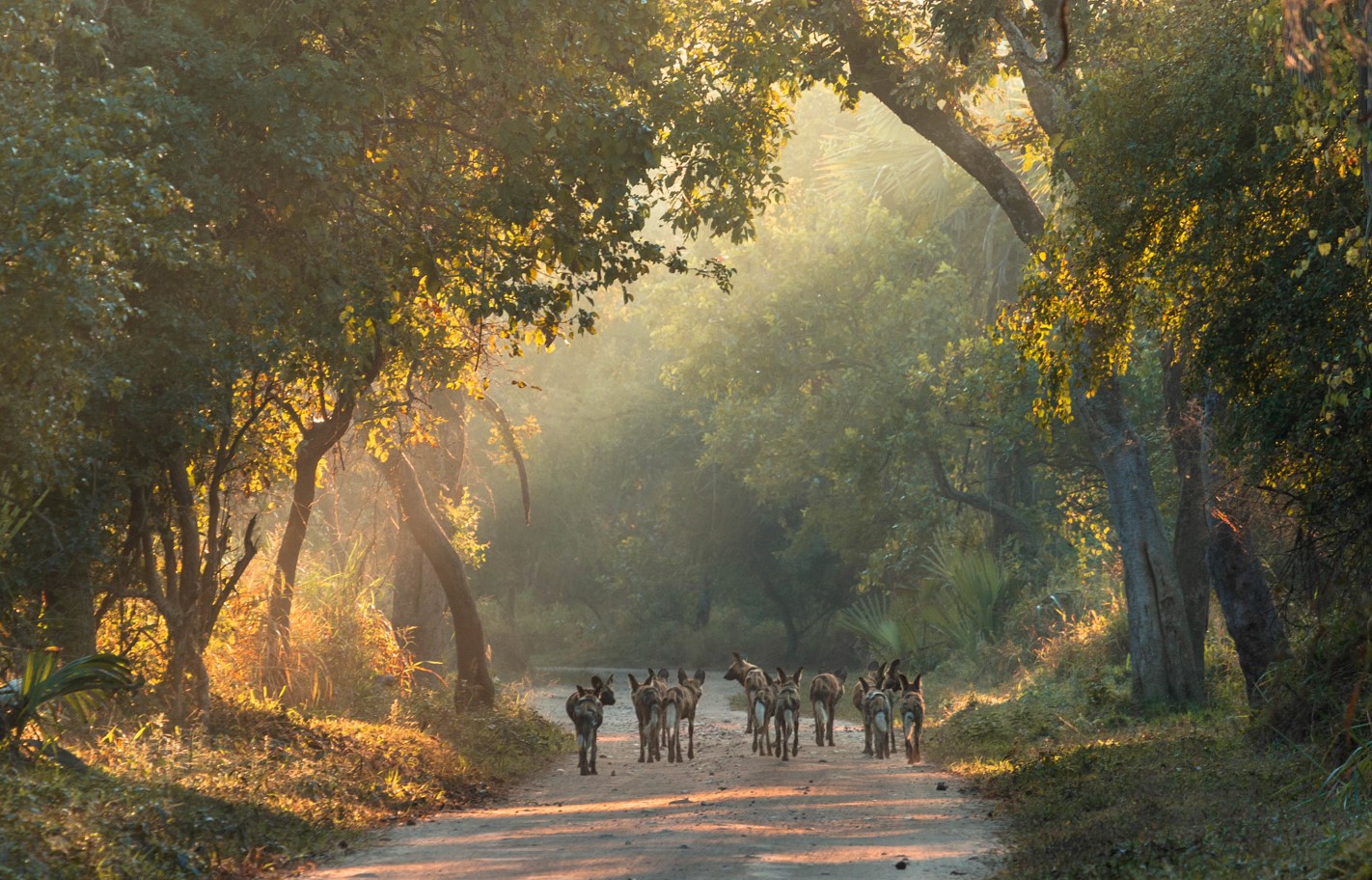
While walking safaris are not designed for close encounters with large predators, wildlife sightings do occur. Antelope species, warthogs, monkeys, and birdlife are commonly seen. Larger animals may be observed at a distance, depending on conditions and location.
The emphasis is always on safety and respect for wildlife. Walks are carefully planned based on recent animal movements, weather, and visibility. Guides are trained to read the environment and adjust routes to ensure safe, responsible encounters. For many travellers, seeing wildlife from a respectful distance enhances appreciation rather than diminishing the experience.
Safety and Guiding Standards
Safety is central to Gorongosa walking safaris. Walks are led by highly trained guides who understand animal behaviour, terrain, and emergency protocols. Routes are selected daily based on conditions, and communication with park staff ensures up to date awareness of wildlife movements.
Guests receive clear briefings before each walk, covering behaviour, spacing, and signals. Firearms may be carried by guides where appropriate, although they are a last resort. Walking safaris are conducted in small groups to maintain control and communication. When managed professionally, walking safaris in Gorongosa are safe, controlled, and deeply rewarding.
Who Walking Safaris in Gorongosa Are Best Suited For
Walking safaris appeal to travellers who enjoy learning, observation, and slower travel. They suit second time safari visitors, conservation minded travellers, photographers, and families with older children who are curious and attentive.
They may not suit travellers who want constant big game sightings or high adrenaline experiences. Walking requires patience, comfort with silence, and an interest in detail. For those willing to engage at this level, Gorongosa walking safaris often become the most memorable part of the trip.
Walking Safaris and Conservation Education
One of the defining features of walking safaris in Gorongosa is their educational value. Guides share insights into the park’s restoration, explaining how decades of conservation work have rebuilt habitats and wildlife populations. Guests learn about predator recovery, community partnerships, and scientific research happening within the park.
This context transforms the walk into more than an activity. It becomes a deeper understanding of conservation in action. Many travellers leave Gorongosa with a stronger appreciation for how protected areas function and why long term conservation matters.

Best Time of Year for Walking Safaris in Gorongosa
Walking safaris are most popular during the drier months from May to October. During this period, vegetation is thinner, visibility is better, and walking conditions are more comfortable. Cooler mornings make longer walks enjoyable, and wildlife movement is easier to interpret.
The green season from November to April offers a different perspective. While walks may be shorter due to heat and vegetation, the landscape is lush and alive with birdlife and new growth. Mozambique Travel advises on seasonal suitability based on traveller preferences and physical comfort.
Combining Walking Safaris With Game Drives
Walking safaris work best as part of a balanced Gorongosa itinerary. Game drives provide broader coverage and chances to see larger wildlife, while walking safaris offer depth and understanding. Together, they create a well rounded safari experience.
Travellers often find that walking enhances game drives by improving awareness. After learning to read tracks and behaviour on foot, guests notice more detail even when back in a vehicle. This combination aligns perfectly with Gorongosa’s philosophy of meaningful, educational travel.
Planning a Gorongosa Walking Safari in 2026
Planning a walking safari requires careful alignment of lodge choice, guide availability, and travel timing. Not all lodges offer walking safaris, and participation may depend on age, fitness, and group size.
Mozambique Travel has over 20 years of experience planning Gorongosa safaris and understands which lodges and seasons best support walking activities. By planning ahead, travellers ensure access to experienced guides and well structured itineraries that balance walking with other safari experiences.