

Mozambique Safari Packages 2026 – Discover Africa Differently
Mozambique Safari Holidays 2026: The Ultimate Bush and Beach Experience in Africa
Mozambique safari holidays in 2026 are no longer an insider secret. They are now one of Southern Africa’s most compelling safari and beach combinations for travelers who want wilderness, space, and meaningful travel without mass tourism. This is not a conventional East Africa circuit or a crowded game reserve itinerary. Mozambique delivers raw landscapes, serious conservation progress, marine biodiversity, and refined coastal escapes in one seamless journey.
From tracking lion and wild dog in Gorongosa National Park to diving coral reefs in the Bazaruto Archipelago, Mozambique offers contrast at a level few destinations can match. Inland, you experience rewilded ecosystems and low vehicle density. On the coast, you shift into warm Indian Ocean waters, island lodges, and wide empty beaches. The result is a safari and beach holiday that feels exclusive, restorative, and deeply authentic.
Why Mozambique Safari Holidays Are Rising in 2026
Search demand for Mozambique safari and beach holidays continues to grow because travelers are actively looking for alternatives to overcrowded destinations. In 2026, three trends dominate decision making: avoiding peak congestion, supporting conservation models that benefit local communities, and combining wildlife with meaningful coastal downtime.
Gorongosa National Park stands at the center of Mozambique’s safari revival. Its restoration story is globally recognized, and wildlife numbers continue to increase across floodplains, forests, and savannas. Birdlife is exceptional, predator sightings are strengthening, and guided experiences focus on depth, not speed. This is a safari for travelers who want context, not just a checklist.
On the coast, the Bazaruto Archipelago remains Mozambique’s marine crown jewel. Protected reefs, dugongs, whale sharks, manta rays, nesting turtles, and seasonal humpback whales define the region. The marine park structure ensures conservation funding flows directly into protection efforts and community programs.
Mozambique’s advantage is balance. You can move from inland wilderness to Indian Ocean clarity in one itinerary, without sacrificing comfort or logistical reliability.
Gorongosa vs Kruger: Choosing the Right Safari Anchor
Travelers often compare Gorongosa National Park with Kruger National Park when planning a Southern Africa safari.
Kruger offers established infrastructure, high wildlife density, and a large selection of private reserves. It is ideal for travelers who want strong Big Five probabilities and well-developed lodge networks.
Gorongosa offers a more intimate experience. Vehicle numbers are lower. Conservation engagement is visible. Landscapes vary dramatically from riverine forest to floodplain to mountain slopes. It suits travelers who value rewilding success stories, bird diversity, and a safari that feels emerging rather than saturated.
Many travelers now combine both, beginning in Greater Kruger for high density wildlife viewing before transitioning into Mozambique’s coastal or conservation-focused environments.
Bush and Beach Routes That Perform Best in 2026
Two Mozambique safari and beach combinations consistently outperform all others in guest satisfaction, seasonal performance, and repeat booking rates in 2026:
Gorongosa National Park and Bazaruto Archipelago
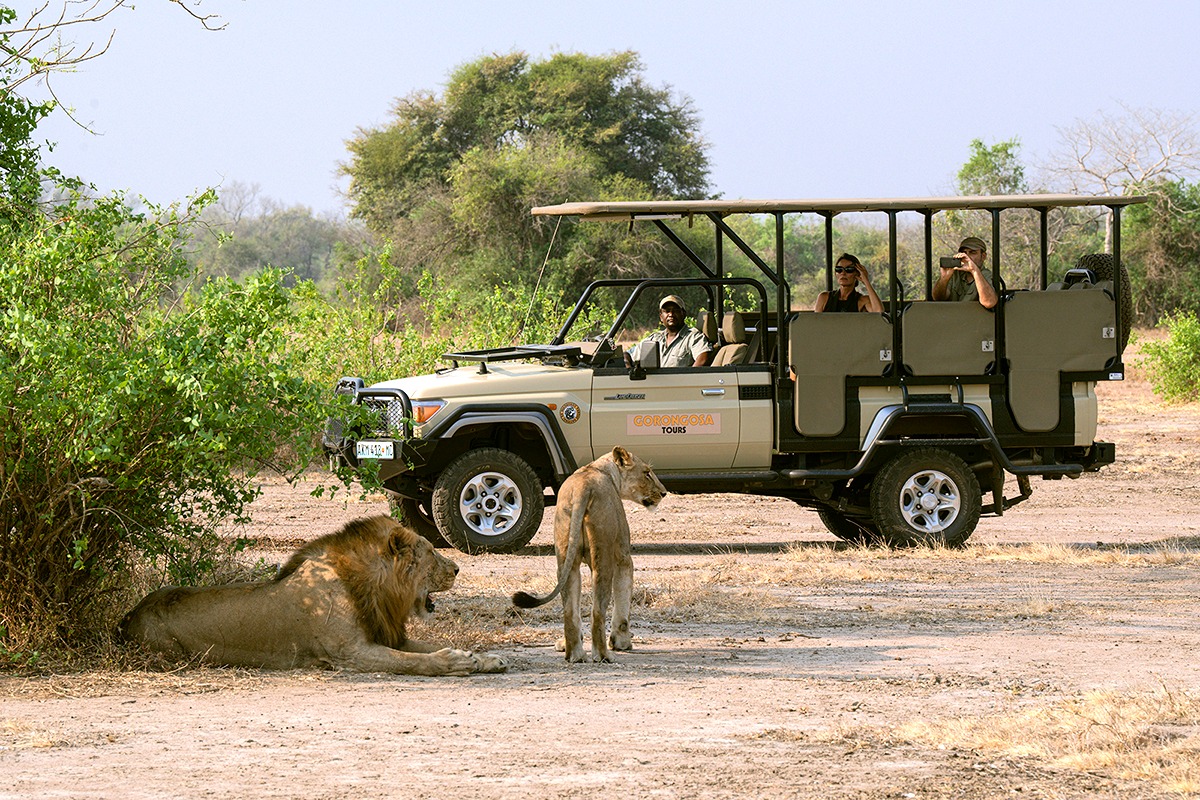
This pairing represents Mozambique at its most distinctive. Gorongosa delivers one of Africa’s most compelling conservation stories, with expanding predator numbers, vast floodplains, dramatic mountain backdrops, and some of the continent’s finest bird diversity. Game drives feel purposeful and uncrowded, often with only a handful of vehicles operating across wide landscapes.
From there, the transition to the Bazaruto Archipelago shifts the rhythm completely. Helicopter or boat transfers lead into protected marine waters where coral reefs, dugongs, manta rays, whale sharks, and seasonal humpback whales define the experience. Days alternate between guided bush walks and barefoot island evenings, diving and dhow cruises, conservation immersion and complete ocean stillness. This route is especially powerful for travelers who value ecological depth, low density tourism, and a safari that connects land and sea meaningfully.
Kruger Private Reserves and Vilanculos or Benguerra Island
For travelers seeking a more traditional Big Five foundation, the Kruger and Mozambique route remains one of Southern Africa’s highest performing safari and beach combinations. Greater Kruger private reserves provide strong lion, leopard, elephant, buffalo, and rhino sightings supported by experienced guides and well established infrastructure.
After intense safari days, guests shift seamlessly by regional flight into Vilanculos or onward to Benguerra Island. The contrast is immediate. The pace slows, the horizon opens, and the Indian Ocean replaces savannah dust. Diving, snorkeling, fishing, spa treatments, and beach downtime restore balance after early morning game drives.
This combination continues to dominate search demand in 2026 because it aligns wildlife density with efficient flight connections and ideal seasonal overlap. It delivers reliability in the bush and refinement on the coast, creating a structured yet emotionally powerful bush and beach journey that remains one of Africa’s most compelling dual destination experiences.


Mozambique Safari Package Types
Mozambique Travel structures itineraries according to travel style, season, and desired pace.
Classic Bush and Beach
Safari in Gorongosa or Greater Kruger followed by a coastal stay at Machangulo Beach Lodge, Vilanculos, or the Bazaruto Islands.
Conservation Focused Journeys
Gorongosa with extended stays that include community visits, birding, and ecological interpretation.
Romantic Island and Safari Combinations
Private reserves paired with Azura Benguerra Island or Benguerra Island Lodge, prioritizing privacy and refined service.
Cross Border Safari and Beach Holidays
Kruger or Sabi Sands linked with Mozambique’s coast through coordinated regional flights and managed transfers.
Top Safari Lodges in Mozambique 2026
Mozambique’s safari and coastal lodges are defined by low density tourism, strong conservation alignment, and location driven design. Unlike high volume safari circuits elsewhere in Africa, Mozambique properties are intentionally limited in scale. This creates privacy, high guide-to-guest ratios, and a more immersive experience across both inland reserves and marine environments.
Gorongosa Muzimu Safari Camp
Located inside Gorongosa National Park, Muzimu offers direct access to one of Africa’s most important conservation restoration projects. The camp sits along the Mussicadzi River, attracting wildlife throughout the dry season and delivering exceptional birdlife year round. Game drives focus on ecological context, predator recovery, and landscape diversity rather than rapid vehicle movement. Tented suites are comfortable yet understated, designed to keep guests connected to the surrounding wilderness. Muzimu suits travelers seeking conservation depth and meaningful safari immersion.
Machangulo Beach Lodge
Machangulo occupies a rare position between dune forest, estuary, and open Indian Ocean coastline. While not a traditional inland safari camp, it delivers a bush and beach hybrid experience with forest walks, marine excursions, turtle tracking in season, and ocean safaris. Elevated wooden villas overlook the water, and the lodge operates in a low impact footprint area near Maputo National Park. It is particularly well suited to families, couples, and travelers seeking a softer safari extension with strong nature access.
White Pearl Resorts
Positioned along the southern Mozambique coastline near Maputo National Park, White Pearl blends beachfront luxury with wildlife proximity. Guests can encounter elephants moving through coastal forest, observe birdlife, and experience seasonal marine activity including dolphins offshore. Villas are elevated with private decks and plunge pools, combining privacy with panoramic ocean views. Horse riding along the beach and guided marine safaris enhance the experience. It appeals to travelers who want polished comfort without sacrificing wild surroundings.
Bahia Mar Boutique Hotel, Vilanculos
Bahia Mar provides a stylish mainland base with direct access to the Bazaruto Archipelago. Overlooking the bay in Vilanculos, it combines wellness facilities, spacious suites, and proximity to dhow excursions and island day trips. It works particularly well as a transitional property within longer bush and beach itineraries. Guests benefit from quick airport access and organized transfers into the marine park.
Azura Benguerra Island
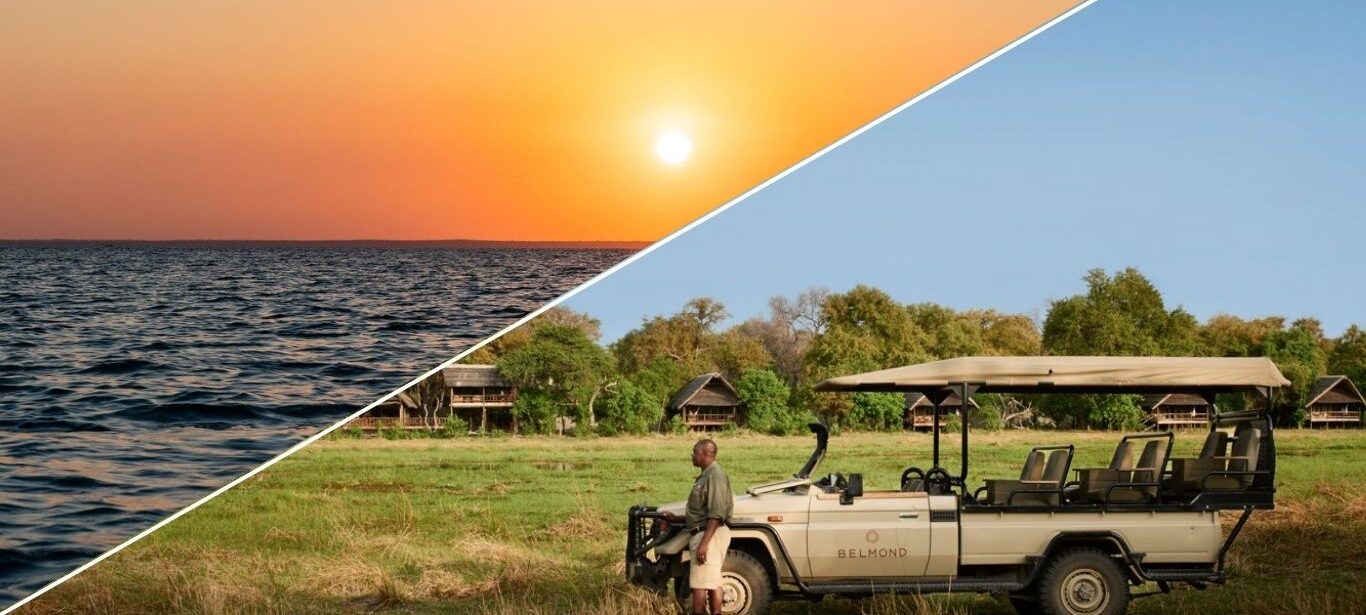
Azura Benguerra Island remains one of Mozambique’s flagship island properties. Private villas sit directly on the beach, most with plunge pools and personal butler service. Activities include reef snorkeling, scuba diving, dhow cruises, fishing, and island picnics. Conservation levies directly support marine protection and community programs. Azura suits travelers seeking privacy, barefoot elegance, and strong service delivery within a protected island environment.
Coral Lodge, Northern Mozambique
Located near Mozambique Island, Coral Lodge offers a more cultural coastal experience. It blends heritage exploration with lagoon views and quiet beach access. This property is ideal for travelers wanting to combine history, architecture, and northern coastal scenery rather than focusing purely on marine activity.
Each of these properties has been selected based on operational standards, conservation engagement, service quality, and strategic positioning within a broader Mozambique safari itinerary.
What Is Included in Mozambique Safari Holidays
Most structured safari packages include:
Regional and inter lodge flights
Luxury lodges or eco camps
Daily game drives and guided activities
Marine excursions such as snorkeling, diving, or dhow cruises
All meals and select beverages
Airport transfers, park fees, and permits
Mozambique Travel aligns all flight timings, lodge check ins, and island transfers in advance to avoid unnecessary layovers or unplanned border stress.
Safety, Structure and Seamless Travel in 2026
Safety in Mozambique safari holidays is rooted in planning, not fear. Managed itineraries ensure that flights, light aircraft connections, and island transfers are coordinated before departure. Private reserves operate with regulated guide standards and established emergency procedures. Island lodges maintain controlled access and pre arranged boat or air transfers to reduce exposure to unmanaged environments.
Cross border combinations with South Africa are structured around controlled entry points and scheduled flights rather than unpredictable overland routes. Medical access points are identified in advance, evacuation protocols are known, and documentation is verified before travel. Travelers who want a deeper understanding of how cross border logistics and medical access are coordinated can review our guide to understanding safety when combining Kruger and Mozambique.
This approach allows guests to focus on wildlife, coastline, and recovery rather than logistics.
Getting to Mozambique Safari Regions
Most international travelers connect via Johannesburg before onward flights to Vilanculos, Maputo, or Beira. From there, charter aircraft, scheduled regional flights, or pre arranged road transfers move guests into safari zones or island lodges.
Gorongosa is accessed via Beira or Maputo with coordinated transfers into the park. Vilanculos serves as the gateway to the Bazaruto Archipelago, with helicopter or boat transfers to island properties. Southern coastal lodges near Maputo are reached by road or boat transfer from the capital.
The structure is predictable when managed correctly, even though the landscapes feel remote.

Mozambique Safari Costs in 2026
Mozambique is positioned primarily in the upper mid range to luxury bracket. Pricing reflects low density tourism, conservation levies, and high service standards.
Average per person per night rates range from approximately 300 to 900 USD depending on season and property level. Seven night safari and beach combinations typically begin around 4,000 USD per person including flights, transfers, full board accommodation, and guided activities. Premium private reserve and island villa combinations may exceed 7,000 USD per person.
Green season travel from November to April offers lower occupancy and occasional rate flexibility, while May to October remains peak wildlife season with premium pricing.
Booking with a Mozambique specialist ensures competitive structuring and accurate seasonal advice rather than generic pricing assumptions.
Plan Your Mozambique Safari Holiday with Experts
Mozambique Travel has been arranging safari and beach holidays across Southern Africa for more than 20 years. Our team understands seasonality, lodge positioning, conservation models, and cross border coordination in detail. We match properties based on wildlife priorities, privacy levels, travel style, and budget rather than generic templates.
Early planning for 2026 secures preferred safari concessions and beachfront villas during high demand windows. Speak to Mozambique Travel to structure your itinerary correctly from the outset, whether you are combining Gorongosa and Bazaruto, Kruger and Vilanculos, or building a longer Southern Africa circuit.
Mozambique safari holidays are no longer emerging. In 2026, they represent one of Africa’s most distinctive, balanced, and intelligently structured bush and beach experiences.