

The Incredible Food of Mozambique
Mozambique’s Famous Flavors and Ingredients
The expression goes ‘You have to see it to believe it’ but in Mozambique, you have to taste it to believe it. The incredible traditional Mozambique food is one of the pleasures aspirant travellers can look forward to on quests to find the perfect beach holiday. Mozambique is impeccably placed on the southeast coast of Africa with its own 2500 km stretch of dazzling white beaches fringed with swaying palm trees. Fine-tune a foodie holiday as part of your dream summer vacation in Mozambique and find out why the local people are so laid-back and warmhearted!
Yes, you too can embark on a culinary journey and discover the incredible flavours and foods of a country called Mozambique. Mozambique cuisine is a feast for the senses. Exploring the food of Mozambique is a great theme for a holiday in Africa, taking tourists from the mainland beach resorts and hotels, backstreet guest houses and local markets, to the floating refuges of islands in the sun where top-quality organic food is grown on-site or flown in from Mozambique suppliers.
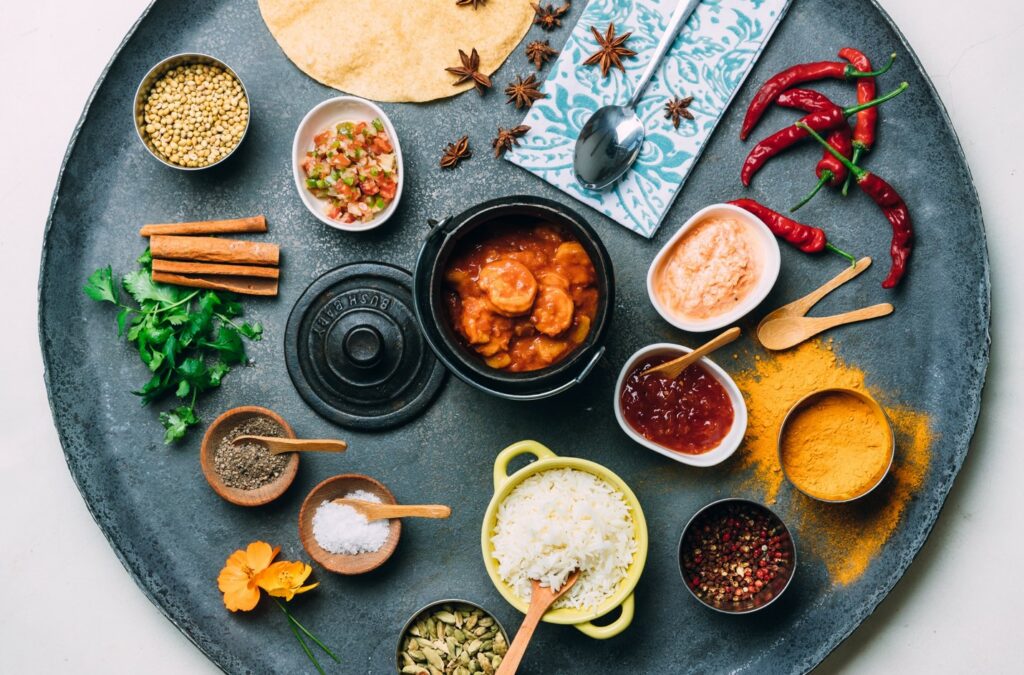
The Mozambique traditional food of choice in this country is fresh seafood straight from the boats, hooked and netted from the warm Indian Ocean. Foodies choose Mozambique for its rich culinary heritage that goes right back to the 10th century when the Arabs dominated the spice trade route after the Fall of Rome and gained control of the Middle East. Then Vasco da Gama and the Portuguese arrived much later in the 15th century and conquered India and Indonesia for the spice trade route.
Soon the Dutch and English joined in the battle to win the spice trade war and spices were traded between the East and West via Africa for centuries. The 17th century saw spices making way for other stimulants and flavours created in Europe and soon to take over the world – coffee, tea, chocolate and tobacco changed people’s lives forever! Mozambique reflects all these cultures today and thankfully the Mozambicans are still hooked on spices and all things hot and flavorsome. It is a common theme in traditional food and throughout Mozambique cuisine.
Wherever you choose to holiday, know that your food is fresh from the ocean and local growers. Most ingredients for Mozambique cuisine are found locally and most accommodation venues choose to support local suppliers and make their own Portuguese breads, sauces, desserts and side dishes. Some destinations cultivate organic vegetable gardens while others buy fish fresh from local dhow fishermen. The choice is yours, when you choose a culinary journey exploring the food of Mozambique but one tip from us: you have to taste the flavors of Mozambique!
The Fiery Flavor of Piri-Piri in Mozambican Cuisine
Peri-peri is more than just a chili sauce in Mozambique – it’s a culinary tradition deeply woven into everyday meals. This spicy blend of African bird’s eye chili, garlic, lemon, and oil is used to marinate everything from chicken and prawns to fish and calamari. Peri-peri dishes are often grilled over open flames, locking in smoky, tangy heat that defines Mozambican street food and fine dining alike. Whether you’re sampling flame-grilled peri-peri chicken in Maputo or sizzling prawns in Vilanculos, the flavor is bold, addictive, and unmistakably local. Many eateries craft their own variations, adding coconut milk or herbs to regional recipes. For travelers chasing authentic Mozambican spice, peri-peri delivers the ultimate taste sensation.
What to Eat to Experience Mozambique Traditional Food
The history of Mozambique food is entwined with the food culture of many tribes and nations who influenced and ruled the country since colonialism came to Africa. The arrival of the Portuguese not only changed the face of Mozambique politically and socially, but it also changed the way people ate and drank. For the next 500 years of Portuguese rule, the invention of ‘piri-piri’ wormed its way into the layers of pleasurable eating and entertaining. This spicy sauce means ‘pepper-pepper’ in Swahili and is an authentic blend of lemon, garlic, vinegar and paprika but the key ingredient is bird’s eye chilli, a special African Capsicum chilli pepper, created through selective breeding to please the palate.
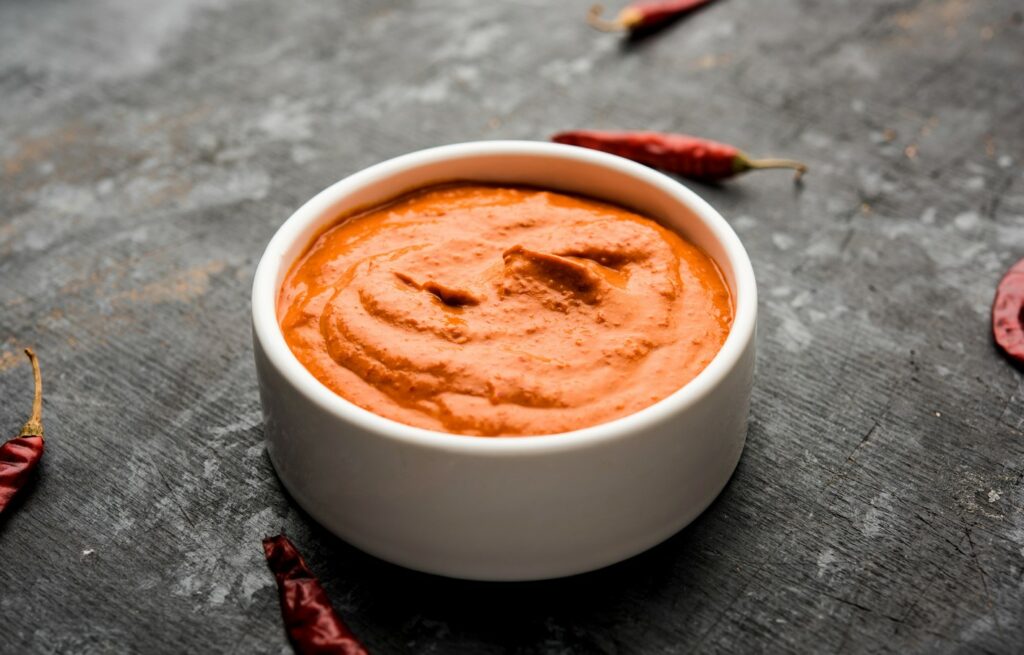
In Mozambican food, piri-piri is used as a base for everything from steak to chicken and seafood. Eating out in cultural and historical Mozambican towns like Maputo, Ilha de Mozambique, Inhambane and other small off-the-beaten-track villages opens the senses to piri-piri which permeates everything. It is good to know what to eat to experience the food of Mozambique. Regional dishes differ according to their location on the coast or inland, and proximity to other borders, or links to historical nations who founded the country.
Of course, fresh fish from the ocean is prevalent in the seaside areas, including prawns, tuna, clams, squid and crab. Mozambicans love chicken and goat which they also farm from home. Their most affordable and traditional start is xima (‘shima’) which is quite simply a stiff maize porridge also prevalent in most southern African countries but named differently. It is called ‘pap’ or uphuthu’ in South Africa, ‘shadza’ in Botswana and ‘ugali’ in Kenya.
Coconuts and cashews are the leading actors in culinary delights of traditional food across Mozambique. Don’t miss out on fresh Pao, a soft white bread roll based on a Portuguese style bread dusted with flour, that can be shared with all dishes with all nations. The incredible Mozambique food is generally homegrown, farmed, hunted, fished or created from ancient traditional recipes. Maybe this is why local people are so content and easygoing! Eat well and stay well in Mozambique!
Where to Eat: Local Tips from the Coast to the City
Mozambique offers a delicious journey for every palate, whether you’re dining in the capital or by the sea. In Maputo, explore bustling fish markets and trendy fusion spots like Zambi or Dhow Café, where Portuguese-African flavors shine with modern flair. Don’t miss Mercado do Peixe, where you can choose your seafood and have it grilled on the spot. Moving north to coastal gems like Vilanculos and Tofo, the dining experience shifts to barefoot elegance.
Try beachside favorites such as Casbah or Branco’s, known for fresh prawns, local beer, and sunset views. Island escapes like Bazaruto and Benguerra elevate things further, with exclusive lodges such as Azura Benguerra and &Beyond Benguerra Island offering gourmet menus inspired by Mozambican traditions. In Inhambane, colorful markets sell traditional snacks like pao com chouriço, and you’ll find family-run eateries serving matapa and feijoada. For a true local treat, stop at roadside stalls for grilled chicken or samosas. Whether you’re after fine dining or street eats, Mozambique’s food culture is rich, unpretentious, and always tied to the rhythm of its communities.
Mozambique’s Street Food and Market Culture
Beyond the beaches and luxury lodges, Mozambique’s food culture thrives in its bustling markets and roadside stalls where locals gather to share meals. Street food is an essential part of daily life, offering everything from freshly grilled maize on the cob to smoky chicken wings dusted with peri-peri spice. In Maputo’s Mercado Central, vibrant displays of cashews, coconuts, spices, and tropical fruits tempt visitors with their colors and aromas. Along the coast, fishermen sell the day’s catch straight from their dhows, while vendors quickly turn it into sizzling skewers of prawns or fried fish fillets served with pao rolls. These simple yet flavorful meals showcase Mozambique’s flair for combining freshness with spice, and they remain accessible to everyone. Eating in markets is also a cultural experience: you’ll find local musicians, artisans, and children adding to the lively atmosphere. For many travelers, tasting Mozambique at a busy market or roadside grill is as memorable as any fine-dining moment. It is here that food culture feels alive, unpolished, and deeply authentic, reminding visitors that Mozambican cuisine is not just about the ingredients, but about community, history, and everyday joy.
Let’s look at the tantalizing flavours of some typical Mozambican traditional food:
Galinha asada – Roast Chicken with a Difference
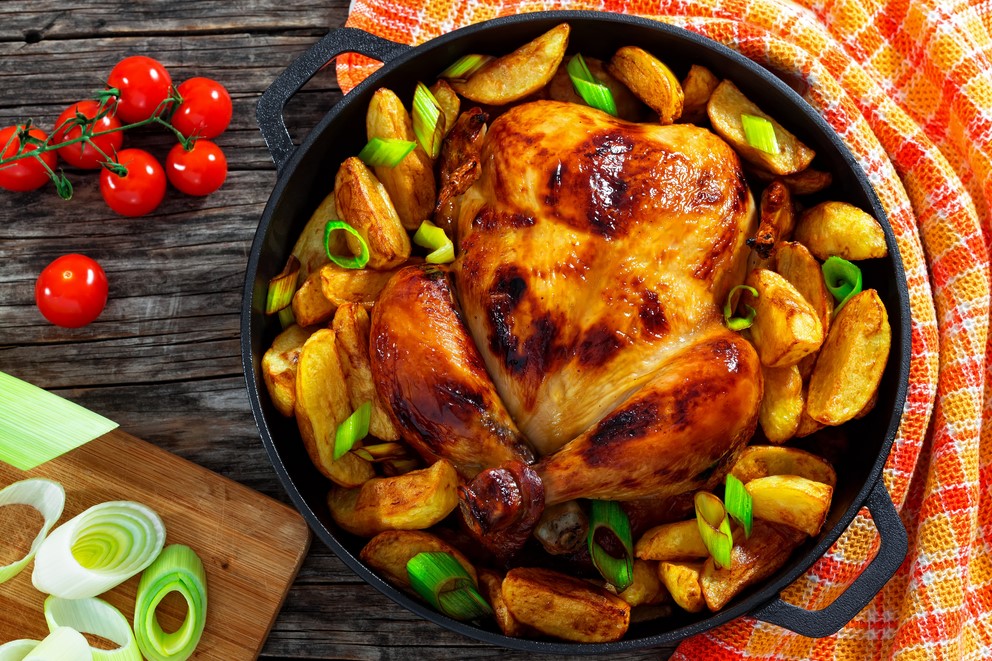
Succulent and delectable Portuguese-style roast chicken that treats your taste buds to an unforgettable experience. This Mozambican cuisine staple can be grilled, barbecued over open coals and marinated in piri-piri sauce for the taste sensation of the year. In Zambezia Province, galinha asada is marinated in freshly grated coconut milk instead of piri-piri sauce for something completely different, creamy and sublime. A true regional delight worth seeking out.
Rissóis de camarão from Mozambique
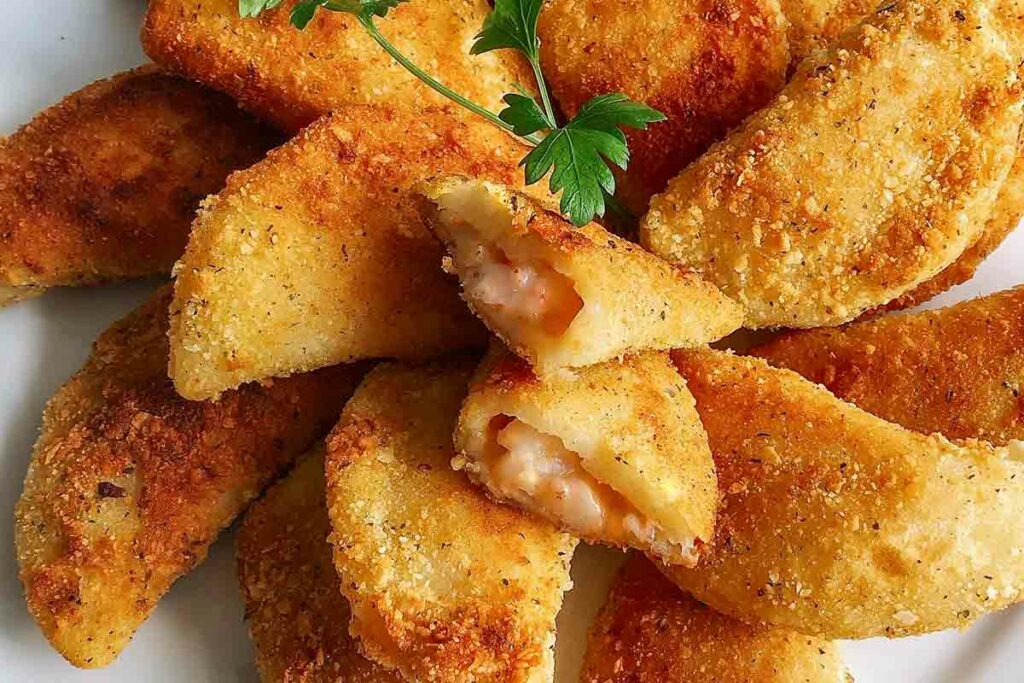
Portuguese croquettes created in a half-moon shape from dough then deep fried and served with a fresh creamy sauce containing whole shrimps, spices and maybe piri-piri. The dough balls are first dipped in whipped eggs and covered with breadcrumbs before being deep-fried. These crispy delights are known locally as rissóis de camarão and are a beloved street food. Enjoy them on the streets, hot or cold, as delicious snack food packed with Mozambican flavor.
Matapa Cassava Leaves – real Mozambique Food
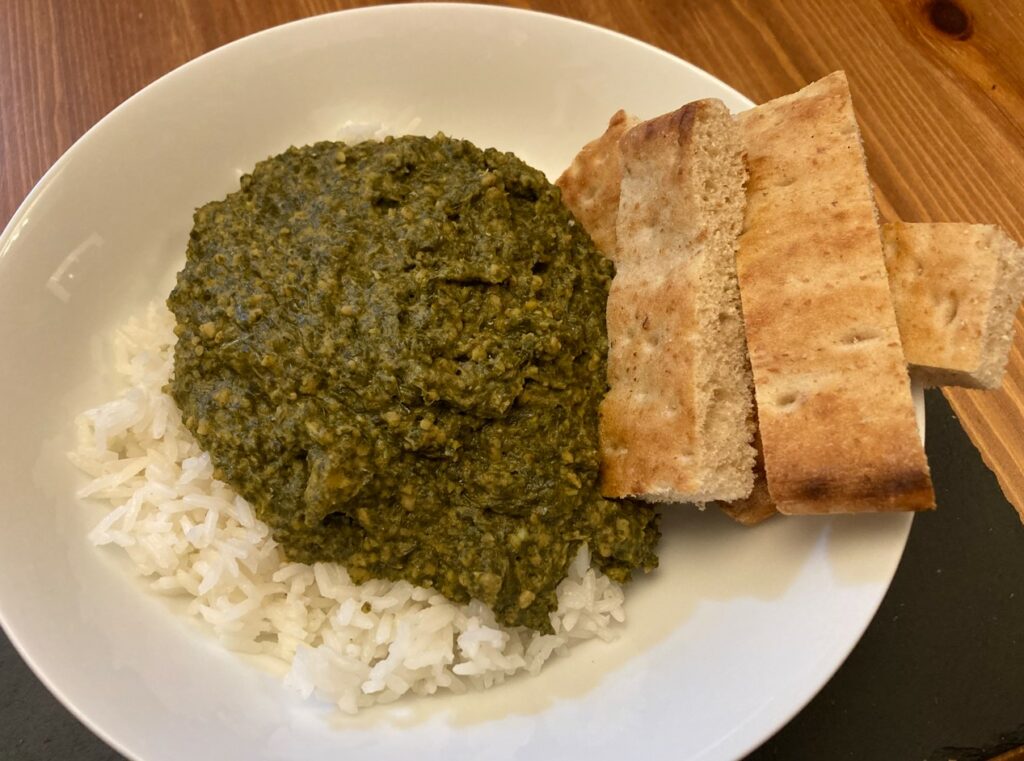
The food of the humble, this dish is made from cassava leaves stewed with ground peanuts, garlic and coconut milk, a nutritious accompaniment to meat and fish main meals. It goes well with rice and is absolutely delicious and satisfying. Some Mozambicans add shrimps or crabs to their matapa and mop it up with xima (stiff maize porridge). Best to buy this from real Mozambicans on the road or in traditional restaurants, and discover one of the most humble but enjouable Mozambique traditional food dishes.
Piri Piri Mozambique Prawns
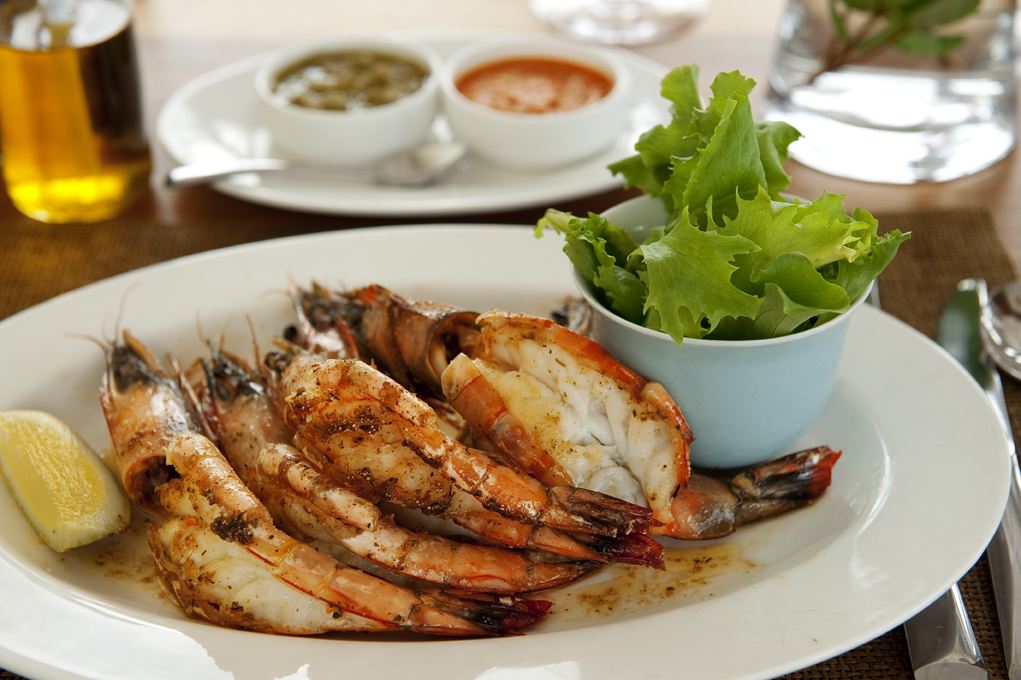
Remember LM prawns, Lourenço Marques Prawns from Mozambique’s heyday before the war? They were huge, juicy, pink and filling and when the recipe was right, they were a firm South African favorite for holidaymakers to Inhambane, Maputo and Tofo! The best LM prawns were marinated in peri-peri sauce and grilled. Find them today in Mozambique restaurants lining the coastal town streets and enjoy them with lemon and garlic butter or creamy beer sauce – with the best Portuguese wines of course! Perfect for Mozambique food lovers seeking authentic flavors.
These legendary prawns are more than just a meal, they are part of Mozambique’s cultural identity and culinary history. Once served in beachside cafés and city taverns, LM prawns quickly became a symbol of Mozambique’s hospitality, bringing locals and visitors together around simple but unforgettable flavors.
Today, they remain a highlight for seafood enthusiasts. Whether you savor them at a fine-dining lodge overlooking the ocean or at a roadside stall buzzing with energy, LM prawns embody the soul of Mozambican cuisine. Their size, taste, and traditional preparation continue to draw travelers who want a true taste of the country’s coastal heritage.
Chamussas the ultimate Mozambique Food
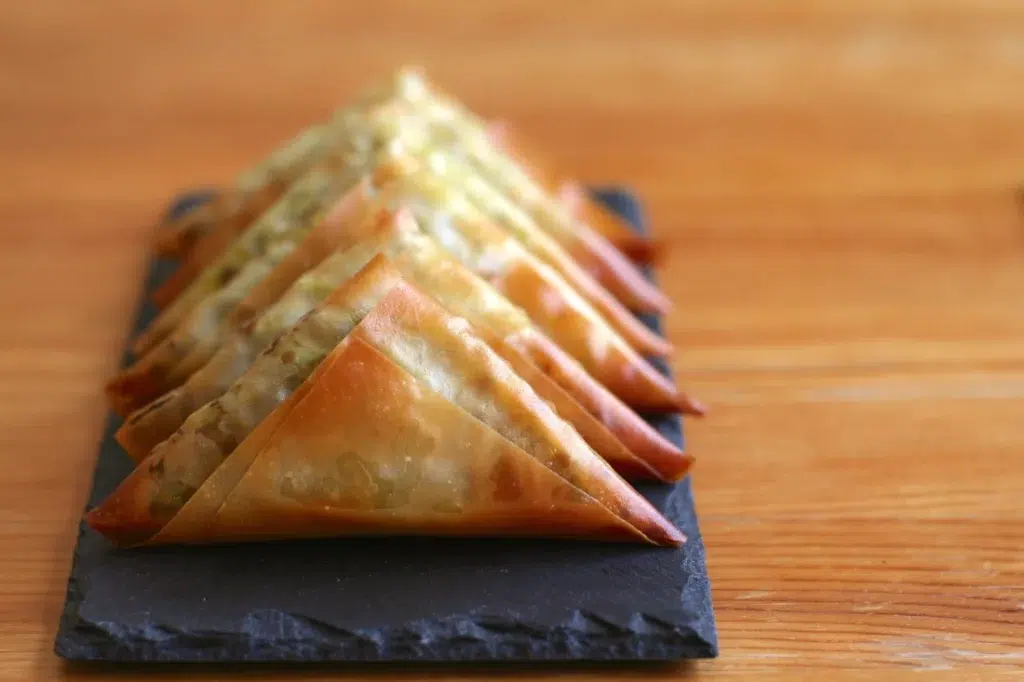
You may have heard of samosas from India but the Portuguese version is the yummy chamussa, a friendly triangular pastry wrapped around a spicy meat or vegetable filling. Some samosas also contain cheese and potatoes based on western tastes. India forged ties with Mozambique during the spice trade route days and there are more Indians living in Mozambique today than any other African country. Chamussas are a popular street food sold on every corner to every nationality in the country!
Dobrada the food of Mozambique
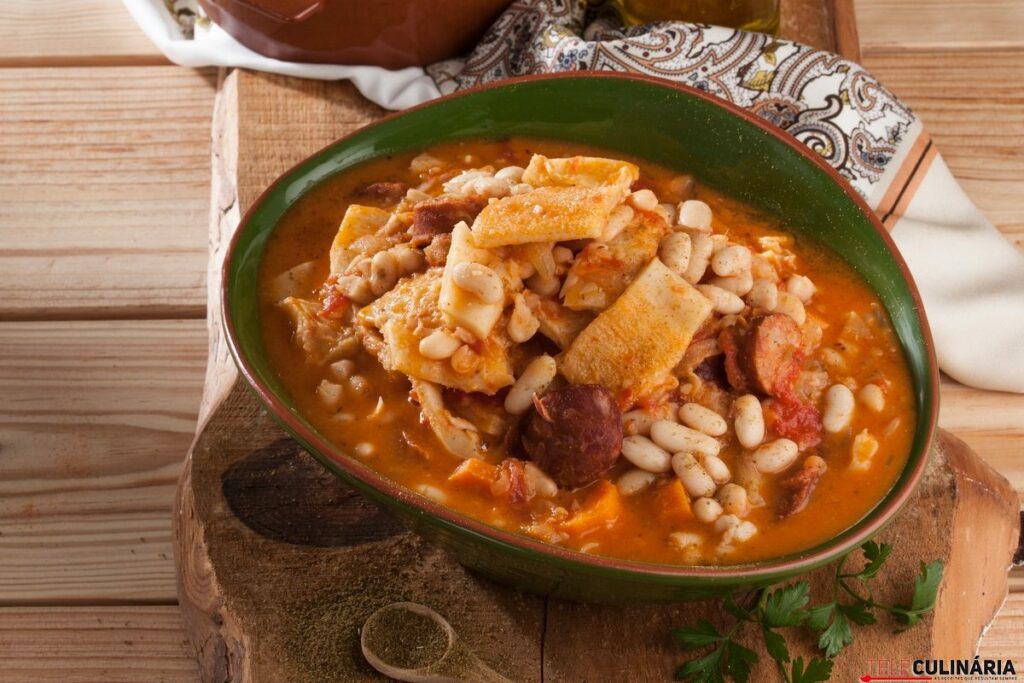
In Africa, freshly grown chillies, tomatoes, green peppers, onions and potatoes are basic traditional foods found in fresh markets and in many delicious meals like stews. It is the foundation for dobrada too, a wholesome stew usually concocted with chickpeas, butterbeans, and chorizo if available. Served with rice or xima which is used to mop up the stew with the fingers. A heartwarming meal and Mozambique traditional food that brings people together.
Bolo Polana Mozambique Cuisine
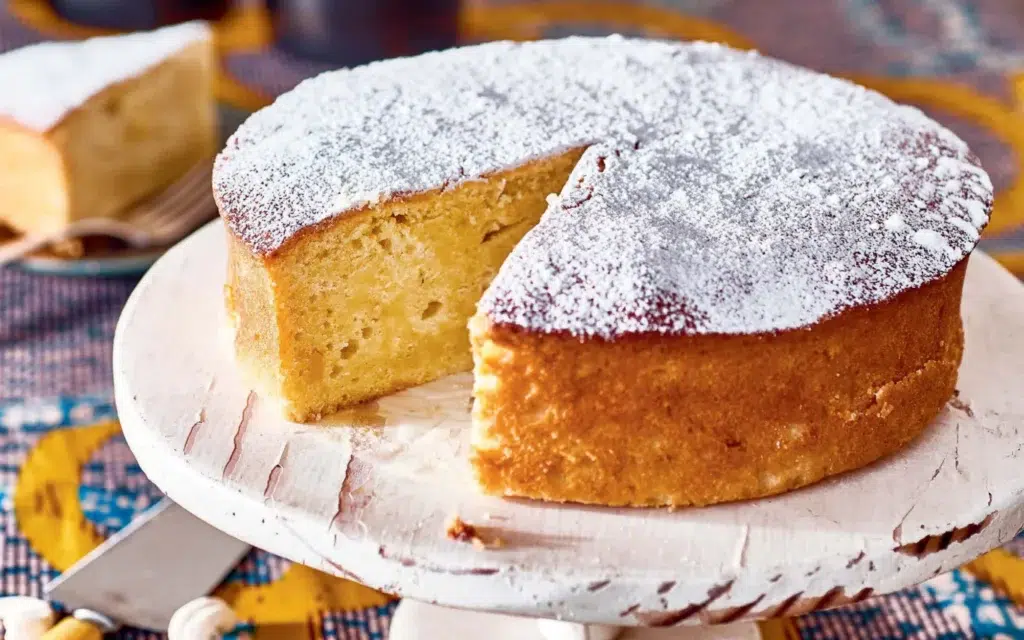
And now for some dessert – created after all the available cheap staples in Mozambique. It’s a sweet dish created from mashed potatoes, powdered cashew nuts, vanilla essence and citrus zest. Cashews grow everywhere in Mozambique, imported from Portuguese Brazil decades ago. Bolo Polana is named after a Maputo neighborhood and is served on special occasions.
Let’s Not Forget the 2M Beer and Tipo Tinto Rum in Mozambique
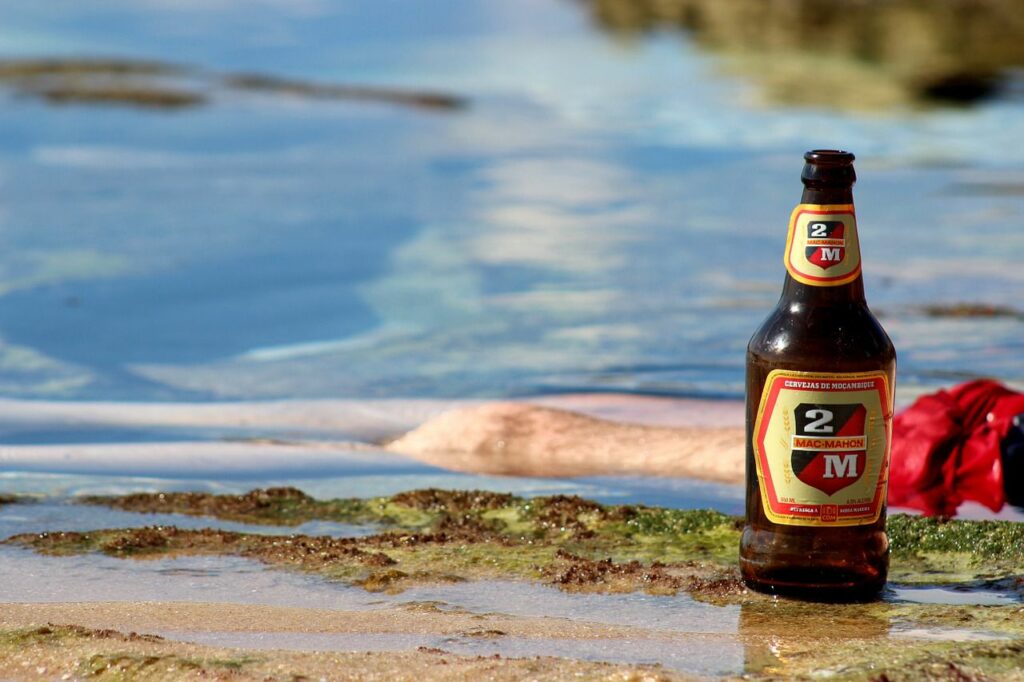
Let’s not forget the most popular beer in Mozambique, the beer of choice in bars, pubs, restaurants and street cafes. 2M beer is a brand everyone knows in Mozambique and a taste travellers look forward to sampling when they arrive. The name 2 M is a shortened version of the surname MacMahon who was a French president in the 1800s. He decided that the Portuguese should rule Portuguese Island, an ivory trading post, and not the English. The beer was named in his honour and arrived in Mozambique after that. The oldest beer in the land is Laurentina, and then there are the others like Raiz, Impala and Manica. It’s a cheap, delicious drink and is served outside under shady trees in local towns and villages.
Mozambicans have another favourite tipple: Portuguese wine goes well with fish and prawns, thanks to its dry, crisp and sparkly texture from the grapes growing in northern Portugal. Also loved in Mozambique is the caipirinha cocktail made from cane spirit, crushed limes and sugar served on ice. Many travellers of the 1980s will remember Catembe cocktails too, a blend of red wine and coke, served in the hot sun for better effect! The first Catembe was poured in 1958!
And now for the lowdown on Tipo Tinto, a dark strong rum brewed in Mozambique and loved by locals and visitors alike. Sip it straight and get a hangover from hell the next day. Sit it with Coke or the best strawberry soda and feel better in the morning. See the many, red-stained lips in pubs in Ponto do Ouro and Tofo and know that Catembes are going down well!
Eating out in Maputo enjoy the food in Mozambique
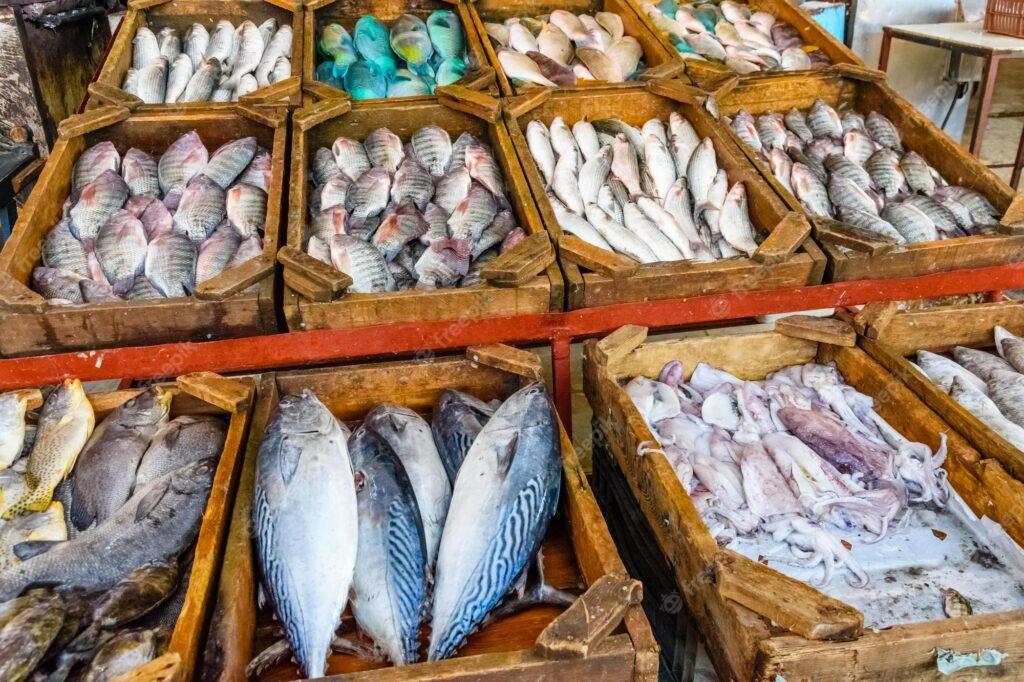
Maputo has a number of exceptional restaurants that serve a wide variety of food of many flavours and a number of influences. Don’t discount the street food as its excellent and the best part of it is you will be mingling with locals and understanding the culture a whole lot more. There’s loads of roadside stalls and small local restaurants dotted around the city offering really good value Mozambique street food. So, as you are wandering around and discovering Maputo explore and discover this great eat out options. Finally, the central seafood market is a must stop for any foodie travelling to Maputo. There’s a number of stalls selling super fresh seafood – form giant tiger prawns, to fresh clams and oysters as well as a huge selection of fish and more. Choose what you fancy from any of the vendors and then the restaurants in the market will cook it for you here and then. There is nothing as authentic for eating out and enjoying seafood in Maputo!
See our guide to the best restaurants in Maputo here.
Take it from us, you have to taste the flavours of Mozambique and what better way to do this than to mix with the local people in their bars, street cafes and rustic restaurants. The incredible food of Mozambique is mostly fresh and homemade, a nuance of cultures and tastes, handed down over centuries. Arabs, Indians, Chinese, Swahili, Mozambican, Portuguese and European influences infuse the food and create a melting pot of culinary delights. A feast for the senses. Come and experience your own foodie adventure in Mozambique!
Start Your Culinary Journey with Mozambique Travel
Food in Mozambique is not simply about eating, it is about experiencing culture, tradition, and hospitality in its most authentic form. Imagine sitting at a beach café where the prawns were caught that very morning, grilled over coals, and served with a splash of fiery peri-peri. Or strolling through a Maputo market, where cashews, coconuts, and spices fill the air with enticing aromas while vendors proudly offer family recipes perfected over generations. These moments define travel in Mozambique: real, flavorful, and unforgettable. With Mozambique Travel, you don’t just taste the dishes, you connect with the people, stories, and heritage behind them.
Our team has been helping travelers discover the best of Mozambique for over 20 years, combining seamless holiday planning with insider knowledge that transforms a trip into a journey of discovery. Whether you are drawn to luxury island dining in Bazaruto, rustic street food in Inhambane, or immersive cooking experiences in Gorongosa, we know exactly where to take you. Trust Mozambique Travel to match you with the perfect lodges, tours, and activities that highlight both the beauty of the land and the richness of its cuisine. Contact us today and begin your Mozambican food adventure with confidence.