

E. O. Wilson’s Influence on Gorongosa: Science, Discovery and Conservation
From Ants to Gorongosa’s Legacy in Mozambique
E. O. Wilson’s contributions to Gorongosa National Park transformed the landscape into one of Africa’s most respected centers for biodiversity science. His vision turned the park from a recovering wilderness into a globally recognised hub for ecological research, species discovery, and conservation innovation. Widely regarded as the most influential naturalist since Darwin, Wilson saw Gorongosa as a model for how science, community involvement, and ecosystem restoration could merge to protect life on Earth.
His lifelong fascination with insects began after losing most vision in one eye as a child, leading him to study ants and other small organisms he could observe closely. This early focus revealed complex worlds of cooperation, adaptation, and ecosystem engineering that shaped his broader scientific philosophy. Wilson’s ant research eventually broadened into a complete vision for biodiversity protection, linking Earth’s smallest species with its grandest ecological patterns. These ideas formed the foundation of his work in Mozambique.
A giant in modern biology, Wilson dedicated his career to explaining how living systems connect and why their protection is essential. His storytelling ability helped bridge the gap between science and the public, making him an influential educator, thinker, and conservation advocate. His legacy continues to guide Gorongosa’s scientific programs and inspire researchers worldwide.
2025 Advances from the E. O. Wilson Biodiversity Laboratory
The E. O. Wilson Laboratory remains central to new discoveries in Gorongosa. In 2025, researchers documented several previously unrecorded invertebrate species from the park’s montane forests, including rare beetles and micro-endemic ant lineages found only on Mount Gorongosa. Advances in DNA barcoding enhanced species identification, while collaborations with Mozambican students produced updated checklists for amphibians and pollinating insects. A new research program on climate resilience revealed shifting plant communities in higher elevations, evidence of how changing weather patterns affect species distribution. These insights strengthen long-term restoration planning and guide future conservation decisions.
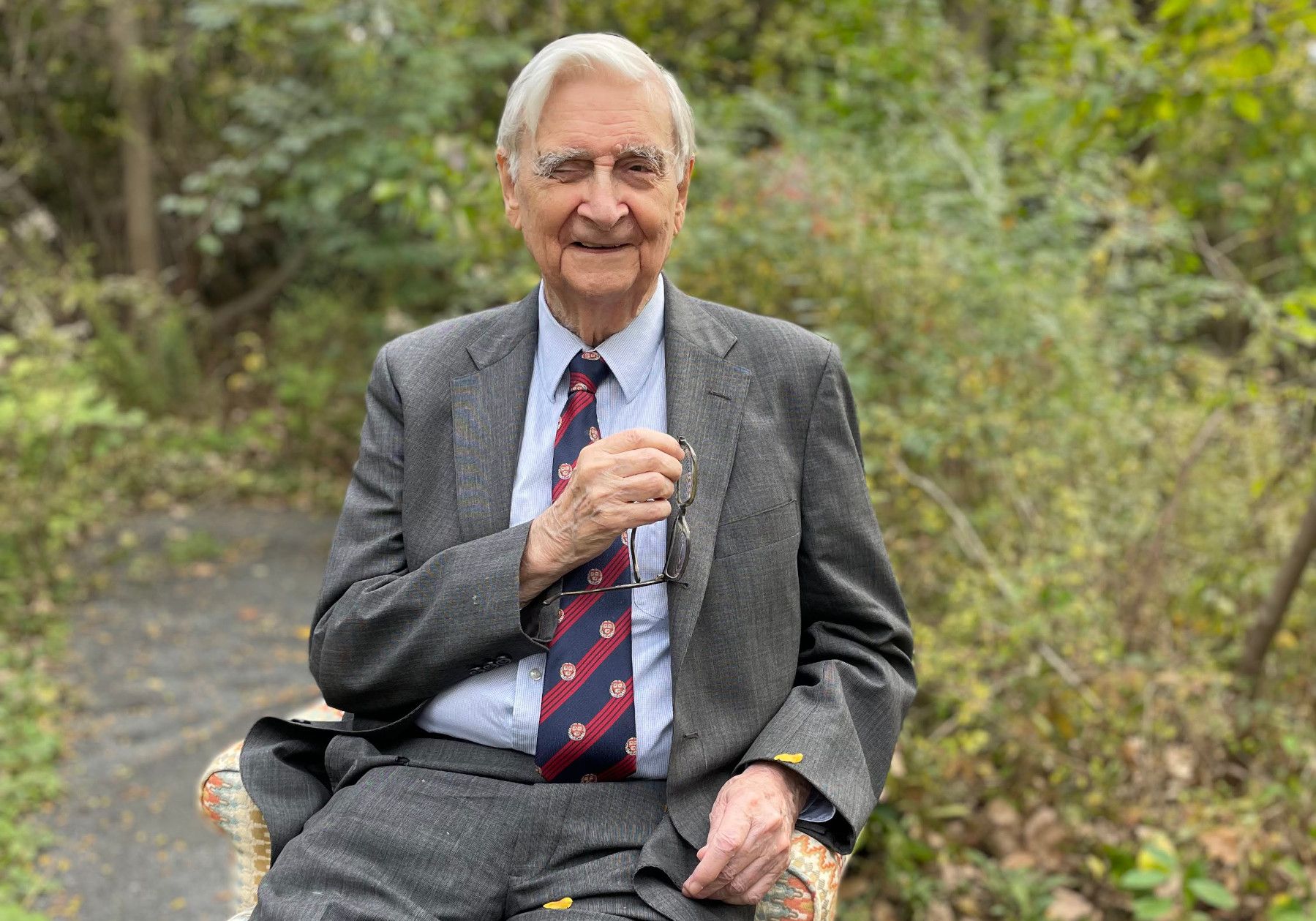
A Giant in Modern Science
Beyond his discoveries, Wilson became a compelling voice for the natural world. His accessible writing and educational outreach made biodiversity understandable and urgent. His work encouraged global communities to see conservation as a shared responsibility tied to humanity’s own future.
Gorongosa: A Living Laboratory in Mozambique
For Wilson, Gorongosa offered unmatched opportunities to apply science-led conservation principles. Once damaged by war, the park became a proving ground for ecological recovery powered by research and community engagement. He supported study programs, mentored young scientists, and helped lay the groundwork for what is now one of Africa’s most successful restoration models.
A Window on Eternity
Wilson’s lasting connection to Gorongosa is immortalized in his 2014 book, A Window on Eternity: A Biologist’s Walk Through Gorongosa National Park. In it, he captured the spirit of the park and the lessons it offers humanity. The book blends science, memoir, and philosophy, inviting readers to experience Gorongosa through the eyes of a scientist deeply moved by its resilience. It highlighted not only Wilson’s discoveries but also Mozambique’s dedication to protecting this unique ecosystem, showing how conservation can serve as a legacy for both nature and future generations.
Commitment to Research in Gorongosa Mozambique
Gorongosa became a canvas for Wilson’s belief that science and local empowerment must work together. His influence expanded research on everything from ants to large mammals, while community programs supported education, agriculture, and sustainable livelihoods. These investments strengthened both biodiversity and human well-being.
The E. O. Wilson Laboratory now hosts molecular research, species cataloguing, paleontology, and ecological studies. Dr. Piotr Naskrecki helped guide Wilson’s vision and expand the BioEx program, which has catalogued thousands of species and continues to train young Mozambican scientists through Half-Earth Fellowships.
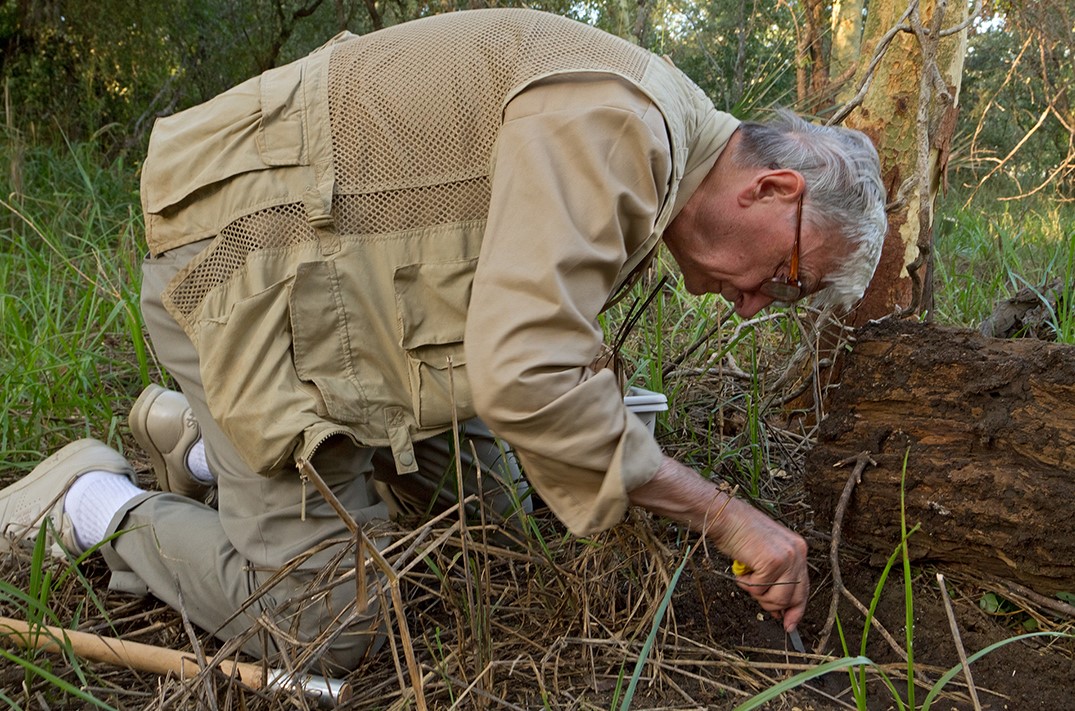
The Discoveries of E. O. Wilson in Gorongosa
Wilson believed that science should be joyful and accessible. His bioblitzes invited local children to help document species, turning the park into a living classroom where curiosity and discovery shaped young conservationists. These events revealed new species, strengthened ecological awareness, and connected communities to their environment in powerful ways.
During these bioblitzes, Wilson personally identified 61 species, some new to science. Children contributed discoveries of plants and insects that had gone unnoticed by adults, proving that biodiversity exploration thrives when communities participate. Each find was celebrated and carefully documented, turning learning into an adventure. These events were more than just educational; they were social gatherings filled with excitement, laughter, and teamwork. Wilson described them as a true classroom without walls, a place where young people experienced the thrill of discovery and began to understand the importance of protecting their natural heritage.
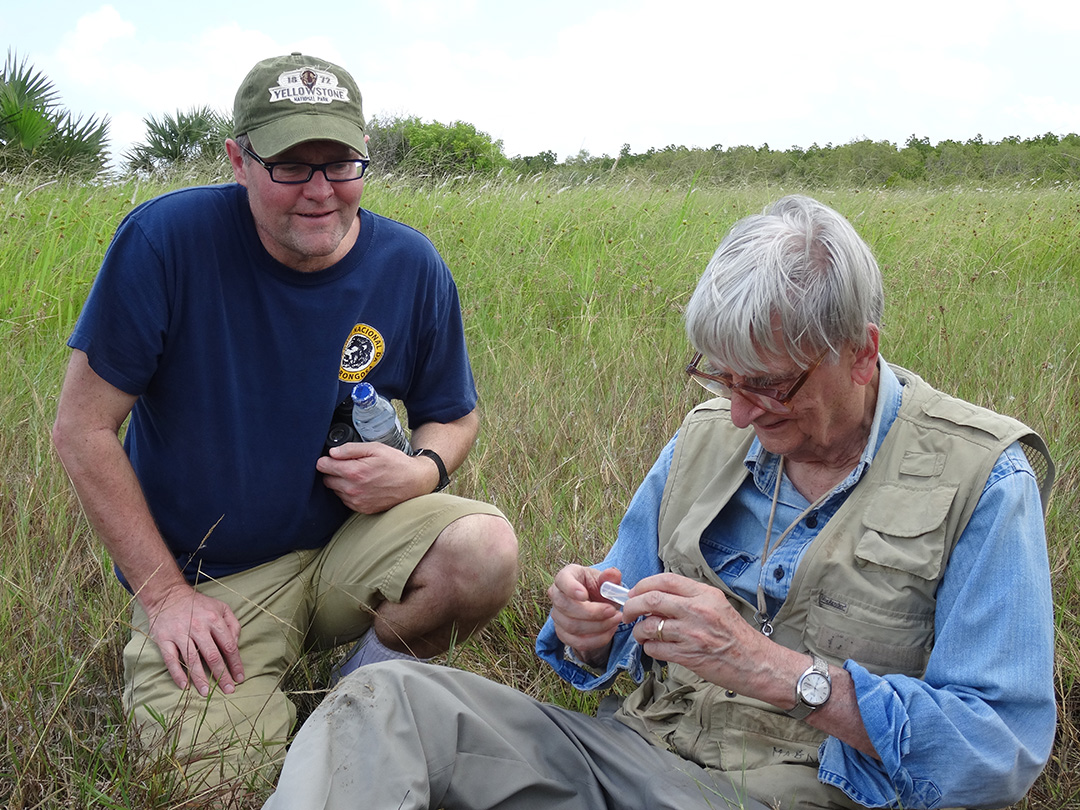
Gorongosa’s vast species richness continues to surprise researchers. More than 75,000 multicellular species live here, and Wilson’s expeditions identified nearly 200 ant species alone.
Inspiring the Next Generation of Conservationists
The legacy of Wilson’s bio blitzes in Gorongosa extends far beyond the thrill of exploration. Many of the children who took part are now pursuing careers in conservation, science, and wildlife management. By sparking curiosity at a young age, Wilson planted seeds of passion that continue to grow into dedicated careers. Gorongosa has become a living example of how grassroots education can drive conservation forward. The park is not only restoring ecosystems but also shaping the future stewards of Mozambique’s wilderness, ensuring that the work of protecting biodiversity carries on for generations.

The Legacy of E. O. Wilson in Gorongosa
Edward O. Wilson’s legacy reaches far beyond the academic halls where he first rose to prominence. Known as a guardian of biodiversity, he devoted his life to protecting the natural world and sharing its wonders with others. His groundbreaking ideas and inspiring leadership in conservation earned him more than 150 international awards, including two Pulitzer Prizes for his books On Human Nature and The Ants. Wilson’s work connected science with society, shaping how we understand ecosystems and why preserving them is vital for humanity’s future.
The Vision of Half-Earth
Among Wilson’s most profound contributions was the concept of “Half-Earth.” This visionary idea proposed that half of the planet’s surface should be set aside for nature in order to preserve biodiversity. It was not a dream of exclusivity but a scientific call to action, supported by evidence that ecosystems need large, connected spaces to thrive. For Wilson, Gorongosa National Park exemplified this principle: a living model of how restored landscapes could safeguard both wildlife and human communities. His vision continues to inspire global conservation movements and policies that protect critical habitats.
The Theory of Island Biogeography
Wilson’s collaboration with Robert MacArthur produced a groundbreaking framework explaining how habitat size and isolation affect species survival. This theory transformed conservation planning and remains crucial to the design of protected areas, including Gorongosa’s expanding boundaries.
A Lasting Influence on Gorongosa and Beyond
Wilson’s involvement in Gorongosa symbolized the practical application of his scientific ideas. By combining research with restoration, he demonstrated how science could heal damaged ecosystems and inspire communities to become conservation partners. His legacy lives on not only in Mozambique’s iconic park but also in every protected area worldwide that benefits from his principles. Wilson left behind more than books and theories; he left a roadmap for saving life on Earth, one that continues to guide scientists, educators, and conservationists today.
The Half-Earth concept is all written down in a book, Half-Earth – Our Planet’s Fight for Survival in which Edward O. Wilson states that everyone in the world needs to work super-fast to save what is left of our planet’s biodiversity. He argues that if we want to slow down the mass extinction of species, including humanity, we must dedicate half the earth to nature. The problem is way too big to be solved in bits and pieces.
Wilson’s commitment to preserving biodiversity extended to Gorongosa National Park in Mozambique, and he understood that conservation must intertwine with human well-being. The Gorongosa project introduced grants for ranger training, tourism, coffee microenterprises, education, and medical services. These initiatives eased the burden on both wildlife and local communities, resulting in a 72 % reduction in poaching incidents. Gorongosa became a model of how to harmonize ecology with the economy, inspiring conservationists worldwide.
E. O. Wilson and His Contribution to Better Understanding Biodiversity, Insects and Human Nature
In his final years, Ed Wilson advocated for the creation of large sanctuaries on Earth, a plea for safeguarding not only charismatic megafauna but also the tiniest, most obscure species. He envisioned a world filled with “Gorongosas,” sanctuaries that celebrate the intricate tapestry of life.
E.O. Wilson stands as a colossal figure in the realm of biodiversity, insects, and human nature and his life’s work has been an expedition through the enigmatic corridors of the natural world. Wilson’s odyssey began when he was 9 and spent his time outside at a nearby park and river. He devoted his early career to studying ants, uncovering their societies’ intricate dynamics, communication systems, and ecological roles. Wilson’s dedication to understanding ants, often termed the “ant-man,” eventually led to groundbreaking research and made him a world authority on these fascinating insects.
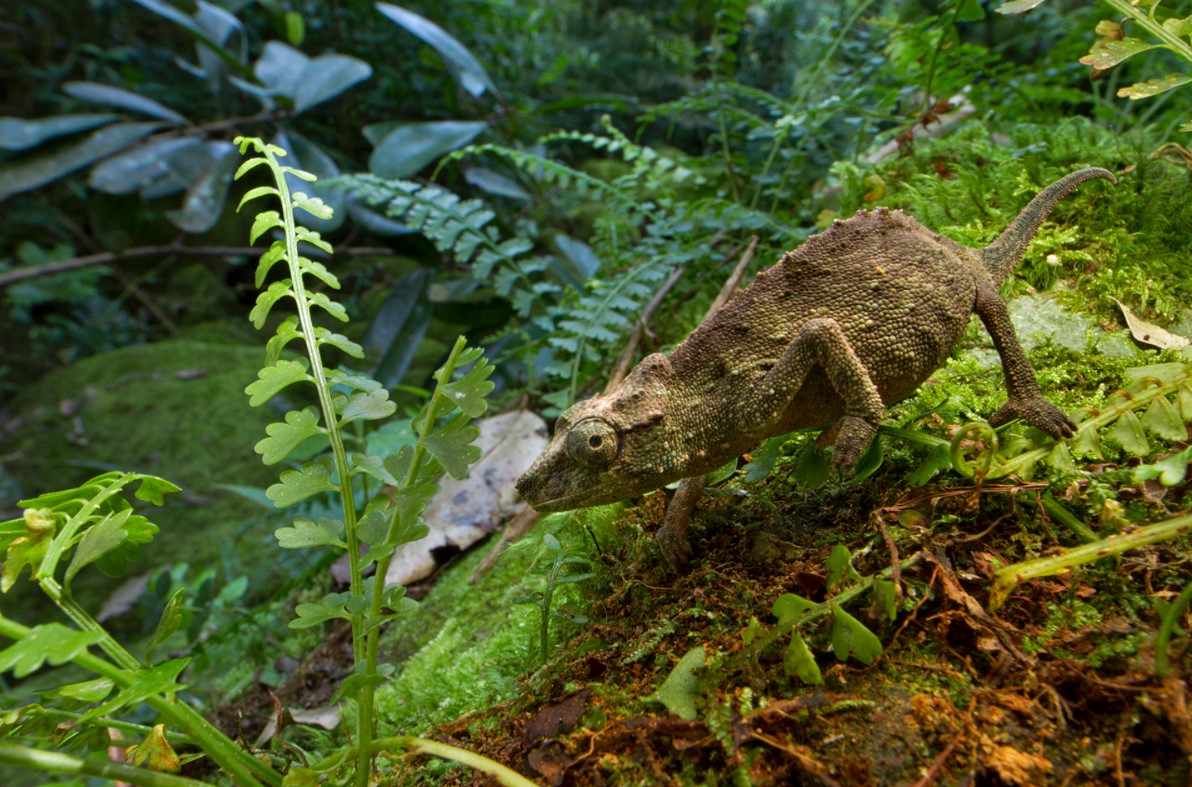
Soon to become a famous biodiversity trailblazer beyond the ant hills, Wilson ventured into the uncharted realms of biodiversity and wrote “The Diversity of Life,” a literary expedition that told the story of life’s evolution on Earth and highlighted the looming threat of large-scale extinctions. He highlighted the urgent need to conserve our planet’s biodiversity.
He journeyed through the intricate realms of sociobiology, unveiling the biological roots of social behaviour in diverse organisms, including people. He argued that our actions, like those of ants, were influenced by heredity, environment, and past experiences—a notion that challenged prevailing ideas about free will. In his later years, he turned the spotlight on biophilia, the innate connection between humans and the natural world. His ideas sparked discussions on the vital importance of preserving this connection for our well-being and the planet’s future.
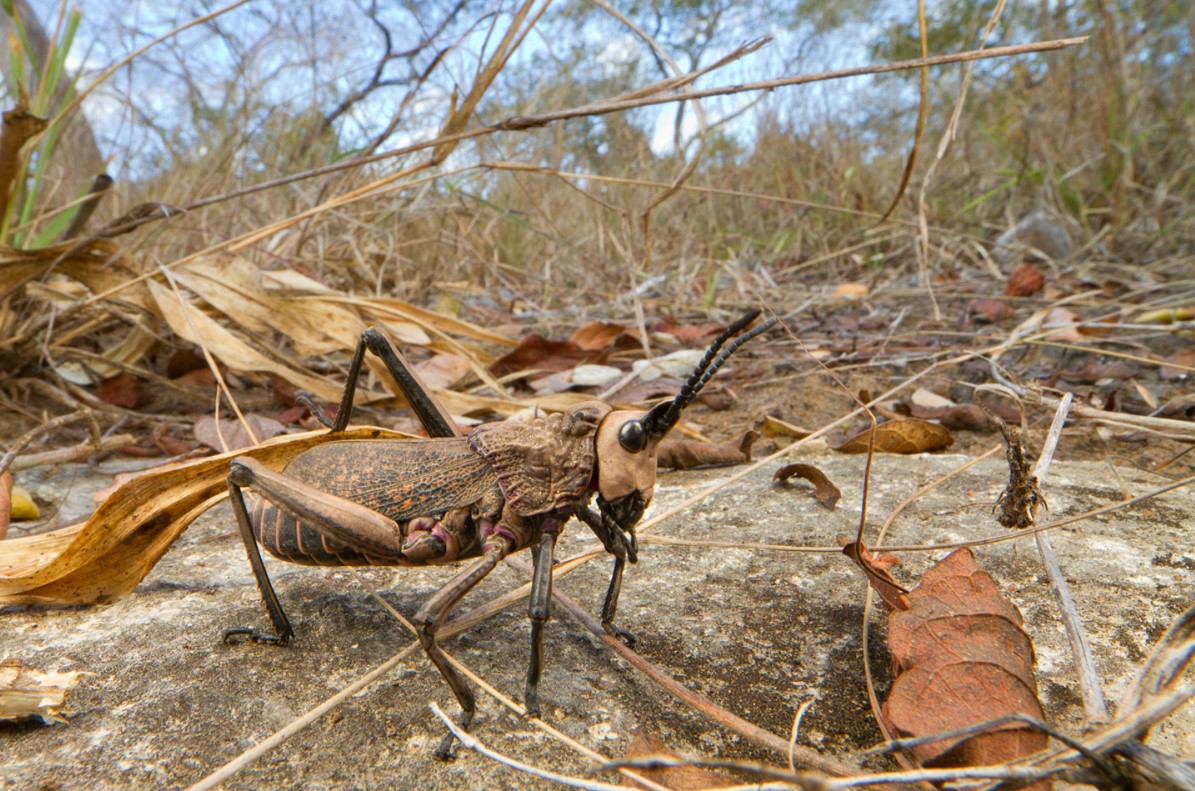
In the end, E.O. Wilson’s legacy transcends the realm of science. It is a testament to a life well-lived, filled with boundless generosity, kindness, and an unwavering passion for Earth’s biodiversity. He may have left this world, but his spirit continues to inspire countless individuals, echoing through the corridors of the E.O. Wilson Laboratory in Gorongosa National Park, a place where the torch of his passion for life on Earth burns bright.
Plan Your Gorongosa Safari with Mozambique Travel
While this blog focuses on Wilson’s scientific legacy, travellers can experience Gorongosa’s living laboratory firsthand. Mozambique Travel has over 20 years of expertise designing safaris that highlight conservation, wildlife, and the park’s remarkable research programs.
A safari to Gorongosa is more than a holiday, it is a chance to witness a remarkable conservation success story while enjoying luxury lodges, game drives, and cultural encounters. Extend your journey with a beach escape to Mozambique’s pristine coast or islands for the ultimate safari and sea experience. Trust our expert team to create your seamless Gorongosa holiday today.