

Gorongosa National Park, A Conservation Success Story for 2026
Gorongosa’s history and conservation success
Gorongosa National Park’s history sounds like a dramatic novel filled with conflict, loss, determination, and renewal. Once ravaged by civil war, uncontrolled poaching, and ecological collapse, this central Mozambican wilderness has transformed into one of Africa’s most celebrated examples of restoration. Known by many as Africa’s Eden, Gorongosa is a living story of resilience, scientific innovation, and deep community partnership.
The park’s revival is the result of decades of collaboration between the Mozambican government, the Greg Carr Foundation, conservation specialists, and the thousands of people who live around the park. What was once an empty landscape has become a thriving ecosystem where wildlife returns, forests regenerate, and communities prosper. For visitors, Gorongosa offers a powerful, immersive safari that highlights how people and wildlife can succeed together.
Gorongosa’s comeback is not just about rewilding animals. It is about ecotourism, education, research, and the long-term wellbeing of local communities. Every traveler contributes to this recovery, helping fund programs that protect biodiversity and support families living around the park.
Accommodation and Safari Experiences in Gorongosa
Visitors can choose from eco-focused safari camps, luxury tented villas, or lodge-style accommodation. Chicari Camp and Muzimu Tented Camp offer intimate canvas experiences where game drives, walking safaris, and guided nature outings bring guests into the heart of the park. Montebelo Gorongosa Lodge provides comfortable rooms, gardens, swimming pools, and flexible meal plans for travellers seeking convenience and comfort. Mozambique Travel designs tailored itineraries that match your style, from birding and walking trails to community tours and scenic drives.
A wide range of accommodation packages are available to Gorongosa based on your budget and preferences.
Community Leadership in Conservation
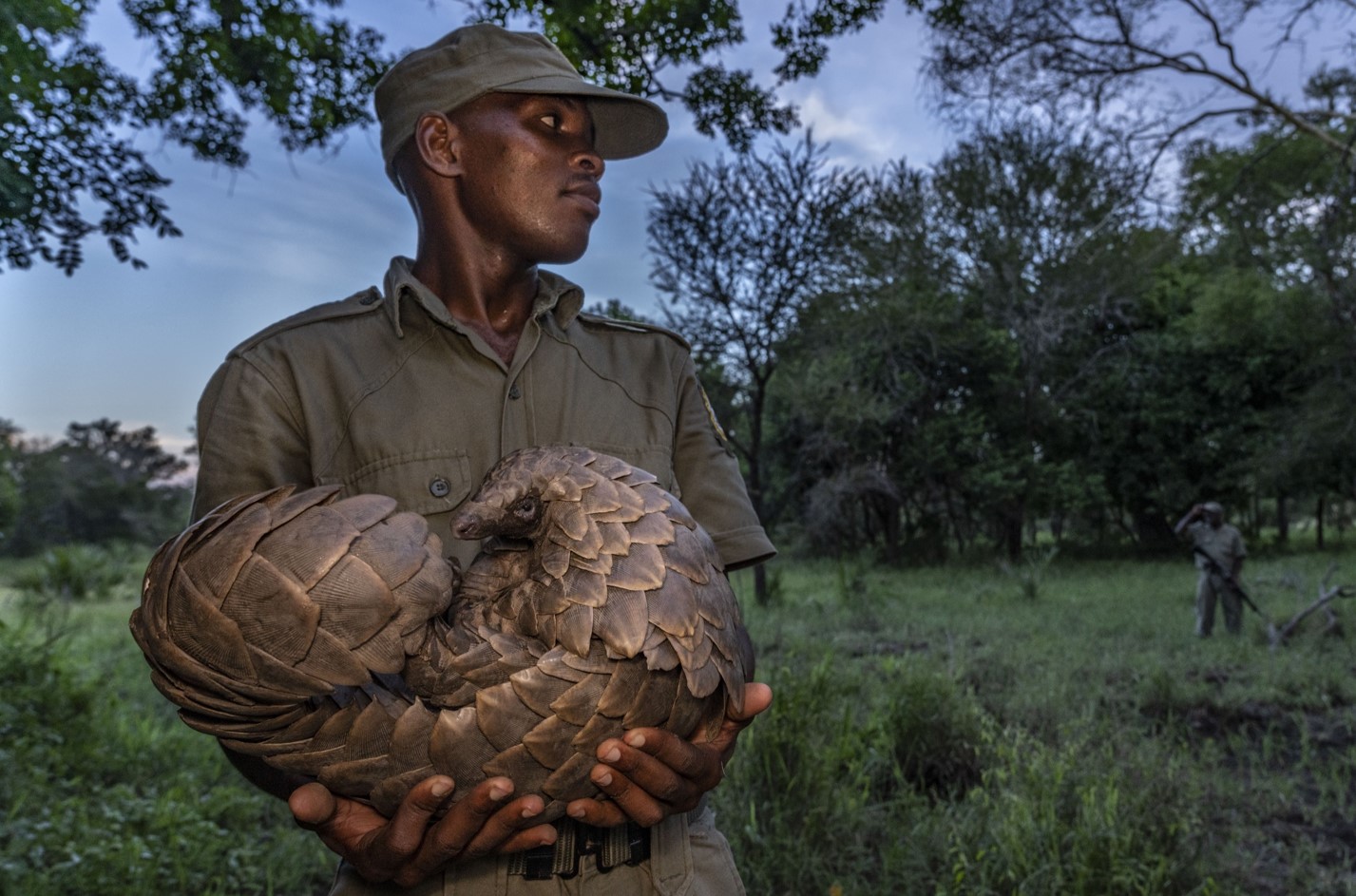
Gorongosa’s conservation success is powered by local people who work as rangers, guides, technicians, educators, and researchers. Rangers patrol the park daily, remove snares, monitor wildlife, and support communities living in the buffer zone. Their knowledge of animal behavior, seasonal changes, and terrain makes them central to protecting the park.
A core part of this model is the Gorongosa Master’s in Conservation Biology, the only degree program in the world taught entirely inside a living national park. Students from across Mozambique and beyond gain hands-on experience in wildlife research and ecological restoration. This education empowers graduates to become conservation leaders in their communities and across the continent.
The Gorongosa Project, Wildlife and People First
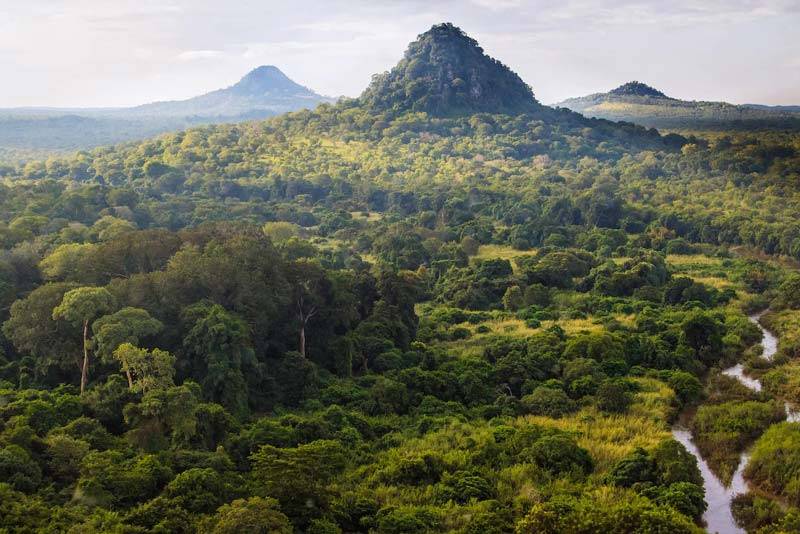
The Gorongosa Project is a long-term partnership between the Government of Mozambique and the Carr Foundation. Its purpose is clear: restore biodiversity while improving the quality of life for surrounding communities. Today, the park covers more than 400,000 hectares and is home to lions, elephants, leopards, wild dogs, antelope, and more than 500 bird species. National Geographic has recognised Gorongosa as one of the world’s Last Wild Places, highlighting its global importance.
The project integrates conservation with community development by supporting schools, clinics, women’s empowerment initiatives, and farming programs. Tourism revenue helps fund these services, ensuring that people benefit directly from protecting nature.
Lion Recovery and the Role of Scientific Research
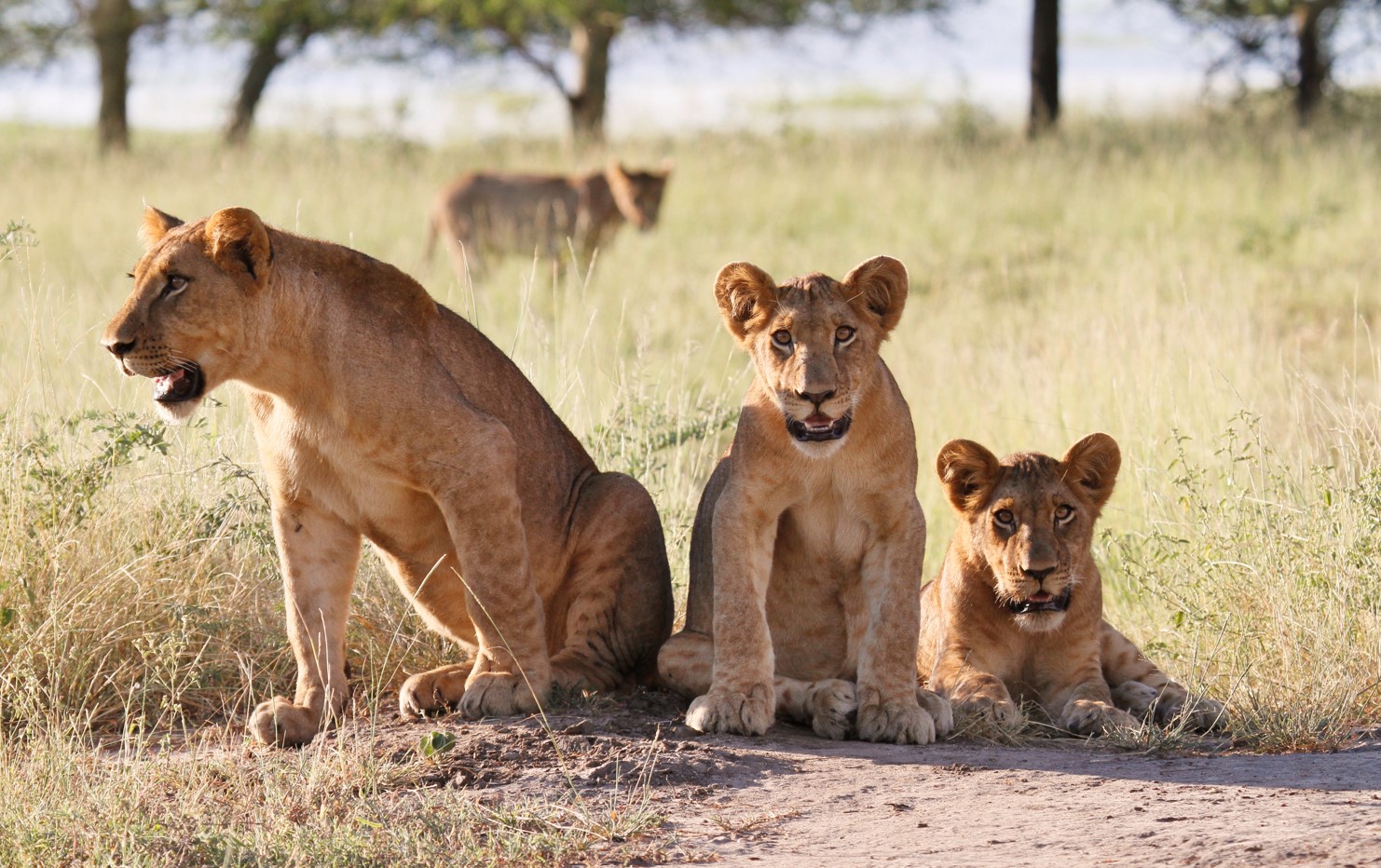
Before the civil war, Gorongosa was famous for its lions. Conflict and poaching wiped out nearly all of them. Today, thanks to anti-poaching units and extensive habitat restoration, lion numbers are rising again. They play a crucial ecological role and are a powerful symbol of the park’s recovery.
Philanthropist Greg Carr’s long-term support has accelerated this transformation. His investment has expanded the park’s boundaries to include Mount Gorongosa, restored forests, and strengthened research programs. The E. O. Wilson Biodiversity Laboratory and the BioEx initiative have documented new species, identified globally significant endemics, and helped guide conservation decisions with scientific accuracy. The Carr Foundation has reintroduced multiple species, and planted millions of native trees in the parks buffer zones..
The Mount Gorongosa Coffee and Forest Projects
Mount Gorongosa is a vital water source and one of Mozambique’s Sky Islands. Its Afromontane forests capture rainfall that feeds the entire park below. Deforestation once threatened this system, but the Mount Gorongosa Coffee Project is reversing the trend. Local farmers now grow shade-grown coffee that protects the forest, generates income, and restores habitat. Profits support education, conservation, and sustainable livelihoods. Community-led forest conservancies, supported by international funding, further protect these fragile ecosystems and encourage sustainable resource use.
In addition, funding from the Global Environment Facility (GEF) supports the creation of community-run forest conservancies. These teach locals how forests prevent erosion, purify water, capture carbon, and produce valuable natural resources such as fruit, honey, and timber. Community ownership ensures long-term protection.
You can read more about this incredible safari destination in Mozambique with our comprehensive Gorongosa blog library here.

Human Development and a Future for All
Approximately 200,000 people live in Gorongosa’s buffer zone. The future of the park depends on them, and their future depends on the park. The Gorongosa model recognizes this interdependence. Development programs focus on health care, education, and women’s empowerment alongside conservation.
Mobile health clinics, improved schooling, and agricultural support projects have been introduced to raise living standards and reduce reliance on natural resources. Vocational training equips youth with skills in ecotourism, science, and forestry, fostering pride and opportunity.
By expanding the park’s protected area and improving life in the buffer zone, the Gorongosa Project is rewriting the rulebook on African conservation. Tourists directly support this model. Every booking fuels education, research, and sustainable livelihoods, building a blueprint for similar initiatives across the continent. Gorongosa proves that conservation success is not just about wildlife, but about investing in people and long-term coexistence.
Gorongosa Historical Timeline
1920–1959: Hunting Reserve
Gorongosa’s official protection began in 1920 when 1,000 square km were set aside for colonial elite hunting. In 1935, the reserve grew to 3,200 square km to safeguard the black rhino and nyala habitats.
1960–1980: National Park Era
The 1960s saw Gorongosa evolve into a true national park with facilities like swimming pools, shops, a clinic, and Chitengo Camp. Aerial surveys recorded thousands of large animals, including 14,000 buffalo and 2,200 elephants.
1981–1994: Civil War Destruction
The Mozambican civil war decimated the park. In 1983, it closed as violence escalated. Wildlife was slaughtered for food and ivory—elephants, lions, rhinos, and hippos were nearly wiped out. By war’s end, 95% of Gorongosa’s animals were gone.
2004 to Present: Restoration and Hope
The 2004 partnership between the Mozambican government and the Carr Foundation marked the beginning of one of Africa’s most successful conservation comebacks. With a focus on rebuilding infrastructure, restoring wildlife populations, and uplifting nearby communities, Gorongosa began a new chapter.
2018 – Return of the Leopard
After decades of absence, a leopard was captured on camera in the park for the first time in years, symbolizing the early success of rewilding efforts and ecosystem recovery.
2020 – Wild Dog Reintroduction
African wild dogs were reintroduced following 25 years of local extinction. Packs have since adapted to their new home, establishing hunting territories and raising litters inside the park.
2021 – Global Rewilding Leadership
Gorongosa became a founding member of the Global Rewilding Alliance, demonstrating its commitment to landscape-scale restoration and global conservation cooperation.
2022 – Wildlife Numbers Rebound
Monitoring programs confirmed that buffalo, elephants, and waterbuck populations were recovering well, with some species reaching numbers last seen before the civil war.
2023 – Sustainability Recognition and Climate Focus
Gorongosa was listed among the Top 100 Sustainable Destinations by Green Destinations. The park also launched a Climate Change Adaptation Program aimed at protecting wetlands and enhancing forest-based carbon sequestration.
2024 – Predator Comeback and Female Rangers Rise
Camera trap data confirmed the presence of cheetahs and hyenas—an indication of natural return or survival. That year also saw the deployment of the park’s first all-female anti-poaching patrols, made up of women from local communities trained in conservation law enforcement.
Gorongosa continues to evolve as a leading model of conservation driven by science, education, and long-term community investment. Its transformation shows how nature, with the right support, can recover from even the most severe damage.
Visit Gorongosa with Mozambique Travel
Today, Gorongosa is more than just a national park. It’s a living case study in how conservation and community development can work together. Its story has inspired ecologists, travelers, and philanthropists around the world.
With Mozambique Travel, you can explore this ecological jewel through exclusive packages that combine luxury lodges, immersive safari experiences, and cultural engagement. From lion tracking to scientific walking safaris, Gorongosa offers a unique journey into Africa’s ecological and social resilience.
Ready to witness a conservation miracle? Book your Gorongosa safari with Mozambique Travel and become part of the story. With 20 years of experience crafting unforgettable African holidays, our expert team will tailor every detail of your trip—from luxury camps to local experiences—to ensure a seamless and meaningful adventure. Contact us now and secure your place in one of Africa’s most inspiring destinations.
Combine Gorongosa with a Beach Safari to Bazaruto or Vilanculos
After exploring the wild landscapes and rich biodiversity of Gorongosa National Park, extend your journey with a relaxing beach escape to Mozambique’s dazzling coast. A short flight from Beira or Chimoio connects you to the turquoise waters of Vilanculos (VCX), gateway to the Bazaruto Archipelago. Spend your days snorkeling over vibrant coral reefs, sailing on a traditional dhow, or simply enjoying barefoot luxury on a secluded island.
This bush and beach combination offers the best of both worlds—untamed safari encounters with lions, elephants, and wild dogs, followed by serene ocean views and coastal hospitality. Choose from luxury lodges, eco-chic villas, or beachfront resorts to match your travel style. Mozambique Travel arranges all logistics, including flights, transfers, and activities, for a stress-free holiday from savannah to sea.
Make your African journey truly memorable by combining Gorongosa’s ecological wonder with the idyllic shores of Bazaruto or Vilanculos—a perfect balance of adventure and relaxation.