

Travel Guide to Maputo: Your Questions Answered for 2026
Why Maputo Works as a City Break and Beach Add On
Maputo is Mozambique’s most dynamic city and one of Southern Africa’s most rewarding short stay destinations. For travellers planning a two to four night city break or a cultural stop before or after a beach holiday in Vilanculos or the Bazaruto Archipelago, Maputo offers depth, flavours, and rhythm without feeling overwhelming. This guide answers the practical questions travellers ask when planning a Maputo visit in 2026, from what to expect on arrival to how to experience the city safely and comfortably.
Unlike resort destinations, Maputo is lived in rather than staged. It is a city explored on foot, through meals, conversations, architecture, and atmosphere. Wide avenues, colonial-era buildings, informal markets, cafés, and a constantly evolving food scene give Maputo its character. It is compact enough to explore without pressure, yet layered enough to reward travellers who enjoy discovery rather than schedules.
For travellers combining city and coast, Maputo provides an ideal contrast. It adds cultural and culinary depth before the slower pace of Vilanculos or Benguerra Island, or serves as a soft re-entry point after time spent on the beach.
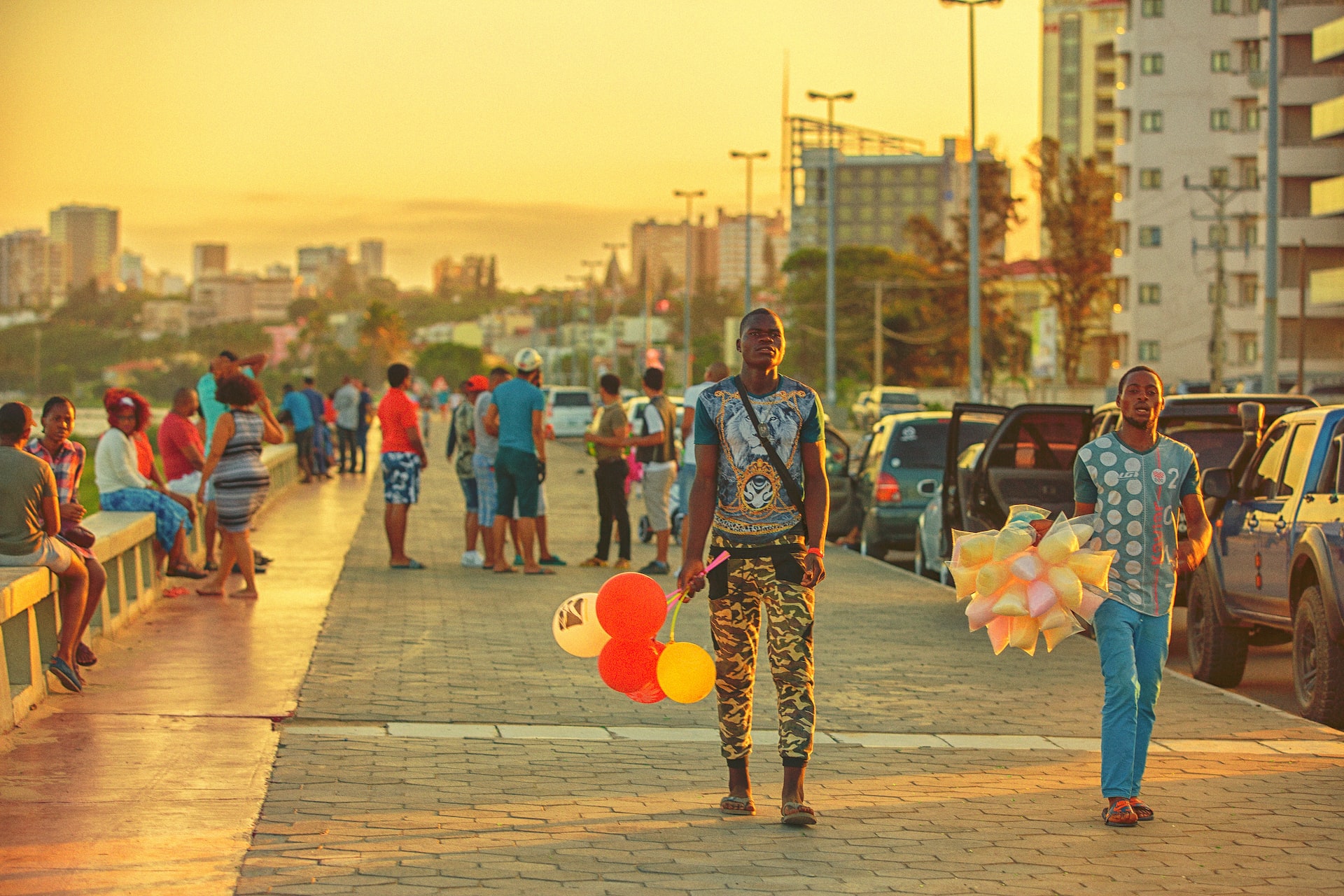
Maputo as a Short Stay Destination
Maputo works particularly well as a short stay destination because it does not demand a rigid itinerary. Many of the city’s highlights are concentrated within a manageable radius, allowing visitors to explore at a relaxed pace. Mornings are often spent walking through historic neighbourhoods, visiting galleries, markets, or museums, while afternoons unfold slowly over long lunches or coastal views along the Marginal.
The city’s appeal lies in contrast rather than spectacle. Crumbling colonial facades sit alongside modern buildings, while traditional street life exists a few blocks from embassies, hotels, and fine dining restaurants. This creates an atmosphere that feels authentic and grounded, particularly appealing to travellers who value real places over curated experiences.
Maputo is also an excellent choice for travellers who want stimulation without intensity. The city is energetic, but not chaotic, and offers enough variety to feel engaging without being exhausting.
Culture, Architecture and Things to See
Maputo’s architectural identity is one of its defining features. Public buildings, railway stations, civic squares, and older neighbourhoods reflect early twentieth century design influences that give the city a distinctive visual character. These areas are well suited to self-guided walking exploration and do not require extensive planning.
Museums and galleries offer insight into Mozambique’s history, art, and natural heritage without demanding full day commitments. This makes them ideal for short stays, where travellers want meaningful experiences without sacrificing flexibility.
Markets form part of everyday life in Maputo and offer visitors a glimpse into local rhythms. Short visits to central markets or neighbourhood stalls are often enough to experience this side of the city without feeling intrusive or rushed. A visit to Maputo fish market is an essential must do and see stop in Maputo.
Music and art remain deeply woven into Maputo’s identity. Independent galleries, informal performance spaces, and live music venues contribute to a creative atmosphere that feels organic rather than manufactured.

Getting Around and Practical Logistics
Maputo is accessible and straightforward to navigate when planned realistically. Most visitors rely on hotel transfers, reputable taxis, or pre-arranged transport rather than self-driving within the city. Walking is enjoyable in central areas during the day, particularly along the Marginal and within historic neighbourhoods.
Maputo International Airport serves as a key gateway for Southern Mozambique and is well connected regionally, particularly from South Africa. For travellers continuing to the coast, onward travel to Vilanculos is simple by air, while road connections support regional and cross-border itineraries.
Short stays benefit from advance transport planning, especially for evening outings or early morning departures.

Safety and Practical Travel Awareness in Maputo
Maputo is a functioning capital city, and like any urban destination, it rewards awareness and planning rather than fear. Most visitor experiences are centred around hotels, restaurants, cultural sites, and guided activities, which significantly reduces risk. Travellers who plan transport in advance, avoid unnecessary late night walking, and follow local advice generally experience the city without issue.
Daytime exploration in central and coastal areas is comfortable, particularly when visitors remain aware of their surroundings and keep valuables discreet. Evenings are best spent moving between known venues using trusted transport rather than walking long distances. Petty crime can occur, as in most cities, but serious incidents involving visitors are uncommon when sensible precautions are taken.
Maputo has access to private clinics, pharmacies, and emergency services, and reputable hotels maintain clear safety protocols. Mozambique Travel provides practical, up to date safety guidance tailored to city breaks and combined itineraries, helping travellers understand what to expect and how to move confidently through the city. This calm, informed approach allows visitors to focus on enjoying Maputo rather than navigating uncertainty.
When to Visit Maputo
Maputo can be visited year round, with seasonal differences shaping the experience rather than limiting it. Cooler, drier months are well suited to walking, cultural exploration, and dining, while warmer periods enhance coastal lunches and evening social life.
For travellers combining Maputo with beach destinations, timing is often aligned with conditions in Vilanculos or the Bazaruto Archipelago rather than the city alone. Short stays work well across seasons, provided expectations are set around pace and climate.
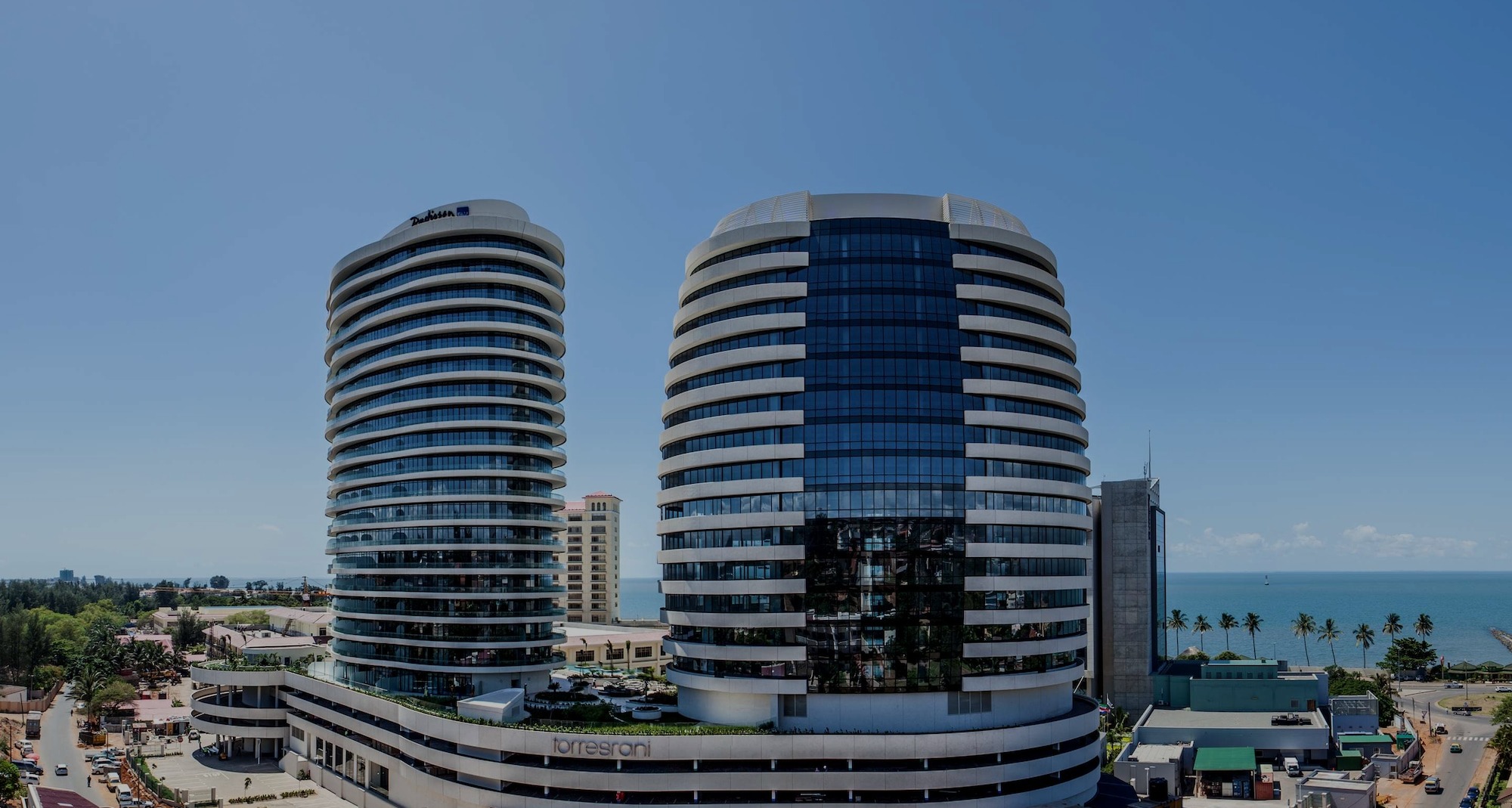
Flights Into Maputo From Johannesburg
Flying from Johannesburg to Maputo remains one of the easiest international connections in Southern Africa. Maputo International Airport (MPM) is well established as a regional gateway, used by both leisure and business travellers heading into southern Mozambique or continuing onward to beach destinations and safari regions.
Daily direct flights from Johannesburg make Maputo an accessible short haul destination, with flight times typically around one hour to one hour and fifteen minutes, depending on routing and airline. This ease of access is a major reason Maputo works so well for city breaks, long weekends, and stopovers before or after coastal holidays.
Travellers arriving in Maputo can continue onward by air, road, or organised transfer. Vilanculos, the main access point for the Bazaruto Archipelago, is easily reached via scheduled domestic flights, making it simple to combine a Maputo city stay with island or mainland beach time. For those travelling by road, Maputo also serves as a practical entry point into southern Mozambique from South Africa.
On arrival, visitors typically use hotel transfers, reputable taxis, or pre-arranged transport to reach accommodation in the city. The airport is close enough to central Maputo that transfers are straightforward and rarely time consuming.
Food, Restaurants and Nightlife in Maputo
Maputo is widely regarded as one of Southern Africa’s most rewarding food cities, and dining plays a central role in the overall travel experience. The city offers a diverse mix of restaurants, bars, live music venues, and relaxed social spaces that appeal to both visitors and locals.
Mozambican cuisine reflects a rich blend of African, Portuguese, Middle Eastern, Indian, and South Asian influences, with seafood at the heart of many menus. Fresh prawns, peri peri chicken, grilled fish, and slow cooked stews are staples, served alongside both traditional and contemporary interpretations.
Evenings in Maputo tend to unfold gradually. Dining is social and unhurried, often followed by drinks at nearby bars or live music venues rather than high energy nightclub hopping. This creates a nightlife scene that feels lively but approachable, particularly suited to travellers on short stays who want atmosphere without excess.
Food and nightlife in Maputo are best experienced as part of the city’s broader rhythm, mixing culture, conversation, and setting rather than chasing trends. This balance is one of the reasons Maputo continues to appeal as a city break destination in 2026.

Quiet Corners and Local Spaces Most Visitors Miss
Beyond Maputo’s main avenues and well known landmarks, the city reveals itself in quieter, more personal ways. Early mornings are particularly rewarding. Neighbourhood bakeries opening their doors, informal cafés filling with regulars, and coastal walkways used by locals heading to work offer a version of Maputo that feels unfiltered and calm. These moments are rarely listed in guidebooks but often become travelers’ strongest memories.
One overlooked area is the network of side streets and shaded gardens away from the Marginal, where colonial-era homes, guesthouses, and small cultural spaces still operate at a local rhythm. Wandering here without a fixed agenda allows visitors to experience Maputo as a lived-in city rather than a checklist destination. Short walks, unplanned stops, and casual conversations often reveal more than scheduled tours.
Markets, Craft, and Everyday Culture
While many visitors pass through markets quickly, spending time at places such as FEIMA Arts and Crafts Market or smaller neighbourhood stalls offers deeper insight into Maputo’s creative and trading culture. These spaces are not just about souvenirs, but about materials, techniques, and everyday exchange. Handwoven baskets, carved wood, textiles, and locally produced foods reflect regional identities from across Mozambique.
Away from formal markets, roadside grills and informal food stands are equally revealing. Watching fish being prepared, bread delivered, or charcoal fires lit gives travellers a grounded sense of how the city feeds itself. These experiences are best approached with curiosity and respect rather than photography first, allowing interaction to unfold naturally.
Crossing the Bay and Slowing the Pace
One of the simplest but most effective ways to experience Maputo differently is by crossing the bay to Catembe. The short ferry ride offers a shift in perspective, both visually and culturally. From the water, the city’s skyline softens, and on the opposite shore the pace immediately slows.
Catembe is not about major attractions. It is about beaches, open space, and a quieter rhythm that contrasts sharply with the city centre. A relaxed lunch, a walk along the shore, or simply sitting with views back toward Maputo allows travellers to reset without leaving the region. For those on short stays, this half-day experience adds dimension without complicating logistics.
Plan Your Trip to Maputo
Maputo works best as part of a balanced itinerary. Many travellers combine a short city stay with a beach extension, using Maputo as a cultural and culinary counterpoint to coastal relaxation. Accommodation choice, transport planning, and activity pacing all benefit from local insight, particularly for first time visitors.
Mozambique Travel assists with planning city breaks, beach combinations, and practical logistics, ensuring Maputo fits naturally into a broader Mozambique holiday rather than feeling like a standalone complication.