Travel Safety in Africa in 2026
Why Travel Safety in Africa Looks Different in 2026
Travel safety in Africa in 2026 is no longer about avoiding an entire continent based on outdated perceptions. Instead, it is about understanding regional differences, planning realistically, and using modern tools that support travellers before and during their journey. Africa is vast, diverse, and uneven in infrastructure, which means safety varies significantly by country, region, and travel style.
In 2026, most safety risks for travellers are predictable and manageable when trips are well planned. The majority of visitors travel without incident, particularly those using reputable operators, guided activities, and established accommodation. Modern travel safety is less about fear and more about preparation, awareness, and access to support when needed.
What Has Changed About Travel Safety in Africa
Several factors have improved travel safety across Africa in recent years. Infrastructure has improved in major tourism regions, communication technology is more accessible, and emergency response coordination is stronger than in the past. Travellers are also better informed and more proactive about managing risk.
At the same time, expectations have shifted. Travellers now understand that safety is not guaranteed by location alone, but by decisions. Choosing the right accommodation, planning transfers carefully, avoiding unnecessary night travel, and understanding local conditions make a measurable difference to overall safety.
Most Common Travel Safety Concerns in Africa
For most travellers in 2026, the main safety considerations are not violent crime or extreme danger, but everyday travel risks.
Health and medical access remains a key consideration, particularly in remote safari areas or islands where facilities may be limited. Road safety is another factor, especially for self drive travellers unfamiliar with local conditions. Petty crime can occur in cities, as it does worldwide, but is usually avoidable through situational awareness and basic precautions.
Environmental factors also play a role. Heat, dehydration, ocean conditions, wildlife encounters, and weather events such as storms or flooding require preparation rather than avoidance.
Safest Ways to Travel Through Africa
The safest way to travel in Africa in 2026 is through structured, well planned itineraries. Travellers using experienced tour operators benefit from vetted accommodation, reliable transfers, and guides who understand local conditions.
Safari travel is generally very safe when conducted through licensed lodges and parks. Beach destinations with established tourism infrastructure offer predictable conditions, lifeguarded areas, and guided marine activities. Even independent travellers significantly reduce risk by using local drivers, prearranged transfers, and reputable guides.
Spontaneous travel without local knowledge increases risk, particularly in unfamiliar cities or remote regions. Planning does not remove adventure, it supports it.
Technology and Travel Safety Apps in 2026
One of the most important changes in travel safety is the use of technology. Safety apps now play a central role in modern travel planning and emergency response.
Apps such as TravelSafe SOS provide travellers with access to real time emergency assistance, location sharing, and coordination support if something goes wrong. For travellers in Africa, this is particularly valuable in remote safari areas, island destinations, or cross border travel where response times can vary.
Having a safety app does not replace good planning, but it adds an extra layer of reassurance for travellers and families. In 2026, many travellers consider this part of standard travel preparation rather than an optional extra.
Safari Safety in Africa
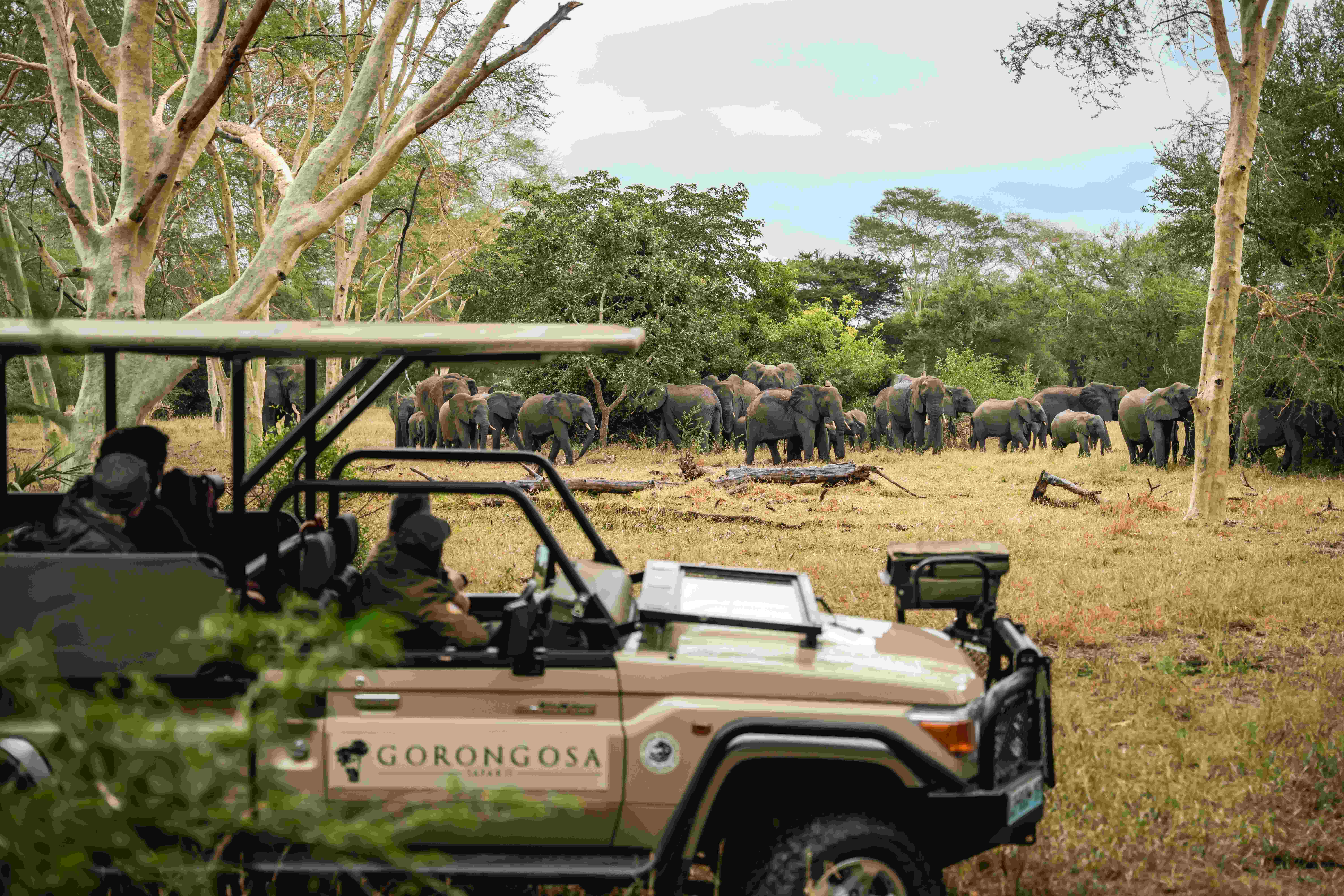
Safari safety is often misunderstood. Wildlife encounters are controlled, structured, and guided by professionals who prioritise safety at all times. National parks and private reserves operate under strict rules regarding vehicle distances, animal behaviour, and guest conduct.
Most safari incidents globally occur when rules are ignored, not when they are followed. Listening to guides, staying in vehicles unless instructed otherwise, and respecting wildlife boundaries ensure a safe and rewarding experience.
In 2026, safari operations are more regulated and professionally run than ever before, making this one of the safest ways to experience Africa.
Beach and Marine Safety
Africa’s coastline offers extraordinary experiences, but marine safety requires awareness. Ocean conditions vary by region and season. Reputable lodges and operators advise guests on safe swimming areas, tides, currents, and weather patterns.
Activities such as snorkelling, diving, dhow sailing, and boat excursions are safest when conducted with licensed operators using proper equipment. Travellers should avoid unsupervised swimming in unfamiliar areas and follow local advice.
When planned correctly, beach destinations in Africa are relaxing and safe environments suitable for families, couples, and older travellers.
Travel Safety in Mozambique
Travel safety in Mozambique in 2026 is best understood through regional context rather than broad assumptions. Mozambique’s main tourism areas such as Vilanculos, the Bazaruto Archipelago, Inhambane, Tofo, and Maputo’s coastal zones are well established and regularly visited by international travellers. When holidays are planned through reputable operators, safety levels are comparable to other popular African beach and safari destinations. Most risks are predictable and relate to road travel, sun exposure, ocean conditions, and access to medical facilities rather than serious crime. Staying in recognised lodges, using organised transfers, and following local guidance significantly reduces exposure to risk.
Modern travel planning has further improved safety outcomes in Mozambique. Many travellers now use safety apps that provide emergency assistance, location sharing, and coordination support if unexpected situations arise. This is particularly valuable when travelling between regions, heading out on boat excursions, or visiting remote coastal or island locations. Combined with specialist itinerary planning, reliable accommodation, and informed pacing, Mozambique offers a safe and comfortable travel environment for couples, families, and older travellers in 2026.
Vilanculos and Bazaruto Archipelago Safety
Vilanculos and the Bazaruto Archipelago remain among Mozambique’s most stable and tourism focused regions. Safety considerations here center mainly on marine conditions, boat transfers, and sun exposure rather than crime. Reputable island operators use licensed skippers, weather monitoring, and structured excursion protocols. Medical access is coordinated via mainland facilities in Vilanculos, and most lodges maintain clear evacuation procedures. Pre arranged transfers and guided activities further reduce logistical risk.
Kruger and Mozambique Cross Border Safety
Kruger and Mozambique combinations are popular in 2026 and generally operate smoothly when transfers are professionally managed. Border crossings such as Lebombo are efficient but require correct documentation and vehicle compliance. The primary risks involve long distance road travel and wildlife areas, not security threats. Using vetted transfer providers, scheduled flights, or guided self drive planning ensures predictable routing, regulated stops, and coordinated support throughout the journey.
Maputo City and Coastal Safety
Maputo functions as Mozambique’s main urban gateway and is considered manageable for visitors who apply standard city awareness. Most travellers stay in established neighborhoods such as Polana and Costa do Sol where hotels provide security and transport coordination. Risks relate more to petty theft and traffic congestion than serious incidents. Using hotel recommended drivers, avoiding isolated areas after dark, and planning airport transfers in advance significantly improves overall safety.
Travel Safety for Families and Older Travellers
Families and older travellers often prioritise safety and comfort. Africa can meet these needs very well when trips are structured appropriately.
Choosing accommodation with medical access, reliable staff, and suitable facilities is essential. Limiting long road transfers, planning rest days, and avoiding rushed itineraries significantly improve comfort and safety.
Many family and multigenerational travellers now use safety apps to provide reassurance when travelling with children or elderly relatives. This combination of planning and technology makes Africa a realistic and rewarding destination for a wide range of travellers in 2026.
Countries and Regions That Are Easiest for First Time Visitors
Certain regions consistently perform well for travel safety due to established tourism infrastructure. Southern Africa, including South Africa, Botswana, Namibia, and Mozambique’s main coastal destinations, remains popular for first time visitors.
East Africa’s safari regions in Kenya and Tanzania are also well established when travel is guided and structured. These destinations offer predictable logistics, experienced operators, and strong support networks.
Safety decreases when travellers venture far off established routes without preparation. Understanding where tourism infrastructure exists is key to safe travel planning.
Why Specialist Planning Still Matters
While information is widely available online, specialist planning remains important in Africa. Local knowledge, seasonal insight, and on the ground relationships allow specialists to anticipate issues before they arise.
Mozambique Travel and similar operators build safety into itineraries through lodge selection, transfer coordination, timing decisions, and contingency planning. This proactive approach reduces risk and increases enjoyment.
In 2026, safety is less about reacting to problems and more about designing trips that avoid them.
Who Africa Travel in 2026 Is Best Suited For
Africa suits travellers who value preparation, flexibility, and awareness. Those who expect fully predictable, rigid travel may find some regions challenging. Those who embrace structured adventure find Africa deeply rewarding.
With realistic expectations and the right support, Africa is not a high risk destination. It is a destination that rewards informed travellers.
Plan Safe Travel in Africa With the Right Support
Travel safety in Africa in 2026 is about smart choices, not avoidance. With experienced planning, reputable operators, and modern safety tools like safety apps, travellers enjoy Africa confidently and comfortably. Mozambique Travel has been planning journeys across Africa for over 20 years, helping travellers balance adventure, comfort, and safety through thoughtful itinerary design and on the ground support. Speak to our specialists to plan a 2026 African journey that is safe, rewarding, and tailored to your travel style.