

The Future of Gorongosa National Park Mozambique
What Lies Ahead for Gorongosa National Park and Conservation in Mozambique?
Discover the future of Gorongosa National Park in Mozambique. Learn how conservation, communities, and safaris shape tomorrow!
The Gorongosa Project has transcended its initial hurdles, emerging as a beacon of ecological restoration and socio-economic development in Mozambique. Once nearly destroyed by war, Gorongosa is now globally recognized as a model for conservation that integrates people and wildlife. The key question is: what lies ahead for Gorongosa National Park Mozambique, and how will national conservation policies influence its trajectory?
The park’s future remains both promising and uncertain. On one hand, ongoing scientific research, habitat restoration, and eco-tourism initiatives continue to attract global attention and investment. On the other hand, climate change poses a real and pressing threat, reshaping rainfall patterns, increasing temperatures, and putting pressure on both ecosystems and local communities. These challenges highlight the urgency of innovative conservation strategies that balance environmental protection with community resilience.
Climate Change, Community Involvement, and the Future of Gorongosa
Gorongosa’s success has always been rooted in its people-first approach. By providing local communities with jobs, education, healthcare, and sustainable agriculture, the park ensures that conservation is not an isolated effort but a shared mission. The future will demand even deeper collaboration, particularly as climate change disrupts farming cycles and intensifies resource competition.
The next decade will likely see Gorongosa expand its reforestation programs, diversify eco-tourism experiences, and strengthen scientific partnerships to combat biodiversity loss. At the same time, national policy shifts in Mozambique will need to safeguard protected areas while offering rural communities alternative livelihoods that reduce dependence on unsustainable practices.
Why Gorongosa’s Future Matters for Mozambique and the World
What happens in Gorongosa has implications far beyond Mozambique. The park’s integrated conservation model could inspire similar approaches across Africa and beyond, especially in countries where wildlife protection must coexist with human development. If Gorongosa succeeds in navigating the twin challenges of climate change and economic growth, it will stand as proof that conservation can thrive in harmony with human progress.

The Future of Gorongosa National Park in Mozambique
Gorongosa National Park management are constantly planning ahead and preparing for an uncertain future. No one can predict exactly what lies in store for Gorongosa Mozambique and conservation in Mozambique, yet its achievements to date are already remarkable. By reframing the park as a human development engine, the Gorongosa Restoration Project has not only boosted wildlife conservation but also uplifted surrounding communities. Health services, agricultural initiatives, and education programs have created long-term benefits that showcase how conservation and people can thrive together. This collaboration between the Mozambican government and private funding has demonstrated what is possible in just a few years.
Expanding Protected Areas and Biodiversity Safeguards
Looking forward, the Gorongosa Restoration Project, in partnership with the Rainforest Trust, is establishing new protected zones covering tropical rainforests, savannas, and grasslands. This expansion will safeguard rich biodiversity, from African wild dogs and elephants to lions and hippos. At the same time, a Marine Protected Area and vast mangrove systems will preserve essential habitats for bird species such as the Grey-crowned Crane, Wattled Crane, Southern Ground-hornbill, and Great White Pelicans. The project positions Gorongosa as a cornerstone of Mozambique’s conservation landscape.
Climate Change, Global Policy, and Gorongosa’s Future
These initiatives align with the United Nations Decade on Restoration launched in 2021. The vision is to integrate Gorongosa National Park into a broad network of protected areas and sustainable economic zones covering more than 19,000 square kilometers. This bold plan emphasizes carbon sequestration, climate adaptation, and resilience to increasing droughts, stronger cyclones, and shifts in rainfall patterns. The ability of Gorongosa to withstand these challenges will determine its success as a global conservation model and as a sustainable community-driven development hub.s.
Empowered Communities Ensure the Future of Gorongosa Mozambique
The future of Gorongosa National Park is intrinsically linked to the well-being and involvement of the local people who live here. As one of Africa’s most celebrated success stories – which would never have happened without the involvement of empowered communities – Gorongosa Park is in the spotlight and relies on a holistic approach that involves and empowers the surrounding villagers. Education is essential and the power of knowledge nurtures a sense of ownership and responsibility among residents. This equips individuals with valuable skills and raises awareness about the importance of preserving their natural heritage – local communities become advocates for conservation, working hand in hand with park authorities to protect this unique ecosystem.

Empowered communities are healthier communities and the bottom line for sustainable development is to meet the basic needs of people living nearby. Improved healthcare services, access to clean water, and initiatives to combat diseases like malaria have not only improved the quality of life for residents but also reduced the pressures on the park’s resources. Healthy communities are better positioned to support conservation efforts and coexist harmoniously with wildlife.
New economic opportunities for residents on the boundary of Gorongosa Park are reducing their dependency on activities that could harm the park, such as illegal poaching or unsustainable resource extraction. Initiatives like agricultural programs on Mount Gorongosa, tourism-related employment, and craft cooperatives have provided viable alternatives that benefit both communities and the park.
The Gorongosa Restoration Project recognizes the cultural heritage of the local communities and works to ensure that their traditions are respected and celebrated – this strengthens the bond between communities and the park, enriching the overall conservation experience.
Wildlife Numbers in Gorongosa Park are Increasing Considerably
The proof is in the pudding – five years without one elephant dying at the hands of poachers and two years free of any lion poaching or ensnarement in traps means that Gorongosa National Park conservation efforts have defied the odds. Ángelo Levi, the head of the Department of Conservation in the National Park, shared this uplifting news in Maputo in 2022 during a discussion themed “The Challenges of Conservation of Animal and Forest Life.”
Such extraordinary success stories depend on robust wildlife law enforcement and heightened awareness among local communities, particularly those in the buffer zone. Gorongosa National Park is a rare conservation treasure, poised for further expansion and protection but as external pressures from poaching and development loom, the call to action is clear: expand protection for this ecological jewel by over 1 million acres.

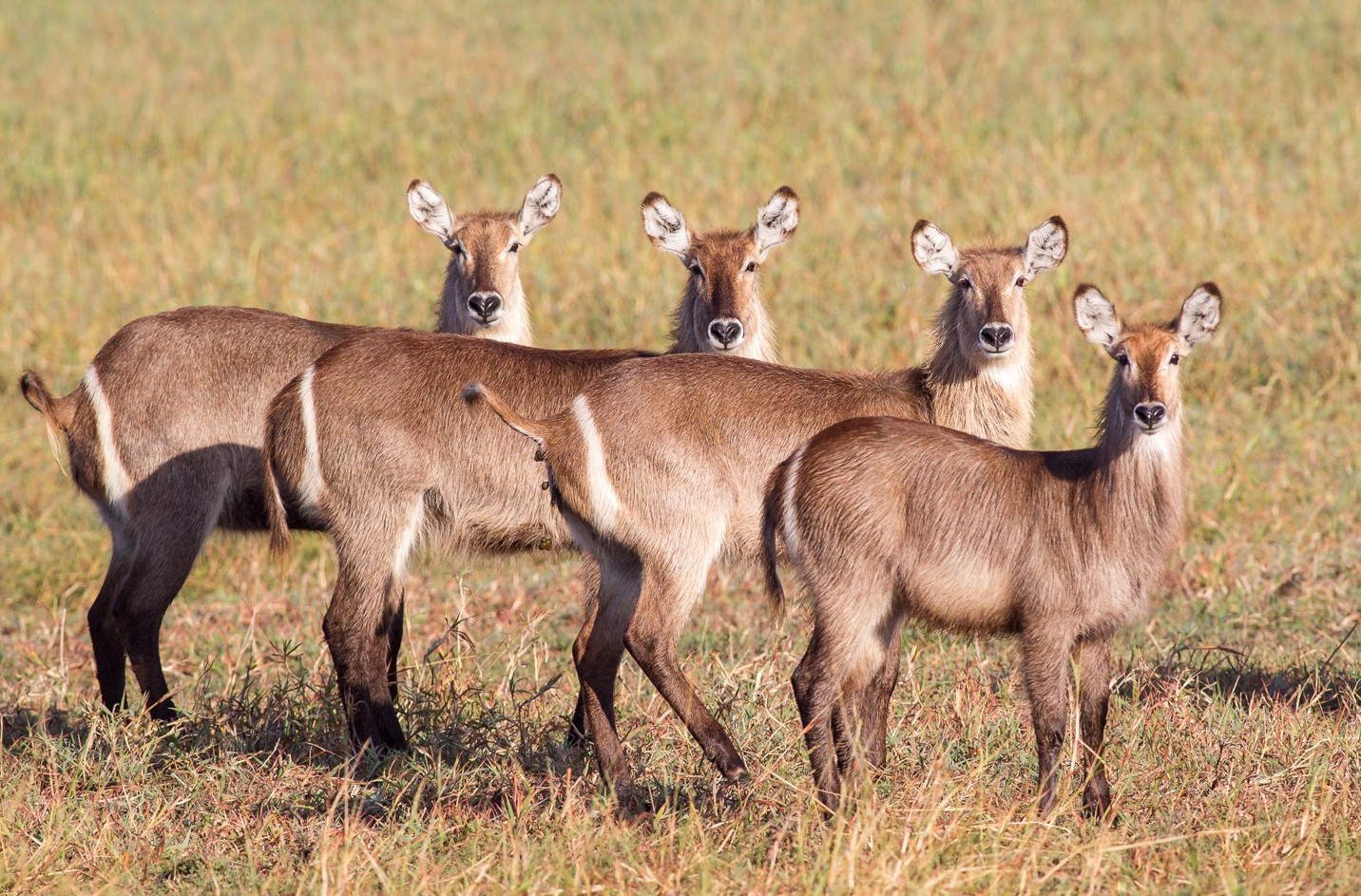
Elephants are making a triumphant return to this Mozambique sanctuary with numbers steadily rising as they roam free. Lions have managed to breed and build their prides without any translocations or human assistance thanks to the increase in their herbivore prey. Herds of herbivores were relocated from other conservation enclaves in South Africa and are thriving in their new Mozambique habitat.
Birdsong fills the air, as avian populations soar to new heights while even the elusive pangolins make more frequent appearances. As the natural world reclaims its territory, it serves as a testament to the indomitable spirit of nature and effective collaborative ecotourism and scientific management methods in Gorongosa Mozambique.
What are the Threats to Gorongosa’ s Future?
Financial sustainability remains a challenge for Gorongosa National Park Mozambique, one of its many threats in the day and age of environmental and political flux. Fortunately, the Gorongosa Restoration Project’s financial model is innovative and adaptive, setting an example for others to follow.
It is very important to mitigate threats with positive action and Princeton ecologist, Robert Pringle, highlights several pillars of success in upgrading and expanding protected areas. These include having long-term and local goals, finding creative financial strategies, understanding biodiversity, being adaptable, and involving young people. All parties need to work together to form a barrier to possible threats.
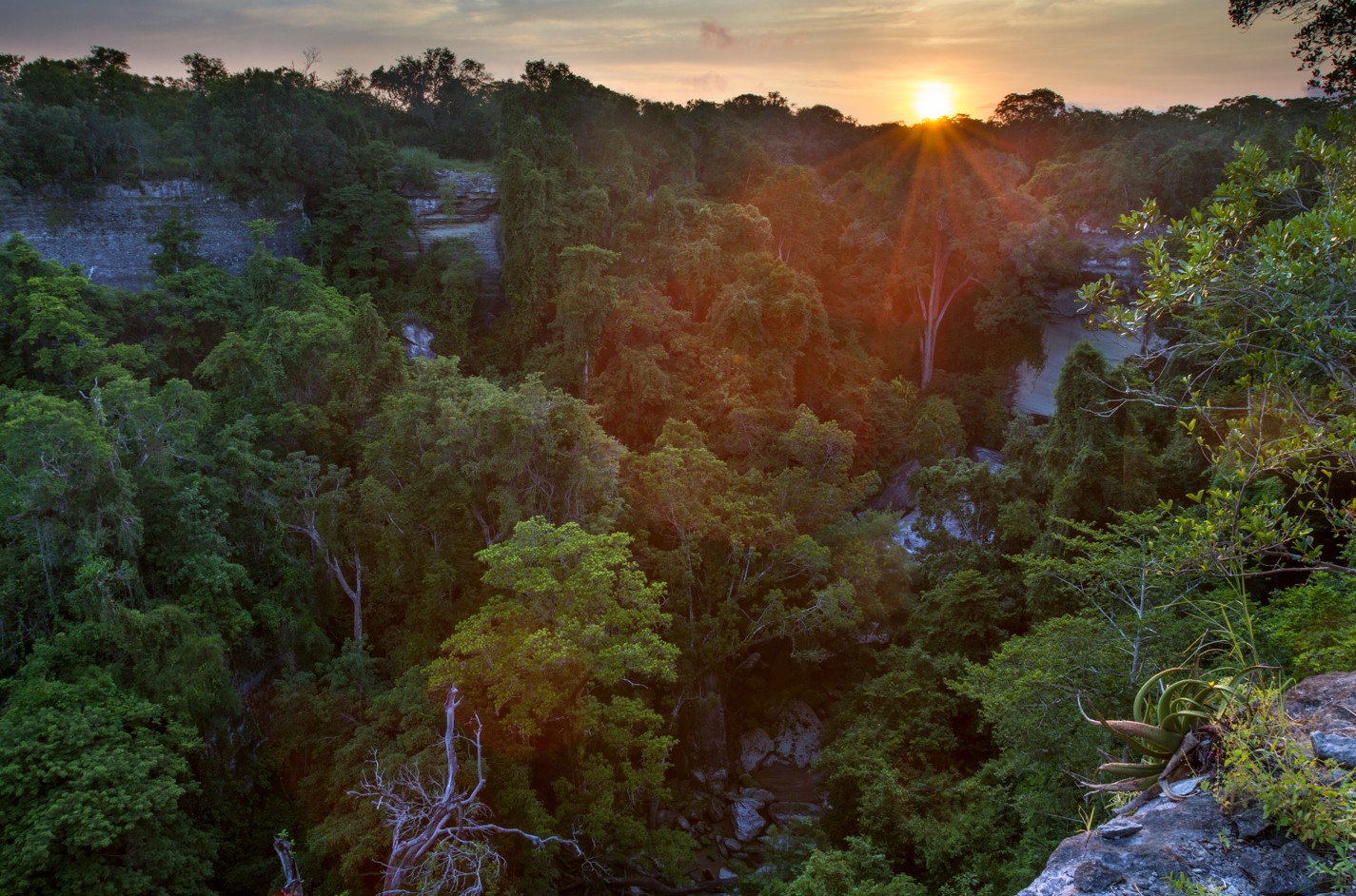
The Ongoing Challenges Facing Gorongosa National Park
Gorongosa’s success story is awe-inspiring, yet significant challenges still loom on the horizon. Climate change and large-scale developments, such as oil drilling and livestock grazing, threaten protected areas across East Africa, including Mozambique. These parks are not only havens for flora and fauna but also vital carbon sinks, helping to combat global warming. They stand as a testament to Mozambique’s conservation efforts and the financial commitments of government and private investors. However, when African governments pursue ambitious development projects funded by foreign investment, the resulting pressure on ecosystems intensifies, creating serious risks for Gorongosa’s long-term future.
Key Threats to Gorongosa’s Future
Poaching: The continuing global demand for ivory and wildlife products drives illegal poaching, endangering elephants and other species.
Habitat Destruction: Mozambique’s growing population increases pressure on land use, leading to deforestation, expanding agriculture, and infrastructure development that strain delicate ecosystems.
Climate Change: Rising temperatures, altered rainfall patterns, and more frequent extreme weather events disrupt the park’s fragile balance of biodiversity.
Invasive Species: Non-native species, such as water hyacinth and certain fish, threaten waterways and undermine Gorongosa’s natural systems.
Community Engagement: Balancing the protection of wildlife with the needs of local residents remains a challenge, yet education programs and sustainable development initiatives show promise in bridging the gap.
Funding and Resources: Anti-poaching patrols, conservation projects, and scientific research depend on consistent financial backing to secure Gorongosa’s survival for generations to come.
Reasons for Optimism in Mozambique Conservation
Despite these looming threats, there is still hope for Gorongosa and for Mozambique’s broader conservation efforts. The park’s strong partnerships, innovative restoration strategies, and community-first programs create a foundation of resilience. By investing in sustainable livelihoods and continuing international collaborations, Gorongosa is positioning itself as a model for conservation across Africa. If these initiatives succeed, the park can withstand external pressures and continue to thrive as one of the continent’s most remarkable restoration success stories.
Greater Buffer Zones and New Conservation Areas for Gorongosa National Park
As we look forward to 2024, exciting developments are on the horizon for Gorongosa, with plans to expand buffer zones and create new conservation areas that will further secure the park’s ecological future. Gorongosa National Park is a living testament to the power of scientific and community-based conservation and the potential for nature’s recovery.
One of the key future initiatives for Gorongosa is the expansion of its buffer zones which play a crucial role in safeguarding the park’s core areas from external threats. This will ensure that human activities on the park’s periphery have minimal impact on its pristine interiors. This expansion not only secures crucial habitats but also allows for greater coexistence between wildlife and local communities.
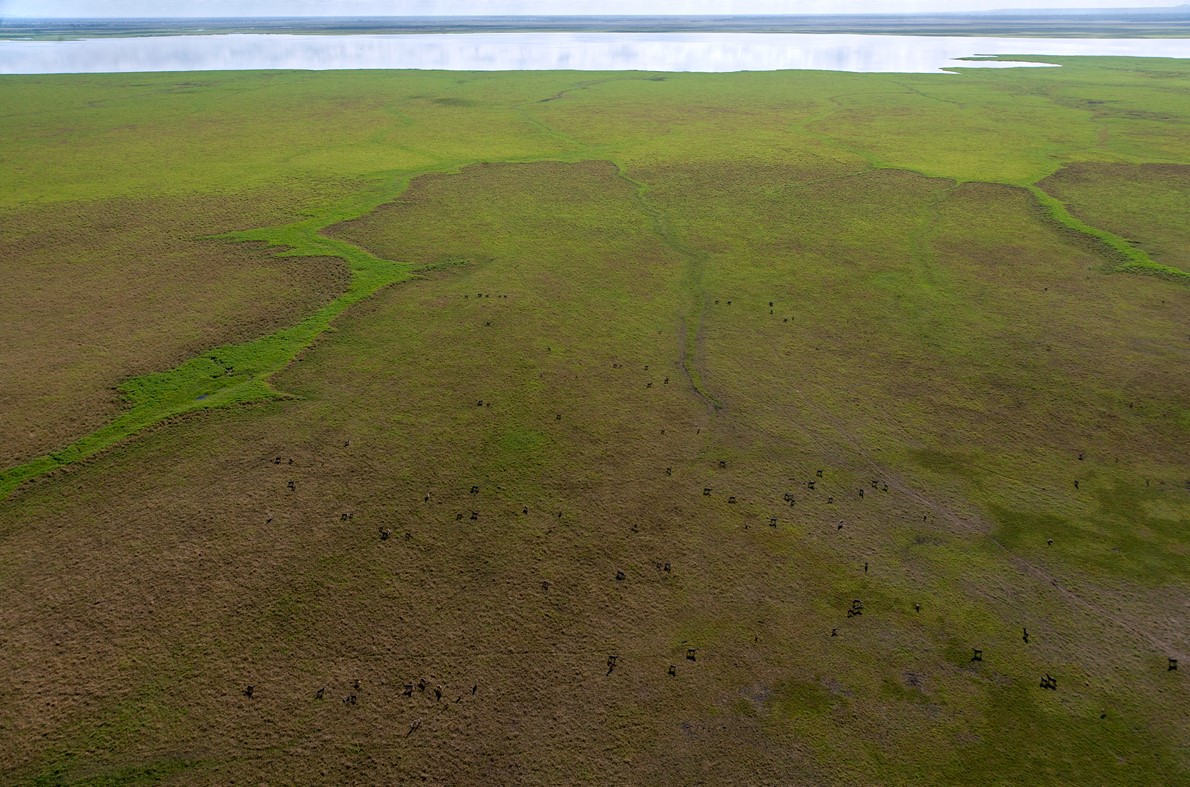
Another exciting development is the creation of new conservation areas within the broader Gorongosa landscape encompassing a range of ecosystems, from tropical rainforests to savannas and grasslands. The big news is that Gorongosa Park plans to establish a new Marine Protected Area and protect over 50,000 acres of mangroves and the rich aquatic biodiversity in the region, including a rich birdlife. These new goals reflect a long-term vision to connect Gorongosa to the Greater Gorongosa-Marromeu Landscape in a larger network of protected areas. This will not only offer sanctuary to endangered species but also serve as a vital tool for combating climate change by sequestering carbon and enhancing climate resilience.
Integral to Gorongosa’s success is its commitment to research and education – ongoing studies, led by dedicated scientists and researchers, provide essential insights into the park’s ecology and educational programs engage local communities, instilling a sense of pride and responsibility for this natural treasure.
As we look ahead to 2024 and beyond, Gorongosa National Park Mozambique stands as a shining example of what can be achieved through dedicated conservation efforts and the support of local communities. The expansion of buffer zones and the creation of new conservation areas stress the park’s commitment to protecting its natural heritage. To safeguard these vital ecosystems, conservationists employ more intensive park management, the removal of fences hindering species’ migration, and financial support for communities surrounding national parks.
Ultimately, a paradigm shift is needed where wildlife and people coexist harmoniously. The separation of wildlife from communities is an outdated narrative and now sustainable development places the well-being of communities as central to conservation efforts in Gorongosa Mozambique.
2025 Milestones and Progress at Gorongosa National Park
In 2025, Gorongosa National Park reached several important milestones that highlight its role as one of Africa’s leading conservation success stories. A major wildlife survey confirmed the presence of more than 110,000 large animals, a symbol of the park’s incredible recovery since the end of the civil war. Anti-poaching operations expanded with new ranger training programs, advanced surveillance systems, and the removal of hundreds of snares, reinforcing protection for elephants, lions, and wild dogs. Conservation infrastructure grew with additional ranger outposts and community engagement centers, strengthening collaboration with surrounding villages. The Gorongosa Restoration Project also earned global recognition for its achievements in biodiversity and human development, showcasing how conservation can drive education, healthcare, and sustainable agriculture. With international attention and stronger community partnerships, Gorongosa in 2025 stands as a model for climate resilience and eco-tourism in Mozambique.
Plan Your Journey to Gorongosa with Mozambique Travel
Gorongosa National Park is more than a safari destination, it is a living success story of restoration and conservation. Visitors who choose Gorongosa experience not only thrilling game drives and diverse wildlife, but also the chance to support community initiatives and sustainable tourism in Mozambique. At Mozambique Travel, we have been helping travelers discover Africa for over 20 years, offering expert knowledge, personalized advice, and seamless booking services. From flights and transfers to lodge reservations and guided tours, we arrange every detail so your journey is stress-free. Trust our experience and passion for Mozambique to ensure your safari contributes to conservation while giving you unforgettable memories. Book your Gorongosa adventure today and be part of this inspiring story of nature and people thriving together.